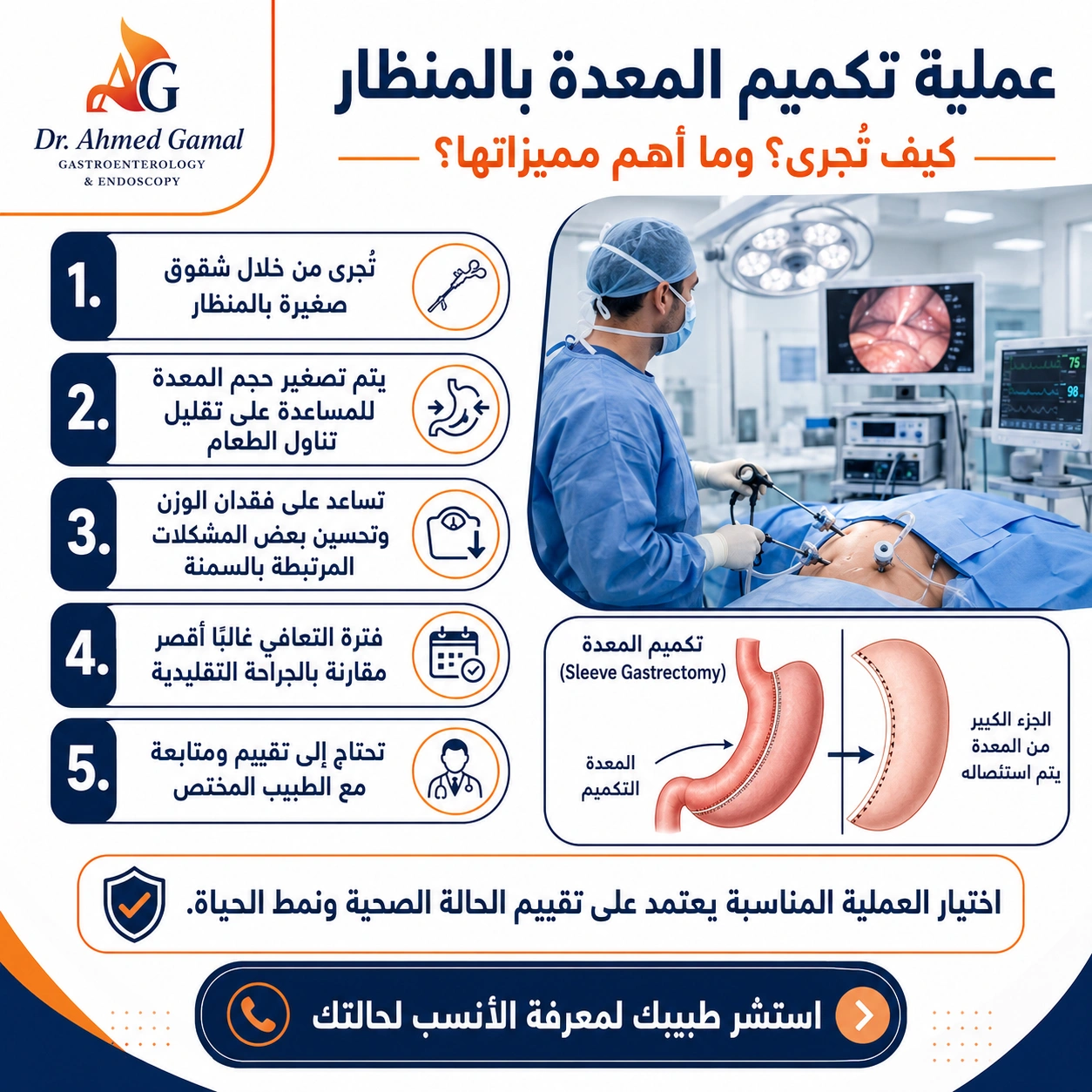
10 Reasons to Have an Upper Endoscopy
Understanding the 10 reasons to have an upper endoscopy can help when persistent heartburn, upper abdominal pain, vomiting, or swallowing difficulty needs a closer look. At Dr Ahmed Gamal's clinics, the decision is based on symptoms and medical history because gastroscopy can directly examine the esophagus, stomach, and duodenum, obtain biopsies, and sometimes provide treatment.
10 reasons to have an upper endoscopy
Endoscopy is not required for every mild digestive symptom. It becomes valuable when direct visualization, a biopsy, or endoscopic treatment could change care.
1. Difficulty or pain when swallowing
Gastroscopy can identify inflammation, narrowing, or another structural cause and may allow treatment of selected strictures.
2. Suspected upper gastrointestinal bleeding
Vomiting blood, black stools, or unexplained anemia may require urgent assessment. Endoscopy can locate bleeding and sometimes treat it during the same procedure.
3. Persistent upper abdominal pain
When pain persists despite treatment or occurs with weight loss, vomiting, or anemia, endoscopy may help identify ulcers, inflammation, or another cause. Learn about GI tumor detection and polyp removal.
4. Reflux that does not improve
Persistent reflux may require assessment for esophagitis, narrowing, or Barrett's esophagus. Suitable patients may also discuss ARMA or GERDx after full evaluation.
5. Recurrent vomiting or persistent nausea
Endoscopy may help look for severe inflammation, an ulcer, or gastric outlet obstruction. Other tests can still be needed because symptoms alone do not establish a diagnosis.
6. Unexplained iron deficiency anemia
Slow blood loss from the upper digestive tract is one possibility. Depending on age, symptoms, and test results, a doctor may also recommend colonoscopy.
7. Suspected ulcer or gastritis
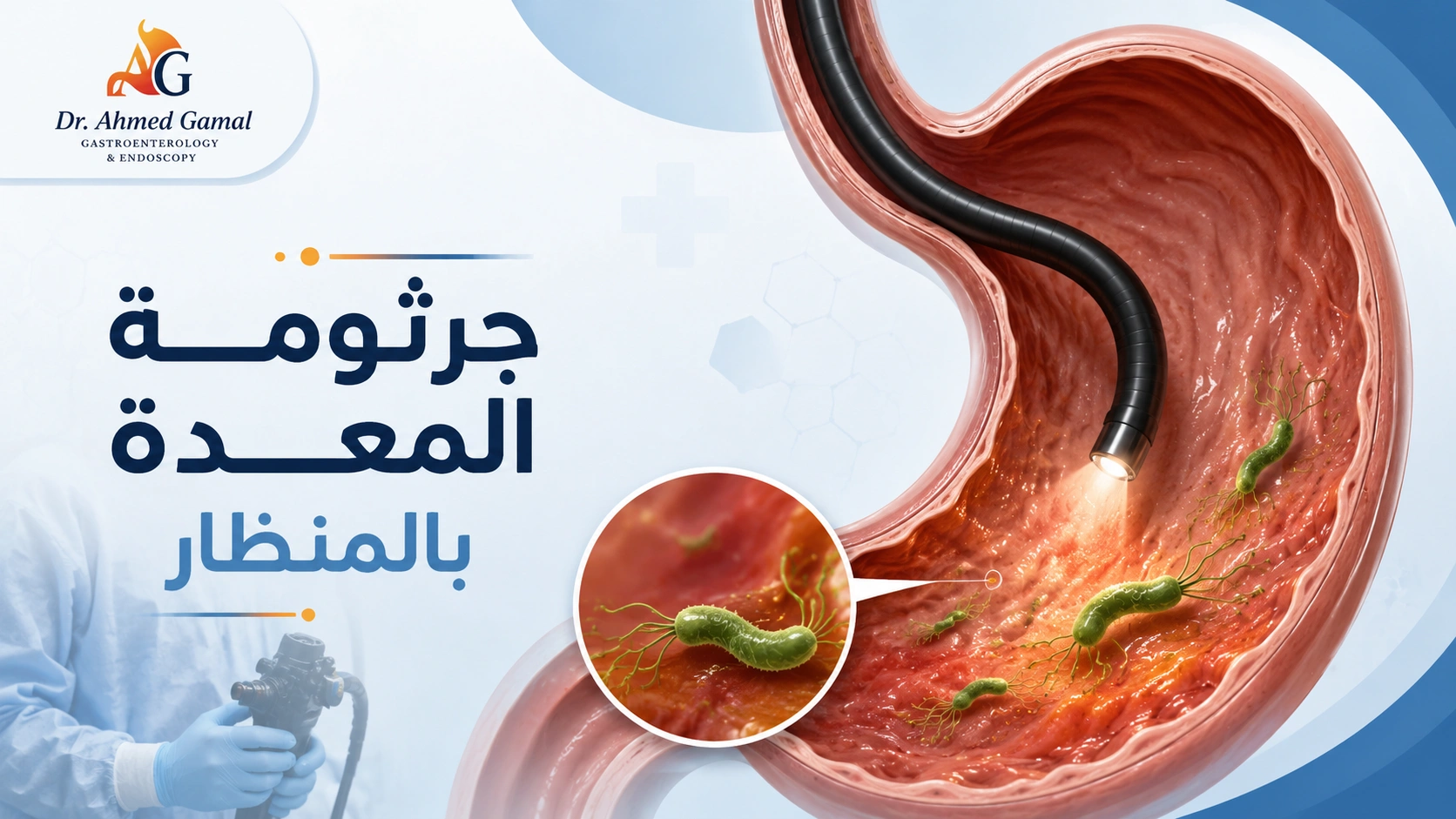
Gastroscopy shows the stomach lining and permits biopsy for H. pylori or other changes. Taking a biopsy does not automatically mean that cancer is suspected.
8. Surveillance of a known condition
Some patients need planned follow-up for Barrett's esophagus, complicated ulcers, or precancerous changes. The interval depends on pathology results and individual risk.
9. A swallowed foreign body or food blockage
Endoscopy can remove selected foreign bodies or impacted food. Inability to swallow saliva or breathing difficulty requires emergency care.
10. Endoscopic treatment
Endoscopy can stop bleeding, remove polyps, or dilate a narrowing. It is also used in selected weight-management procedures such as the gastric balloon, while the gastric capsule suits other assessed patients.
Preparing safely
- Tell your doctor about medicines, allergies, and chronic conditions.
- Follow the fasting time given by the clinical team.
- Do not stop blood thinners or diabetes medicines on your own.
- Arrange an escort if sedation will be used.
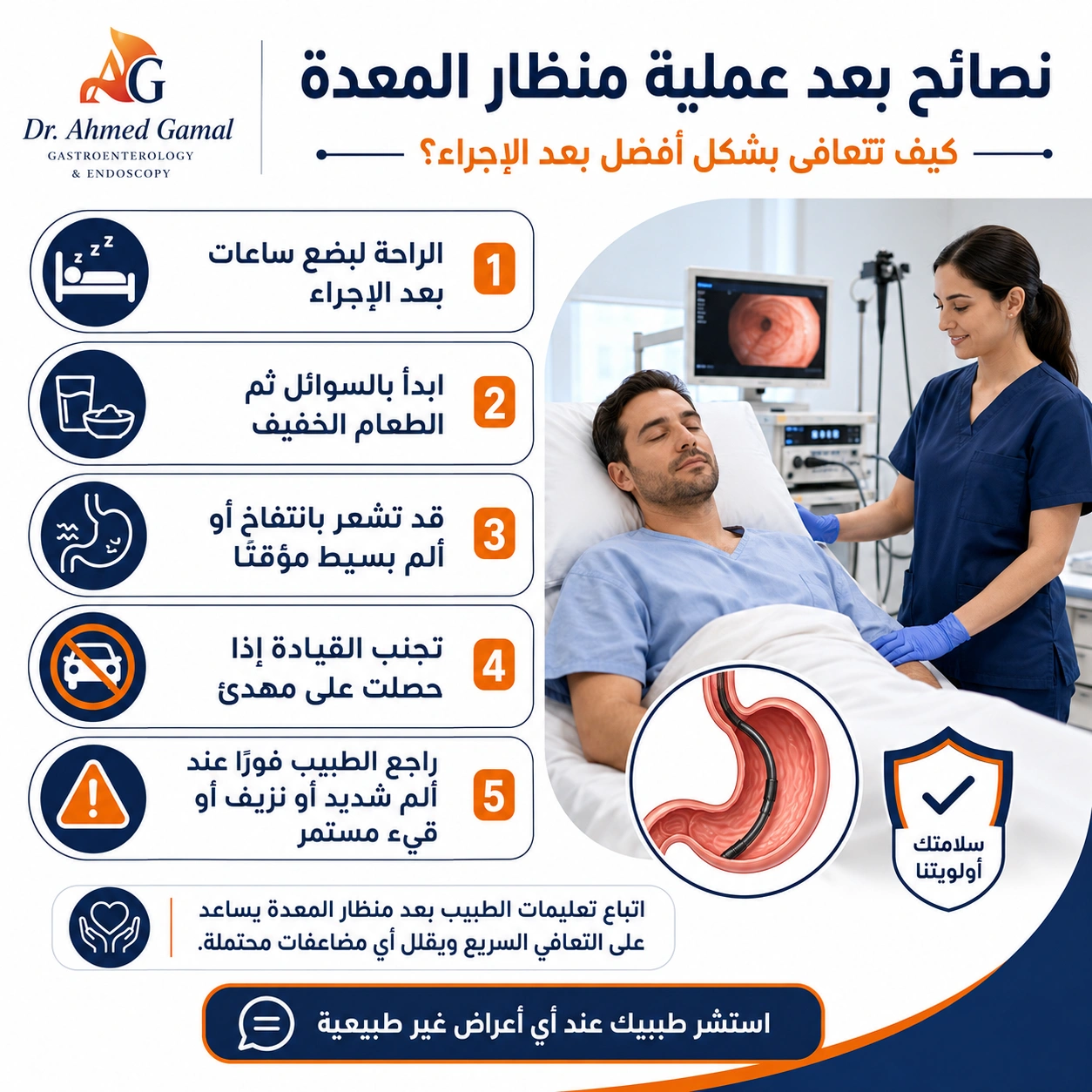
- Ask when you can eat, work, and drive again.
Explore all gastroenterology and endoscopy services, Dr Ahmed Gamal's experience, educational videos, and clinic photos. You can also contact the clinic to choose the most convenient branch.

When to seek urgent help
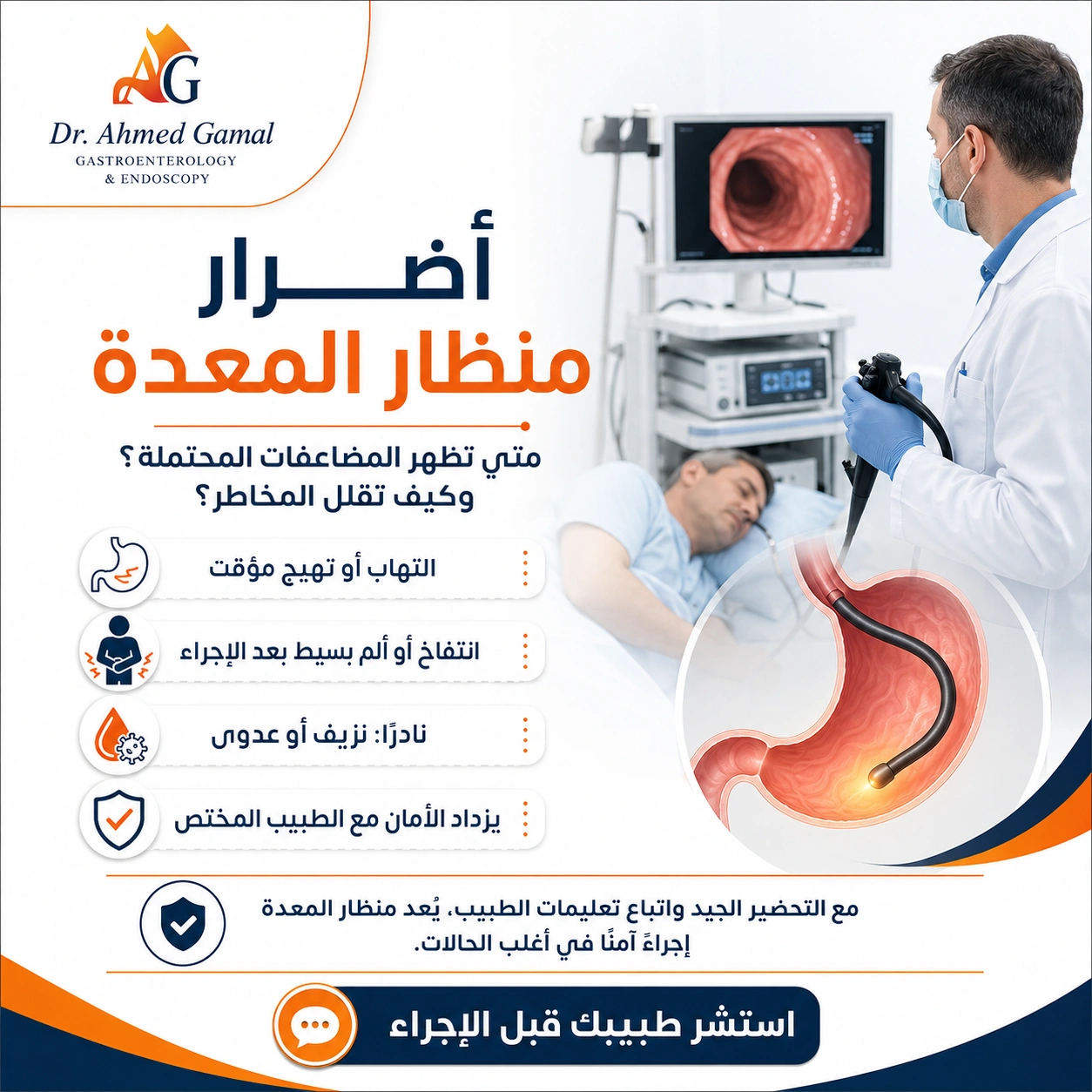
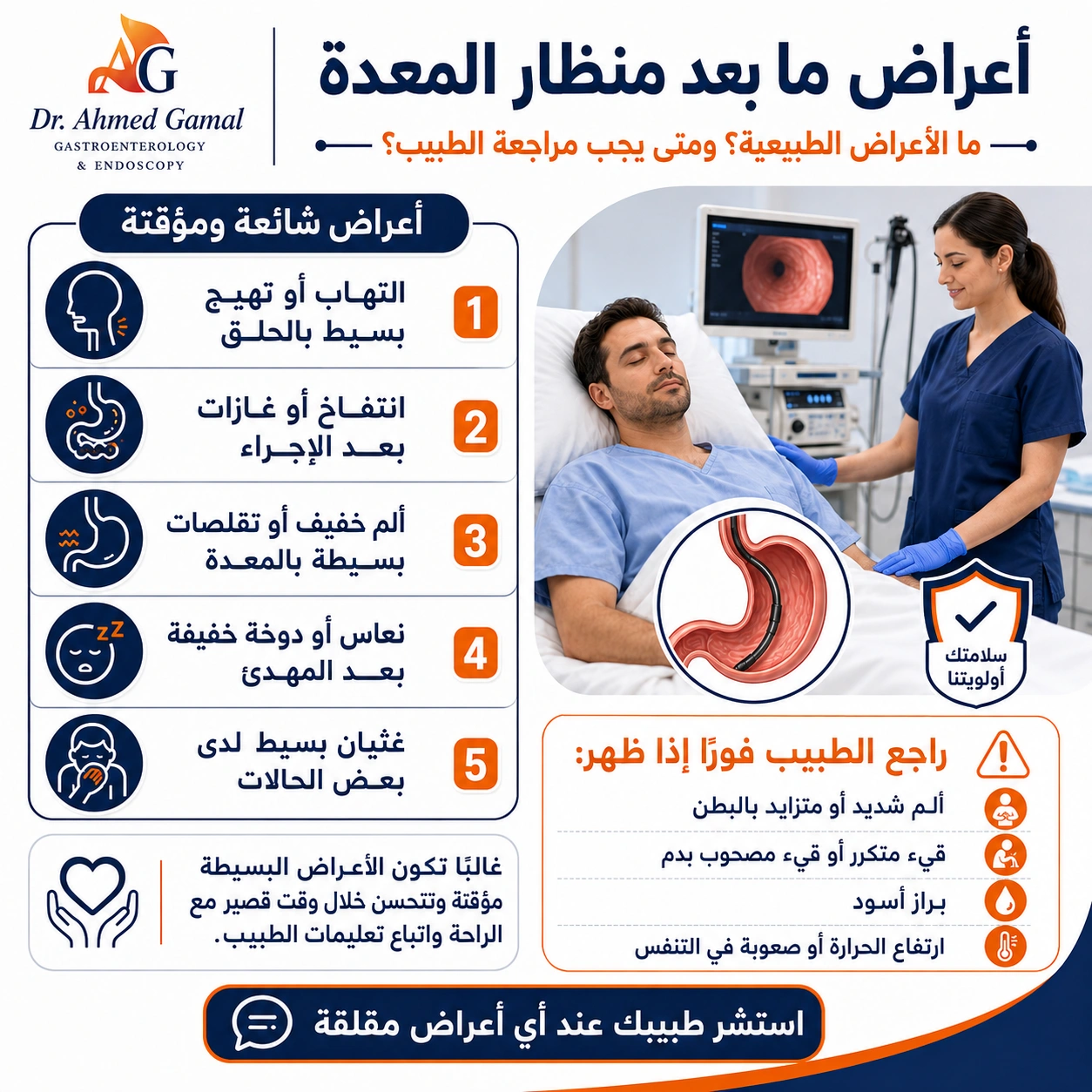
Seek urgent care for vomiting blood, black stools, severe dizziness, chest pain, breathing difficulty, or sudden severe abdominal pain. Persistent symptoms without emergency signs can be assessed in clinic so the doctor can choose the most appropriate test.
Frequently asked questions
Is gastroscopy painful?
It is commonly performed with throat numbing medicine or sedation, depending on the case. Temporary mild discomfort is possible.
How long does it take?
The diagnostic examination is usually brief, though preparation and recovery add time at the center.
Does every case of heartburn need endoscopy?
No. The decision depends on age, symptom duration, response to treatment, and alarm features.
Can a biopsy be taken?
Yes. A small biopsy can check for inflammation, H. pylori, or other changes.
Can I drive afterward?
If sedation was used, do not drive that day and follow the clinical team's instructions.
Other Articles