Best Gastroenterologist in Heliopolis, Egypt 2026
Choosing a gastroenterologist in Heliopolis should start with the patient’s symptoms and the doctor’s relevant experience, rather than a single online rating. A suitable specialist can assess problems affecting the oesophagus, stomach, bowel, liver, gallbladder and pancreas, then decide whether blood tests, imaging, medication or endoscopy is actually needed. Dr Ahmed Gamal provides gastroenterology, hepatology and digestive endoscopy assessment for patients in Heliopolis and nearby Nasr City.
How to choose a gastroenterologist in Heliopolis
The best choice for one patient may not be the best choice for another. Recurrent reflux, bowel bleeding, liver disease and a need for therapeutic endoscopy require different skills. Look for a specialist who takes a detailed history, examines previous reports, explains the likely causes, and orders tests only when the result will influence treatment.
Useful selection criteria include recognised training in gastroenterology and hepatology, experience in diagnostic and therapeutic endoscopy, clear communication, access to appropriate facilities, and a practical follow-up plan. Location also matters for patients who need repeated visits or post-procedure review.
About Dr Ahmed Gamal
Dr Ahmed Gamal is a consultant in gastroenterology, hepatology and digestive endoscopy, with experience in liver transplantation care. His clinical work includes evaluation of stomach and bowel symptoms, liver disorders, gastroesophageal reflux, and endoscopic diagnosis and treatment. An individual consultation is still necessary because credentials alone cannot determine the right investigation or treatment for a particular patient.
Conditions assessed by a gastroenterologist
A gastroenterology consultation may help with persistent heartburn, difficulty swallowing, upper abdominal pain, nausea, vomiting, bloating, chronic diarrhoea, constipation, a change in bowel habit, rectal bleeding, unexplained anaemia, jaundice or abnormal liver tests.
Common conditions include GERD, gastritis, peptic ulcer disease, Helicobacter pylori infection, irritable bowel syndrome, inflammatory bowel disease, fatty liver disease, cirrhosis, gallstone-related problems, bile duct obstruction, and polyps or tumours of the digestive tract. Similar symptoms can have different causes, so online information cannot replace diagnosis.
When symptoms need urgent attention
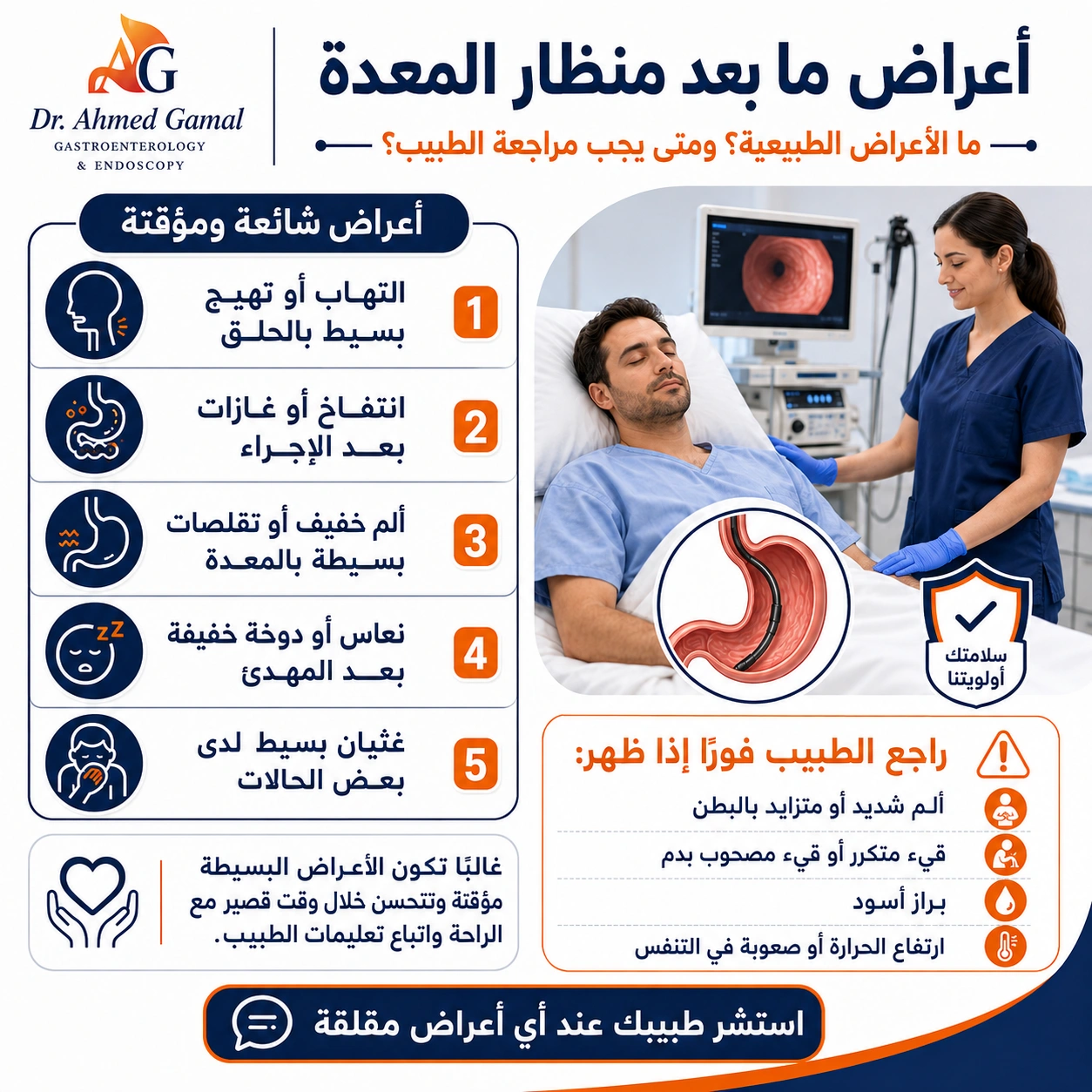
Seek urgent medical care for vomiting blood, black stools, heavy rectal bleeding, severe or increasing abdominal pain, persistent vomiting, inability to swallow liquids, sudden jaundice, fainting, or confusion in a person with liver disease. Severe chest pain with shortness of breath, sweating, or pain spreading to the arm or jaw should be assessed as an emergency because it may be cardiac rather than digestive.
How digestive symptoms are investigated
The doctor usually begins with the timing and pattern of symptoms, medication use, diet, weight changes, previous operations, family history and examination. Depending on the findings, useful tests may include a blood count, liver and kidney tests, stool analysis, H. pylori testing, abdominal ultrasound, CT or MRI, and selected endoscopic tests.
An experienced specialist avoids requesting every available test. The aim is to choose the investigation most likely to answer a specific clinical question.
When gastroscopy may be needed
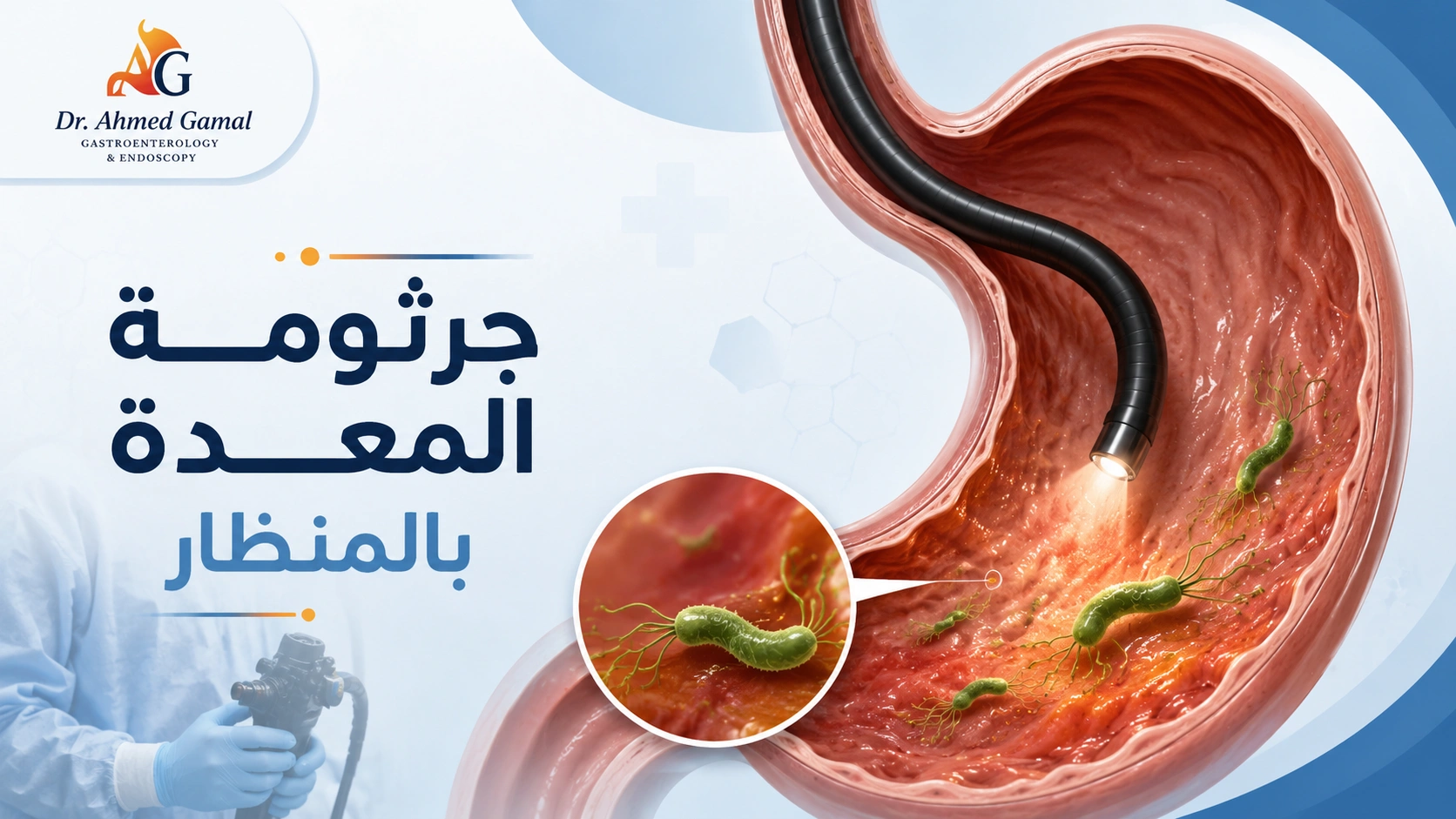
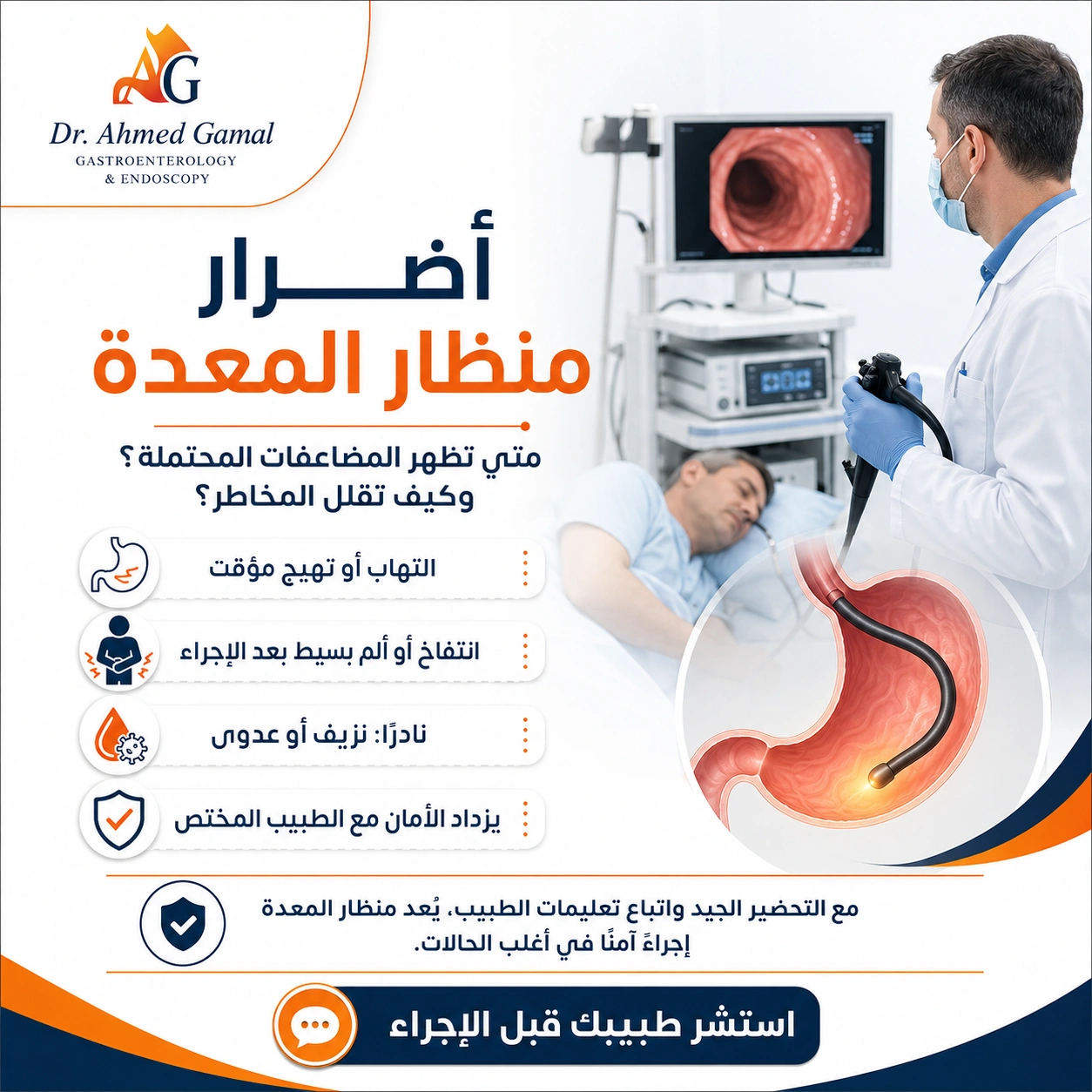
Gastroscopy examines the oesophagus, stomach and duodenum with a flexible camera. It may be recommended for progressive swallowing difficulty, gastrointestinal bleeding, unexplained iron-deficiency anaemia, persistent vomiting, weight loss, suspected ulcer disease, or upper digestive symptoms with warning features. It can also obtain biopsies and perform some treatments.
When colonoscopy may be needed
Colonoscopy allows examination of the large bowel and removal of many polyps. It may be considered for blood in the stool, persistent change in bowel habit, chronic unexplained diarrhoea, iron-deficiency anaemia, inflammatory bowel disease follow-up, or colorectal cancer screening according to age, family history and risk.
Not every person with constipation or irritable bowel symptoms needs a colonoscopy. The decision depends on age, duration, examination and warning signs.
GERD assessment and treatment
GERD care commonly begins with meal timing, weight management when relevant, avoiding late meals, smoking cessation and correctly timed acid-suppressing medication. Endoscopy is indicated when warning features are present or when the result may change management.
Some patients with confirmed reflux may need pH monitoring or oesophageal manometry. Selected patients may discuss endoscopic anti-reflux procedures such as ARMA or GERDx, while others may be better served by continued medication or surgery. A large hiatus hernia generally requires a different approach because an endoscopic procedure does not repair the diaphragm.
Liver and biliary care
A gastroenterologist with hepatology experience can evaluate fatty liver, viral or autoimmune liver disease, abnormal enzymes, cirrhosis and its complications. Assessment may include blood tests, ultrasound and fibrosis measurement. Patients with advanced liver disease need a structured monitoring plan rather than unverified “liver detox” products, which can cause harm or interact with medication.
You can review the clinic’s digestive and liver services, including biliary endoscopy and treatment pathways, before arranging a visit.
Preparing for your appointment
Bring previous laboratory results, scans, endoscopy reports and a list of all medicines and supplements. Note when symptoms began, what makes them better or worse, whether they relate to food, and whether there has been weight loss, bleeding or a family history of digestive cancer. Do not stop prescribed medicines, especially blood thinners, diabetes or blood pressure treatments, unless the treating team gives specific instructions.
Clinic location and booking
The Heliopolis/Nasr City clinic is listed at Emerald Clinic, 54 Abdel Azim El Wazir Street, off El Nozha Street, near the Air Defense House, first floor. Appointment schedules can change, so confirm the current time before travelling. For booking, call 01011295366 or use WhatsApp.
Why follow-up matters
Follow-up confirms whether treatment is working and whether test results require a change in the plan. It is especially useful after H. pylori treatment, therapeutic endoscopy, severe oesophagitis, inflammatory bowel disease, chronic liver disease, cirrhosis, Barrett’s oesophagus, colon polyps, unexplained anaemia or weight loss.
This page is for general education and does not replace an individual medical assessment.
Frequently asked questions
What is the difference between an internist and a gastroenterologist?
An internist treats a broad range of adult illnesses. A gastroenterologist has additional focus on the digestive tract, liver, pancreas, bile ducts and endoscopic procedures.
Does irritable bowel syndrome always require colonoscopy?
No. Many patients can be assessed clinically. Colonoscopy may be considered when warning features are present, symptoms begin later in life, or screening is due.
Can H. pylori be diagnosed without endoscopy?
Often yes. A breath test or stool antigen test may be suitable. Endoscopy is considered according to age, symptoms, previous treatment and warning signs.
Is gastroscopy painful?
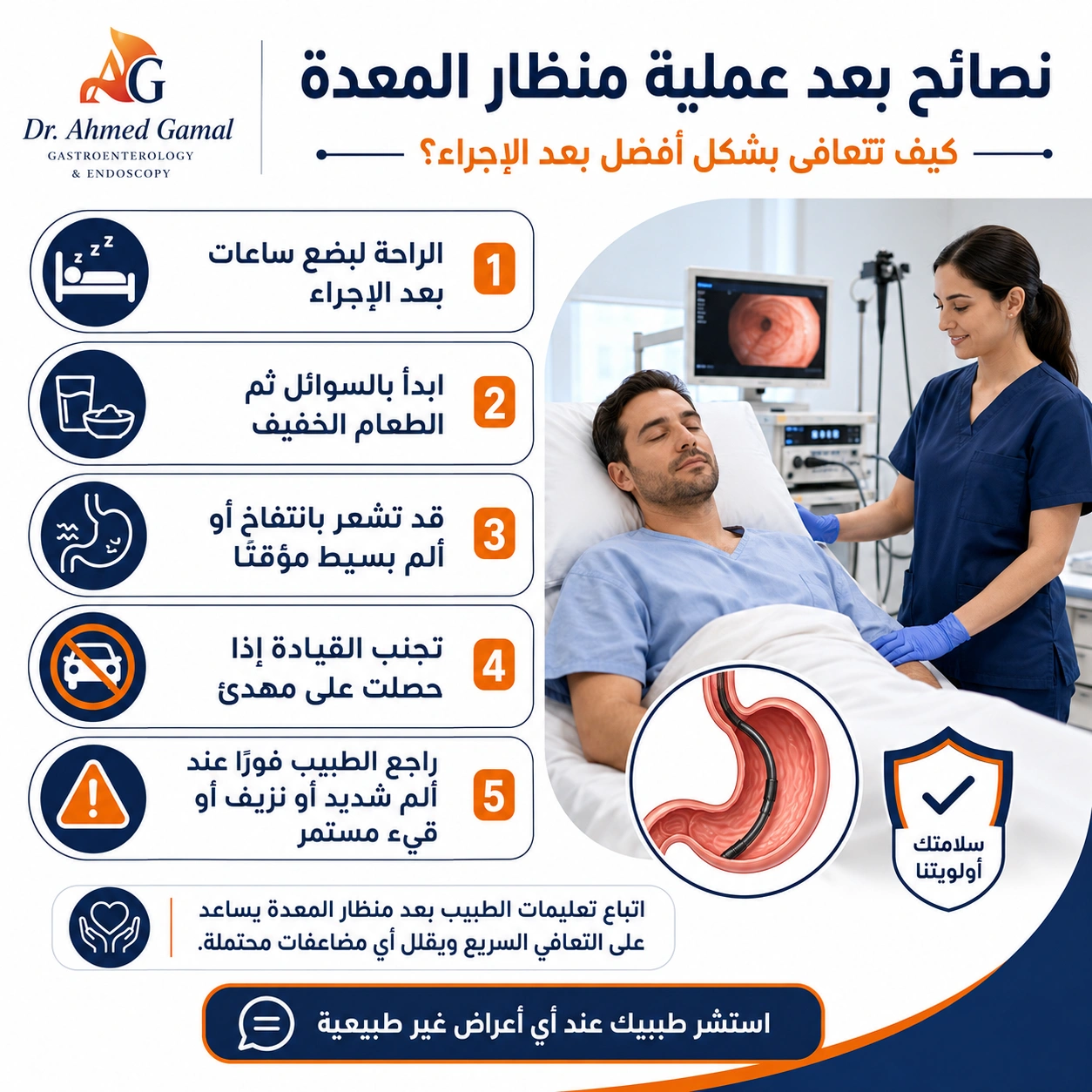
Gastroscopy is commonly performed with throat anaesthesia and/or sedation according to the patient and facility. The team explains fasting, medication and recovery instructions in advance.
How can I book with Dr Ahmed Gamal?
Call 01011295366 or send a WhatsApp message. Confirm the clinic location and current appointment time before travelling.
Other Articles