Best GERD Doctor in Cairo for the Diagnosis and Treatment of Heartburn
Searching for the best GERD doctor in Cairo usually means you want more than temporary relief from heartburn. The right gastroenterologist should identify whether your symptoms are truly caused by gastroesophageal reflux disease, look for warning signs, explain which tests are useful, and build a treatment plan that fits your health and daily routine. Dr Ahmed Gamal provides gastroenterology and endoscopy assessment for patients with recurrent reflux, regurgitation, swallowing difficulty, and related digestive symptoms.
How to choose a GERD doctor in Cairo
No single doctor can be described as the best for every patient. A useful choice depends on the doctor's specialty, experience with your type of symptoms, access to appropriate testing, clear communication, and reliable follow-up. Look for a gastroenterologist who does not assume every chest or throat symptom is reflux and who considers other possible causes.
- Training in gastroenterology, liver disease, and digestive endoscopy.
- A structured review of symptoms, medicines, diet, weight, smoking, and previous treatment.
- Clear criteria for when gastroscopy, pH monitoring, or manometry is needed.
- Discussion of benefits, limitations, costs, and alternatives before any procedure.
- A follow-up plan to assess response rather than indefinite medicine use.
What is GERD?
GERD develops when stomach contents repeatedly flow back into the esophagus and cause troublesome symptoms or complications. Occasional reflux after a large meal is common, but recurrent heartburn, regurgitation, disturbed sleep, inflammation, or swallowing problems deserve medical assessment.
Common reflux symptoms
- Burning behind the breastbone, particularly after meals.
- Food or sour liquid coming back into the mouth.
- Symptoms that worsen when bending or lying down.
- A bitter or acidic taste.
- Upper abdominal discomfort, belching, or bloating.
- Night-time cough, hoarseness, or repeated throat clearing.
- Difficulty or pain when swallowing.
These symptoms overlap with gastritis, peptic ulcer disease, motility disorders, respiratory conditions, and heart disease. Severe or new chest pain should never be assumed to be heartburn.
When should you book an assessment?
Arrange a consultation if symptoms recur several times, wake you from sleep, require frequent over-the-counter medicines, or continue despite lifestyle changes. Prompt medical review is needed for worsening swallowing difficulty, painful swallowing, food sticking, persistent vomiting, unexplained weight loss, anaemia, blood in vomit, black stools, or loss of appetite.
Chest pain with sweating, dizziness, shortness of breath, or pain spreading to the jaw or arm requires emergency assessment.
How is GERD diagnosed?
The doctor starts with the pattern and duration of symptoms, their relationship to meals and sleep, current medicines, smoking, weight, previous ulcer or H. pylori history, and any warning signs. Many patients can be assessed initially from a careful history and examination. Tests are selected when complications are suspected, symptoms are atypical, treatment has failed, or a procedure is being considered.
Gastroscopy
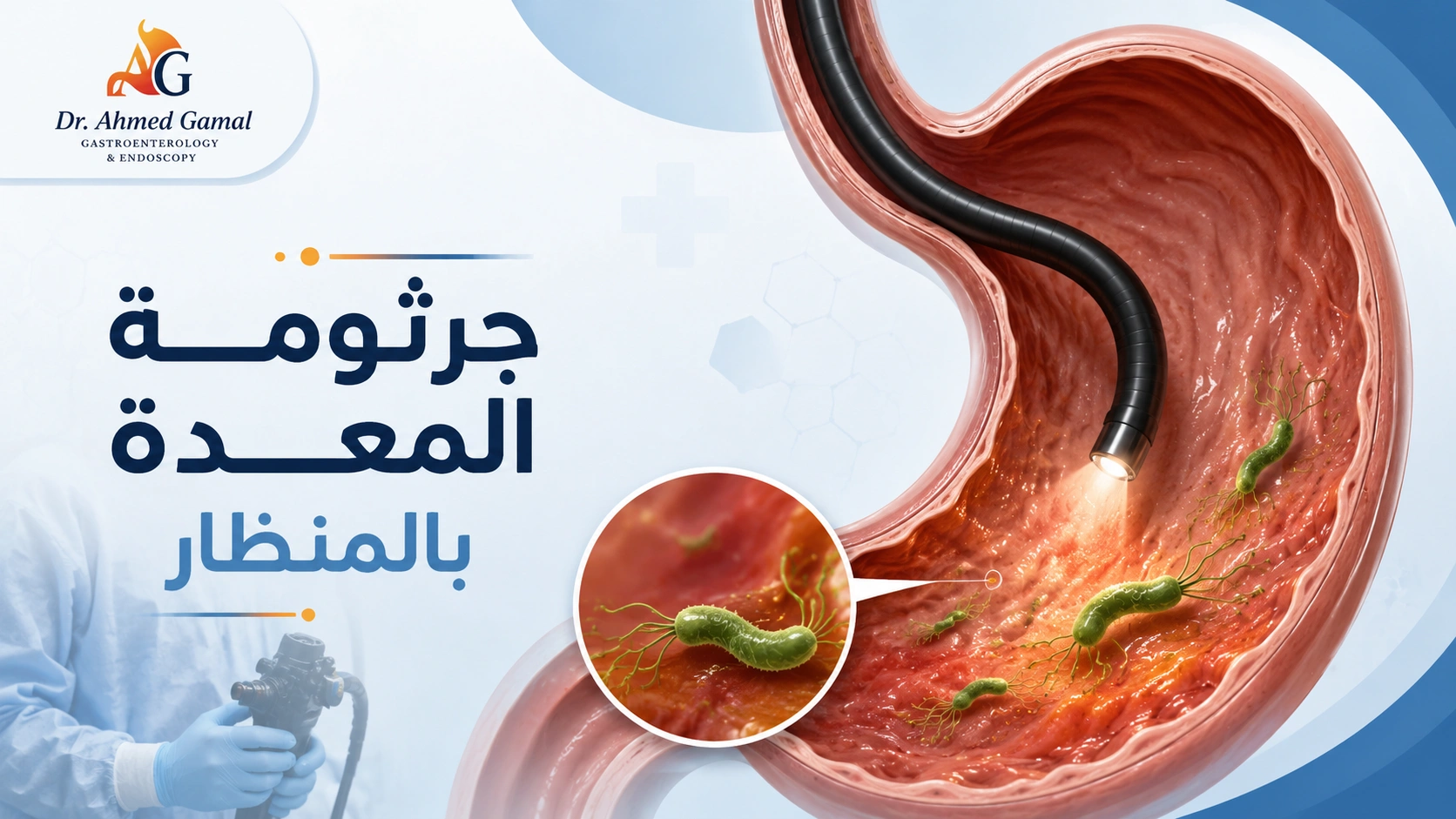
Gastroscopy examines the esophagus and stomach for inflammation, narrowing, ulcers, a hiatal hernia, Barrett's esophagus, or another explanation for symptoms. Biopsies can be taken when indicated. A normal examination does not always exclude reflux.
pH and impedance monitoring
Ambulatory monitoring records acid and non-acid reflux over time and compares episodes with symptoms. It is especially useful when the diagnosis remains uncertain or before selected anti-reflux interventions.
Esophageal manometry
Manometry measures esophageal contractions and sphincter function. It may be requested for swallowing difficulty, suspected motility disease, or before certain procedures.
How is reflux treated?
Treatment depends on symptom severity, test results, complications, and individual triggers. The plan may combine lifestyle measures, time-limited medicine, and follow-up. Most patients do not need surgery or an endoscopic procedure.
Lifestyle measures
- Eat smaller meals and avoid lying down for about three hours afterward.
- Raise the head of the bed for night-time symptoms.
- Work toward a healthy weight when appropriate.
- Stop smoking and avoid tight clothing around the abdomen.
- Keep a short diary to identify personal food triggers.
Medicines
Depending on the case, a doctor may recommend an antacid, an alginate, an H2 blocker, or a proton-pump inhibitor. The dose, timing, and duration matter. Long-term treatment should be reviewed, particularly when symptoms continue despite correct use.
Procedures for selected patients
Anti-reflux surgery or an endoscopic technique may be discussed when clinically appropriate reflux is objectively confirmed, suitable medical treatment has failed, or a relevant anatomical problem is present. The decision requires careful testing and a discussion of benefits, risks, and alternatives. Explore the clinic's gastroenterology and endoscopy services for related options.
Food and habits that may trigger symptoms
Common triggers include large or fatty meals, late-night eating, coffee, chocolate, mint, carbonated drinks, spicy food, tomato-based dishes, and citrus. You do not need to remove every item permanently. Identify what repeatedly worsens your own symptoms and keep the diet balanced.
Why consult Dr Ahmed Gamal?
Dr Ahmed Gamal assesses reflux within the broader context of digestive health. The consultation focuses on confirming the likely cause, identifying warning signs, selecting only useful tests, and avoiding random long-term medication. When another specialty is needed, coordinated referral can help address throat, chest, or swallowing symptoms appropriately.
Before leaving your appointment, ask whether the symptoms are likely to be reflux, whether gastroscopy is necessary, how and when to take prescribed medicine, when improvement should occur, and which warning signs require faster review.
Medical note: This content is educational and does not replace an examination. Do not start, stop, or change a medicine without medical advice.
Frequently asked questions
Can GERD be cured permanently?
Many patients achieve long periods of symptom control with the right lifestyle changes and treatment. Others need continued follow-up because factors such as obesity, a hiatal hernia, or motility problems remain present.
Does every reflux patient need gastroscopy?
No. The decision depends on age, symptoms, warning signs, response to treatment, and the possibility of another condition.
Can reflux cause a chronic cough?
Reflux can be associated with cough, hoarseness, or throat clearing, but these complaints have many causes. They should not be attributed to GERD without assessment.
How long does treatment take?
The timeline varies with the diagnosis, severity, adherence, and associated conditions. If an appropriate plan does not help, the diagnosis and treatment should be reviewed rather than the dose changed without advice.
Medical sources
Other Articles