Is Gastroscopy and Colonoscopy Painful?
Is gastroscopy and colonoscopy painful? Most patients describe pressure, cramping, bloating, or brief discomfort rather than severe pain. Throat-numbing medicine, intravenous sedation, or deeper anaesthesia may be used depending on the procedure, the patient's health, the centre, and personal preference. The medical team should explain the comfort plan before the appointment.
Gastroscopy examines the oesophagus, stomach, and duodenum through the mouth. Colonoscopy examines the rectum and colon through the anus. The sensations are different: gastroscopy may cause gagging or throat pressure, while colonoscopy may cause abdominal pressure as the scope moves around bends and the colon is expanded for visibility.
Call Dr Ahmed Gamal's clinic to discuss endoscopy and sedation or send a WhatsApp booking enquiry.
Does gastroscopy hurt?
During gastroscopy, the endoscope passes through the mouth and throat. A local anaesthetic spray can reduce the gag reflex, and sedation can help the patient relax or sleep lightly. The scope does not block breathing.
Patients may notice pressure in the throat, a need to burp, or temporary bloating because air or carbon dioxide is used to improve the view. Biopsies are usually not felt because the lining of the digestive tract does not sense cutting in the same way as skin.
Does colonoscopy hurt?
During colonoscopy, discomfort can come from stretching, gas, or the scope passing around the curves of the colon. Sedation and careful technique reduce this. Some people feel little or nothing, while others remember brief cramps or pressure.
Previous abdominal or pelvic surgery, diverticular disease, a long or sharply angled colon, active inflammation, and individual pain sensitivity can affect comfort. Tell the team about earlier difficult procedures so the plan can be adjusted.
Does colonoscopy require full anaesthesia?
Not always. Many colonoscopies are performed with intravenous sedation rather than general anaesthesia. The patient breathes independently and is monitored throughout. Deeper sedation or general anaesthesia may be chosen in selected cases based on medical condition, procedure complexity, previous experience, and the facility's protocol.
The safest option is individual. A person with significant heart or lung disease, sleep apnoea, obesity, medication interactions, or a previous anaesthetic problem may need a more detailed assessment.
Types of comfort and sedation
Local throat anaesthetic
A spray numbs the throat before gastroscopy. Some patients have the procedure with spray alone and remain fully awake. This avoids sedative recovery but does not eliminate pressure or gagging for everyone.
Light or moderate intravenous sedation
Medicine is given through a vein to reduce anxiety and awareness. The patient may be drowsy and may remember little of the procedure. Breathing, pulse, blood pressure, and oxygen are monitored.
Deep sedation
The patient is more deeply asleep and needs closer airway monitoring. This may require an anaesthetist or trained sedation professional according to local policy and the patient's needs.
General anaesthesia
General anaesthesia is not routine for every diagnostic gastroscopy or colonoscopy. It may be used for particular medical or procedural reasons. The clinical team balances comfort with the risks and recovery requirements.
What affects pain during endoscopy?
- The type and duration of the procedure.
- Whether treatment, polyp removal, dilation, or another intervention is planned.
- Previous surgery or altered anatomy.
- Inflammation, narrowing, or a technically difficult route.
- Anxiety, pain sensitivity, and previous experience.
- The sedation choice and response to medicine.
- The endoscopist's technique and the equipment used.
Discussing concerns before the procedure helps the team choose an appropriate plan. Do not take extra sedatives, painkillers, or alcohol before the appointment unless specifically instructed.
Is bowel preparation painful?
The bowel-cleansing medicine used before colonoscopy can cause frequent watery stools, urgency, bloating, and cramping. This can be uncomfortable, but it is temporary. Following the timing and fluid instructions carefully improves cleansing and can make the colonoscopy shorter and safer.
Contact the clinic if you cannot keep the preparation down, develop severe pain, become very dizzy, or have a medical condition that affects fluid balance. Do not change the preparation schedule without advice.
Ask the clinic about preparation and the comfort plan or contact the team on WhatsApp.
What do patients feel during gastroscopy?
With throat spray alone, patients may feel the mouthpiece, pressure as the scope enters the throat, gagging, and air in the stomach. The procedure is usually brief. With sedation, awareness is reduced and some patients do not remember it.
Slow breathing and following the nurse's instructions can help. The team can pause or adjust the procedure if discomfort becomes difficult.
What do patients feel during colonoscopy?
The patient may feel fullness, gas, pressure, or cramps as the colon is expanded and the scope advances. Changing position or applying gentle abdominal pressure can help the scope move more comfortably. With sedation, many patients are sleepy and have limited recall.
Does taking a biopsy or removing a polyp hurt?
Patients usually do not feel a biopsy or polyp removal directly. They may still feel pressure from the scope or gas. Removing tissue can create a small risk of bleeding, and larger interventions may require specific aftercare. The doctor explains any restrictions before discharge.
What is normal after gastroscopy?
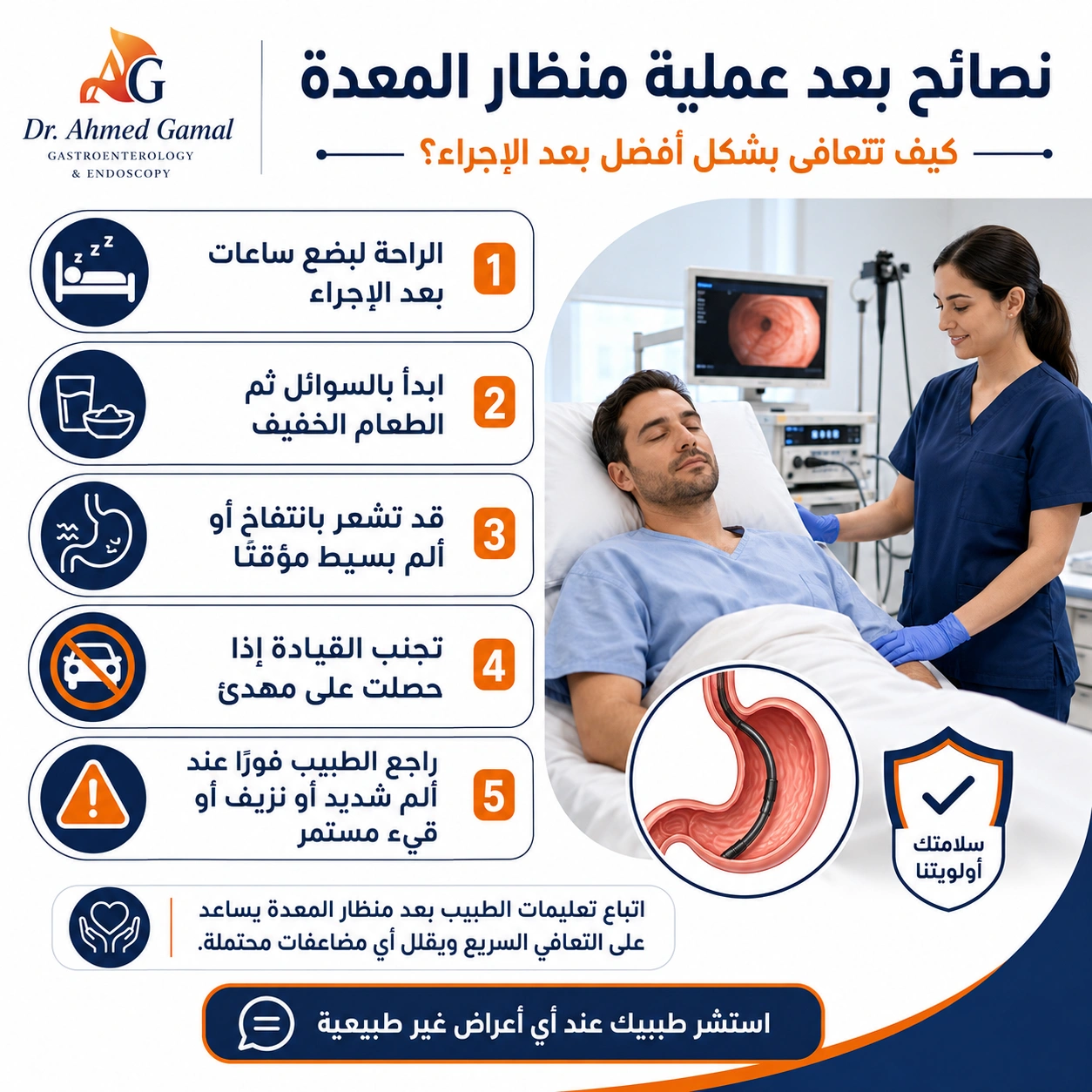
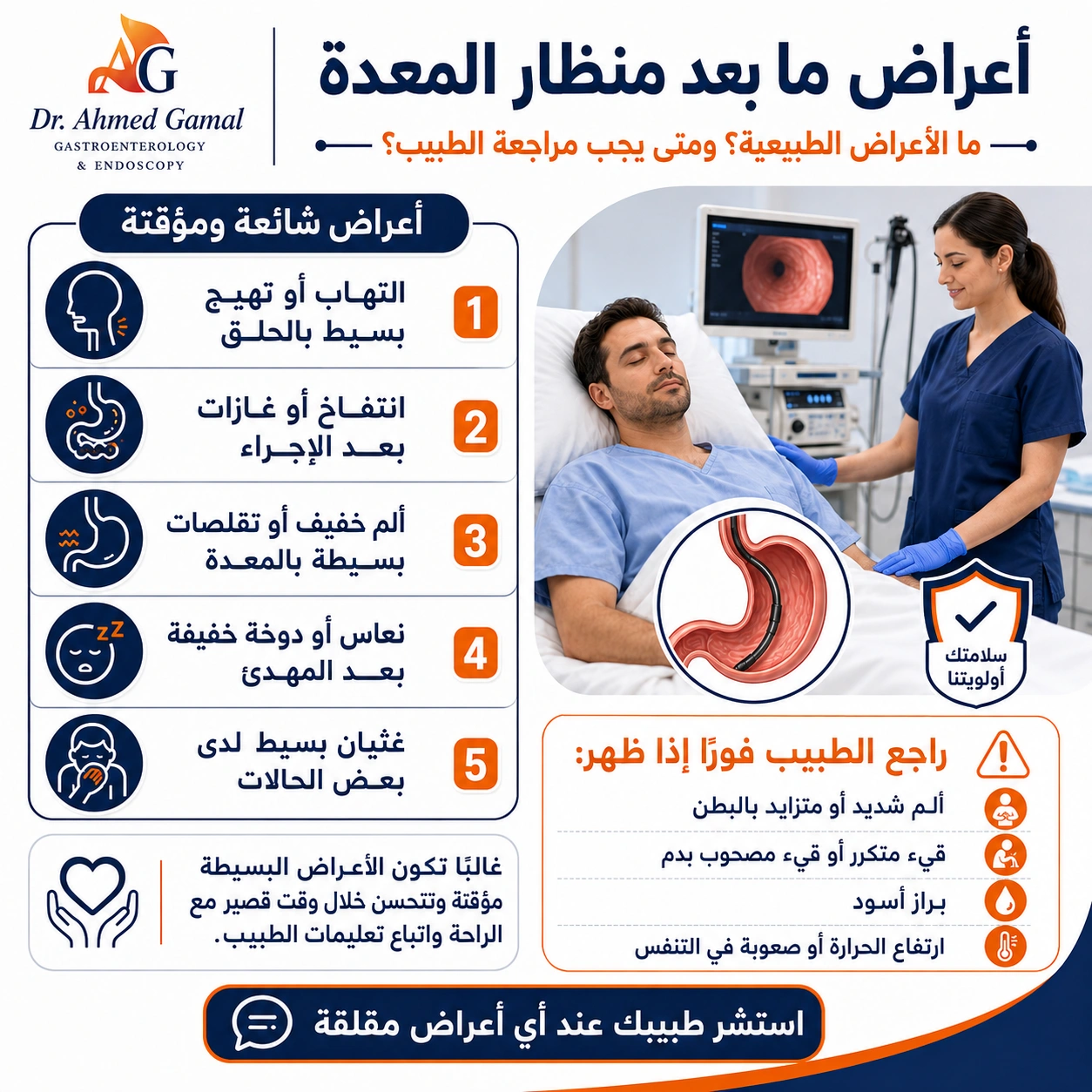
A mild sore throat, temporary bloating, belching, or mild nausea can occur. These symptoms usually improve within a short period. Follow the instructions about eating, drinking, medicines, and driving.
What is normal after colonoscopy?
Gas, bloating, and mild cramps are common as the remaining air passes. A small amount of bleeding may occur after a biopsy or polyp removal, but the centre should explain what amount is expected and when to seek help.
When to seek urgent medical care
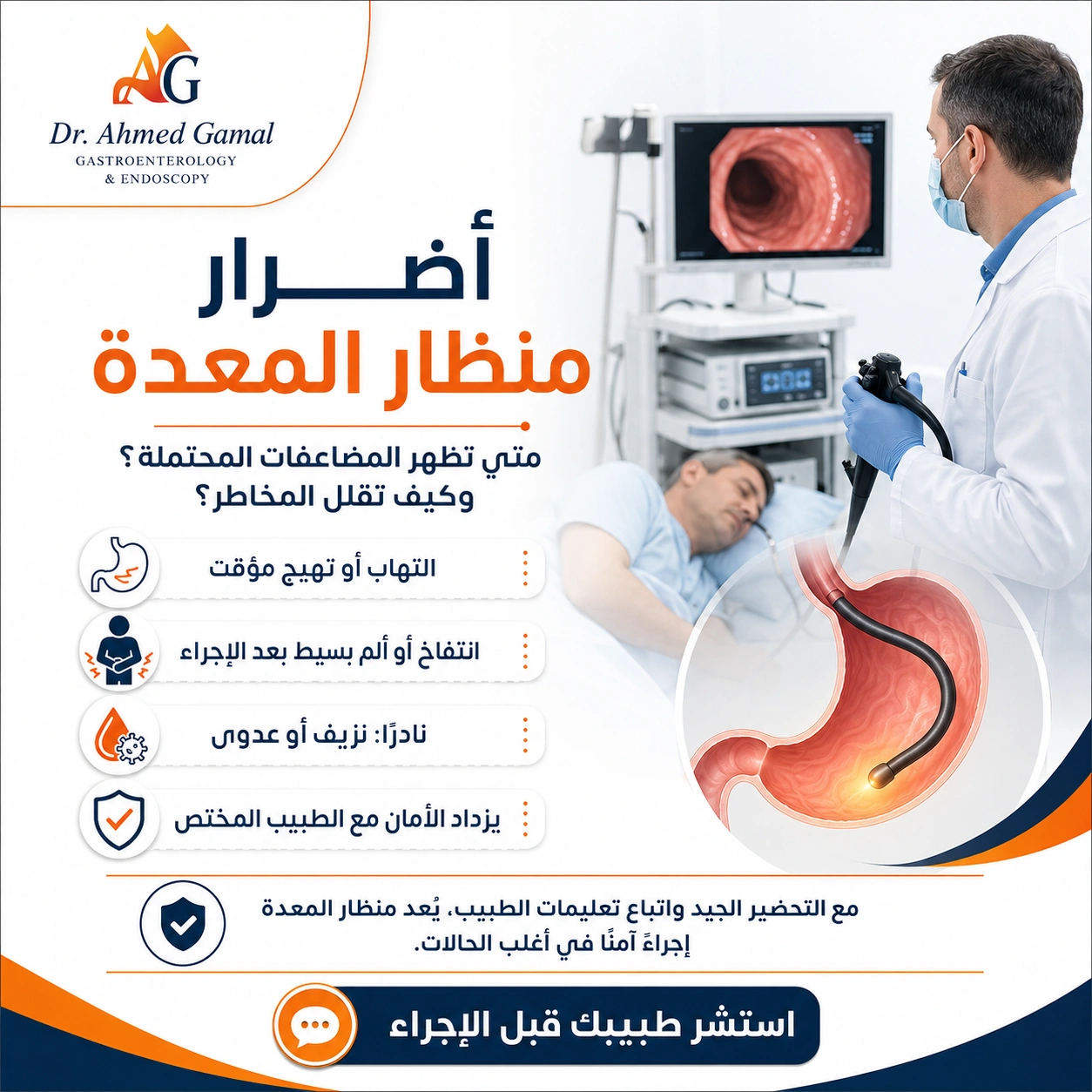
Contact the endoscopy team or seek urgent care for:
- Severe or worsening chest or abdominal pain.
- Difficulty breathing or swallowing that gets worse.
- Fever, fainting, or marked weakness.
- Repeated vomiting or vomiting blood.
- Black stools or significant rectal bleeding.
- A hard, increasingly swollen abdomen.
Serious complications are uncommon, but early assessment is important when warning signs occur.
How to make endoscopy more comfortable
- Tell the doctor about previous difficult endoscopies.
- List all medicines, allergies, and health conditions.
- Follow fasting and bowel-preparation instructions exactly.
- Ask what type of sedation is planned and why.
- Arrange an adult escort if sedation will be used.
- Wear comfortable clothing and arrive at the requested time.
- Use slow breathing and follow the team's guidance during the procedure.
Can endoscopy be performed without sedation?
Selected patients can have gastroscopy with throat spray or colonoscopy without intravenous sedation. The benefit is faster recovery and avoiding sedative effects. The trade-off is greater awareness of pressure, gagging, or cramps. Suitability depends on the patient, the procedure, and the centre.
Can I drive after sedation?
No. If you receive sedation or anaesthesia, arrange for a responsible adult to take you home. Follow the centre's instructions about driving, work, alcohol, signing legal documents, and making important decisions after the procedure.
How long does discomfort last?
Mild throat irritation after gastroscopy and gas or cramps after colonoscopy generally improve within hours. Symptoms that are severe, worsening, or accompanied by bleeding, fever, vomiting, or breathing difficulty are not expected and need prompt advice.
Choosing the right endoscopy plan
The best approach balances comfort, safety, and the purpose of the procedure. A short diagnostic examination may need a different plan from a therapeutic procedure. Review the clinic's gastroenterology and endoscopy services and discuss your health history before booking.
Frequently asked questions
Is gastroscopy painful without sedation?
It may cause gagging, throat pressure, and bloating, but severe pain is not expected. Throat spray and careful technique improve comfort.
Is colonoscopy painful with sedation?
Many patients feel little or remember very little. Brief pressure or cramps can still occur, and comfort varies between individuals.
Does colonoscopy need full anaesthesia?
No. Intravenous sedation is commonly used, while deep sedation or general anaesthesia is reserved for selected situations.
Will I feel a biopsy?
Biopsy tissue is usually taken without a cutting-pain sensation. Patients may feel pressure from the scope or gas.
How long does recovery take?
Procedure-related bloating or mild throat irritation may improve within hours. Sedative effects can last longer, so follow the discharge and driving instructions.
What should I tell the doctor before endoscopy?
Report medicines, blood thinners, diabetes treatment, allergies, pregnancy, heart or lung disease, sleep apnoea, and any previous sedation problems.
Call Dr Ahmed Gamal's clinic or book through WhatsApp to discuss the procedure and the appropriate sedation plan.
Other Articles