Top 10 Endoscopy Doctors in Cairo: Selection Guide
Searching for the top 10 endoscopy doctors in Cairo usually means you need a clinician who combines accurate digestive diagnosis with practical experience in gastroscopy, colonoscopy, or bile duct procedures. A name on a list is not enough. Preparation, facility standards, monitoring, reporting, and follow-up all affect the quality of care. The Dr Ahmed Gamal website describes gastroenterology, hepatology, and endoscopy services. This guide explains how to compare your options before booking.
Top 10 endoscopy doctors in Cairo: how to compare
Experience varies by procedure. Upper endoscopy is different from colonoscopy or ERCP, and diagnostic procedures differ from therapeutic interventions. Start by reviewing Dr Ahmed Gamal's profile and the available endoscopy services, then consider these ten criteria.
1. Experience in the procedure you need
Ask about experience with your planned test. Gastroscopy examines the oesophagus, stomach, and duodenum. Colonoscopy examines the large bowel and sometimes the end of the small bowel. ERCP is a specialised procedure for selected bile duct and pancreatic duct problems. Relevant procedural experience is a primary criterion when comparing the top 10 endoscopy doctors in Cairo.
2. A medically justified recommendation
Not every digestive symptom requires endoscopy. The doctor should review symptom duration, age, medicines, chronic conditions, laboratory results, and alarm features. Ask what the test may show, which alternatives exist, and how the result would change management.
3. Clear preparation instructions
Good preparation improves diagnostic quality and reduces the chance of an incomplete test. Gastroscopy often requires fasting, while colonoscopy requires a bowel preparation plan. The team should review diabetes medicines, blood thinners, allergies, previous sedation problems, and other relevant risks. Do not stop prescribed medicine without advice.
4. A suitable facility and monitoring
Ask where the procedure will take place, who provides sedation, how vital signs are monitored, and how recovery is supervised. Requirements differ with age, health conditions, and procedure complexity. Choosing among the top 10 endoscopy doctors in Cairo involves the full team and facility.
5. Biopsy and therapeutic skills
Endoscopy may allow biopsy, polyp removal, bleeding control, dilation, or another targeted treatment when indicated. The doctor should explain why a sample or intervention may be needed, its benefits and risks, and when pathology results will be available.
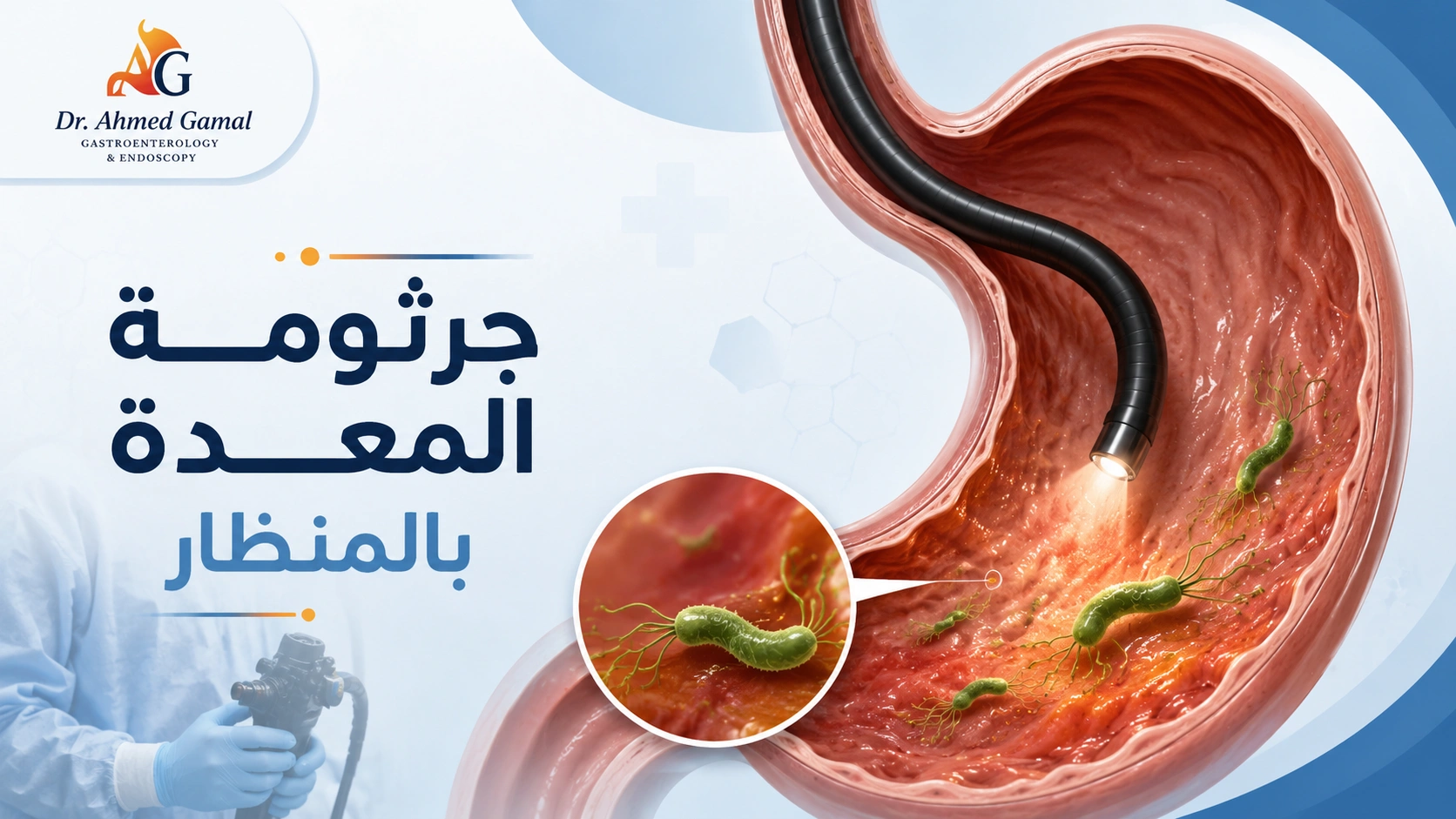
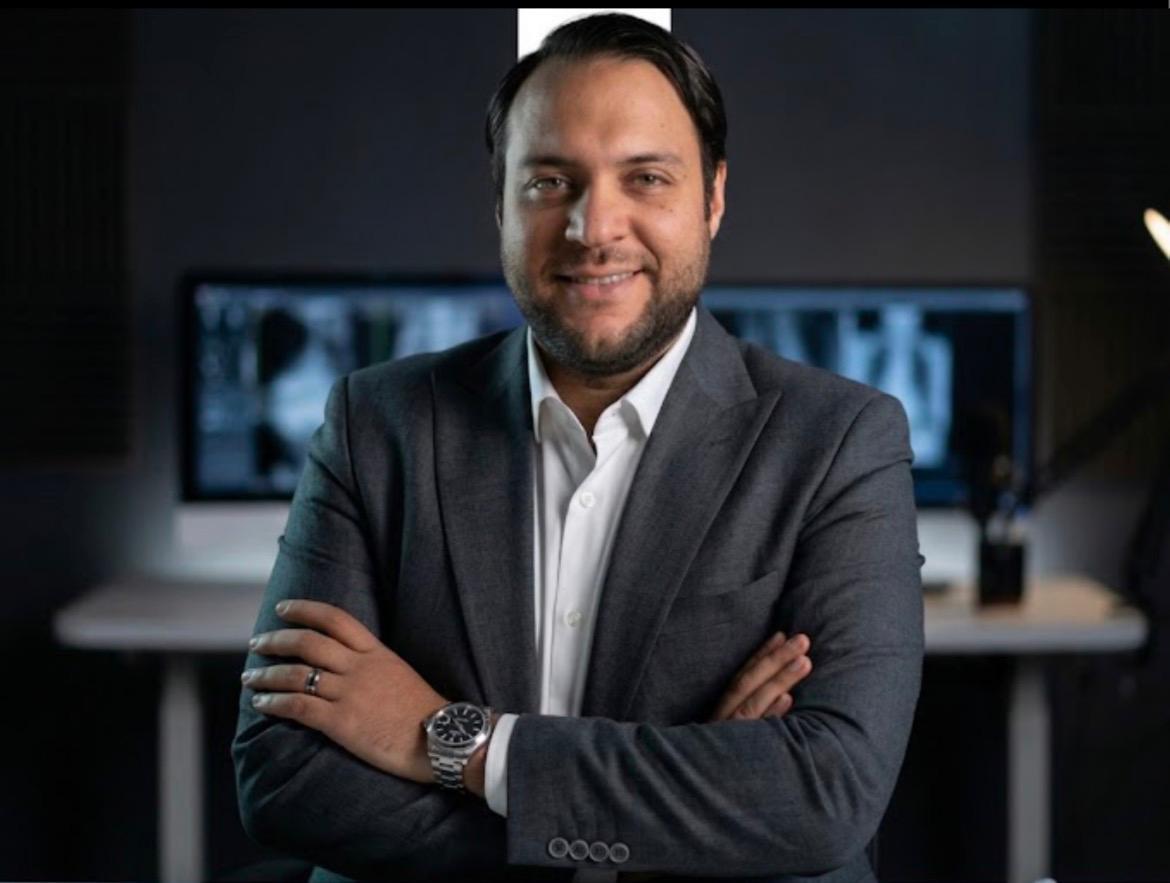
Dr Ahmed Gamal explains upper endoscopy
6. A complete report and follow-up plan
After the test, you should receive an explanation and a report describing the examined area, preparation quality, findings, biopsies, and interventions. Images may support follow-up when relevant. Ask who will discuss pathology and whether a review visit is required.
7. Honest discussion of benefits and risks
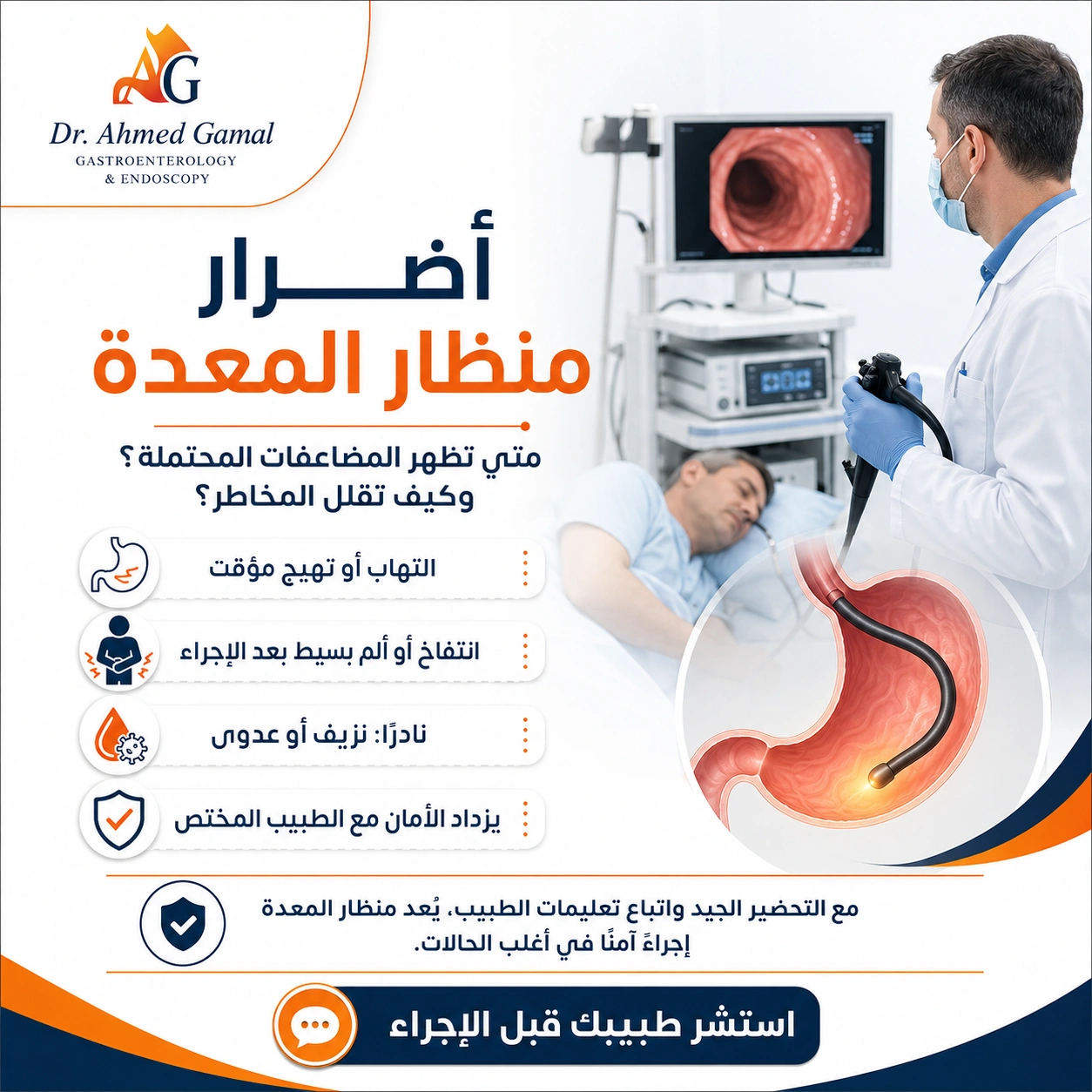
Endoscopy is common, but no procedure is completely risk-free. The clinician should explain expected temporary symptoms, less common complications, and signs that require urgent help. Risks vary with the procedure, sedation, intervention, and individual medical history.
8. Practical aftercare instructions
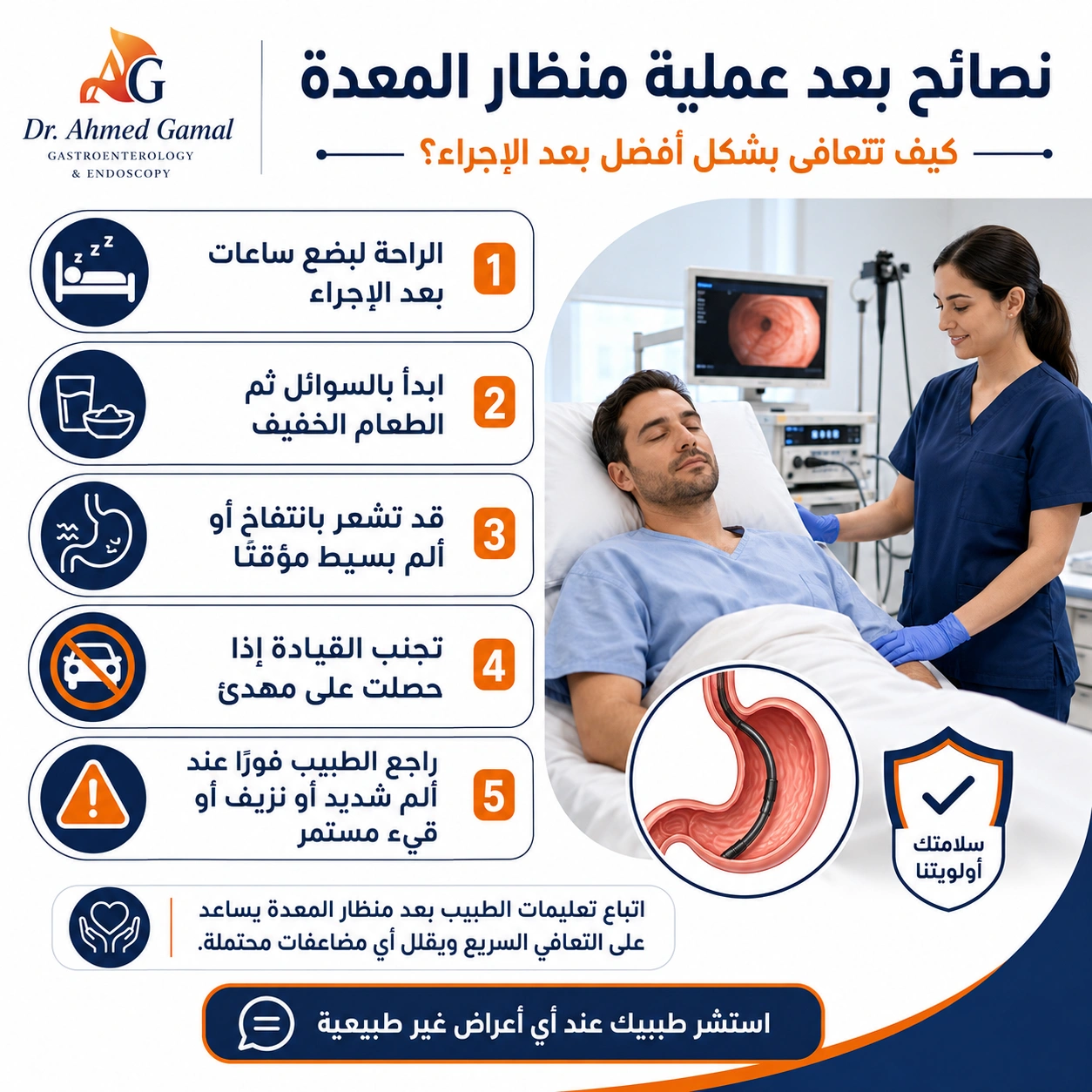
Ask when you can eat, work, drive, and restart medicines. If sedation is used, an escort may be required and driving may be restricted for the rest of the day. The written instructions should explain how to contact the unit if pain, fever, vomiting, or bleeding occurs.
9. Access to advanced options when appropriate
Selected patients with confirmed reflux may be assessed for endoscopic treatments such as ARMA or GERDx. Availability does not make a technique suitable for everyone. The diagnosis, previous treatment response, anatomy, benefits, limitations, and alternatives must support the decision.
10. Communication and continuity
When comparing the top 10 endoscopy doctors in Cairo, ask how reports and biopsy results are delivered, when follow-up occurs, and how unexpected symptoms are handled. The official contact page lists Dr Ahmed Gamal's clinics in Nasr City, the Fifth Settlement, and Mohandessin.
When may gastroscopy be considered?
A doctor may discuss upper endoscopy for swallowing difficulty, gastrointestinal bleeding, repeated vomiting, unexplained anaemia, persistent upper abdominal pain, or symptoms that do not respond as expected. It can help assess inflammation, ulcers, selected reflux complications, and suspicious changes.
When may colonoscopy be considered?
Possible reasons include rectal bleeding, a persistent change in bowel habits, unexplained anaemia, suspected inflammatory bowel disease, surveillance after previous polyps, or preventive assessment based on age and risk. The decision is individual.
Understanding ERCP
ERCP is used in selected patients to diagnose or treat bile duct obstruction, remove stones, or place a stent. It requires careful assessment, laboratory tests, and appropriate imaging. Jaundice, dark urine, fever, or severe upper abdominal pain may require prompt medical evaluation.
Questions to ask before booking
- Which procedure is recommended and why?
- Where will it take place and who provides sedation?
- What fasting or bowel preparation is required?
- Could a biopsy or therapeutic intervention be needed?
- When will I receive the report and results?
- Which symptoms require urgent contact?
These questions help you compare the top 10 endoscopy doctors in Cairo using practical information rather than impressions alone.
Warning signs that should not wait
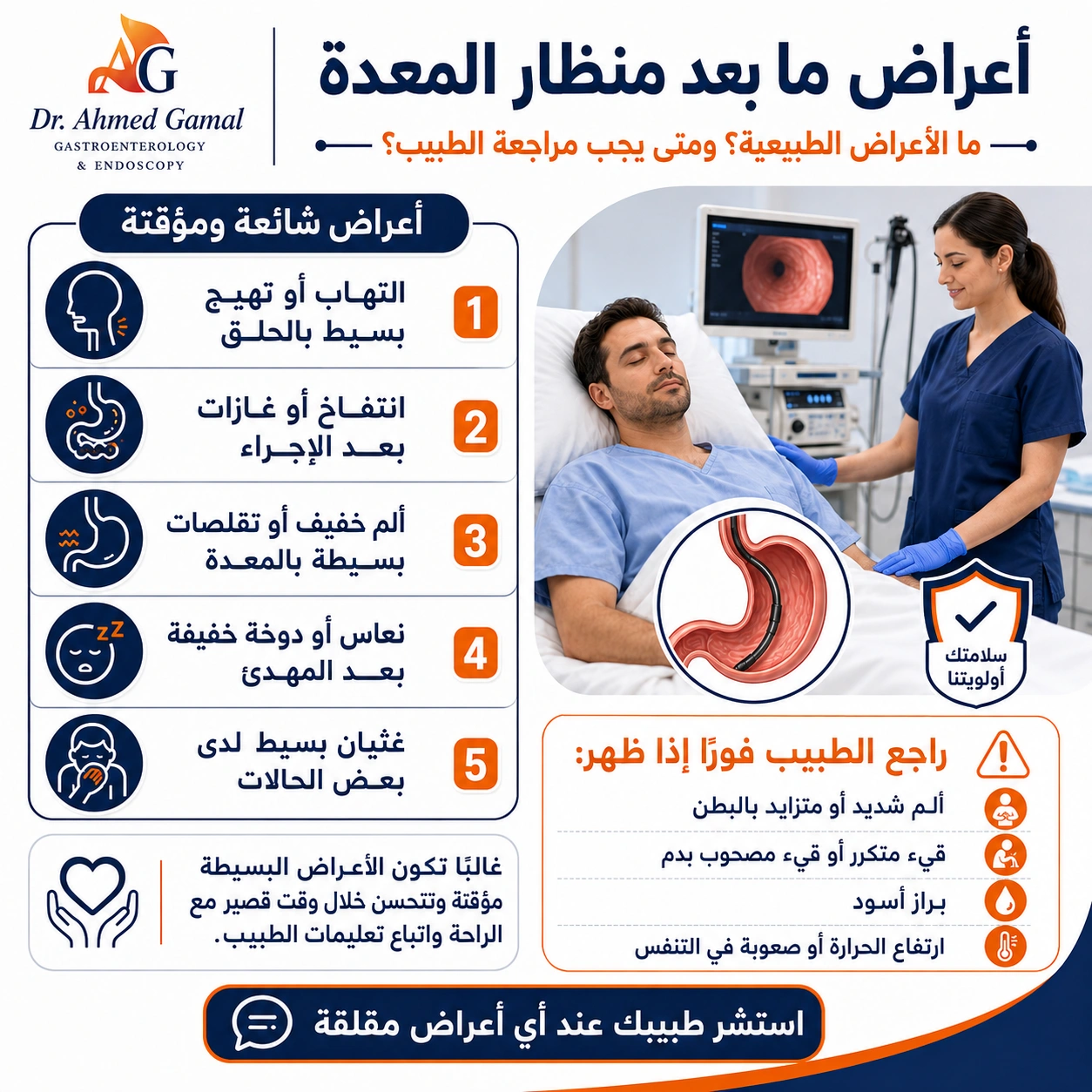
Seek prompt help for vomiting blood, black stools, heavy bleeding, fainting, sudden severe abdominal pain, or marked jaundice with fever and pain. After endoscopy, contact the treating team urgently for increasing pain, fever, repeated vomiting, or significant bleeding according to your discharge instructions.
Choosing the right endoscopy specialist
Finding the top 10 endoscopy doctors in Cairo depends on the required procedure, the doctor's experience, facility standards, preparation, reporting, and follow-up. Review Dr Ahmed Gamal's profile, explore the services, and use the contact page.
Book an endoscopy assessment with Dr Ahmed Gamal
Contact the clinic team to confirm the branch, appointment, and preparation instructions.
Frequently asked questions
How do I choose an endoscopy doctor in Cairo?
Compare specialist training, experience with the required procedure, facility standards, reporting, and follow-up.
Does every stomach pain require endoscopy?
No. The doctor decides after reviewing symptoms, examination findings, previous results, and alarm features.
Can a biopsy be taken during endoscopy?
Yes. A biopsy may be taken when needed, and patients generally do not feel the sampling itself.
Can I drive after endoscopy?
If sedation is used, do not drive and follow the unit's instructions about an escort and return to normal activity.
Is endoscopy only diagnostic?
No. Depending on the case, it may also remove a polyp, control bleeding, dilate a narrowing, or perform another treatment.
Other Articles