ARMA Procedure for GERD Treatment: A Comprehensive Guide Before the Procedure
The ARMA procedure for GERD treatment is an endoscopic technique that uses controlled thermal ablation around part of the gastroesophageal junction. Healing and scar contraction may narrow the opening and improve the antireflux barrier. It is performed through the mouth without abdominal incisions, but it remains an interventional procedure that requires confirmed reflux, careful patient selection and specialist follow-up.
What is ARMA?
ARMA stands for anti-reflux mucosal ablation. A therapeutic endoscope is passed to the junction between the oesophagus and stomach. A planned area of mucosa is ablated while part of the circumference is left untreated. As the treated area heals, tissue contraction may reinforce the valve. ARMA does not remove part of the stomach and leaves no permanent implant.
How ARMA may reduce reflux
The lower oesophageal sphincter, diaphragm and flap valve normally work together to stop stomach contents moving upwards. If this barrier is weak, acid and food can reflux. ARMA aims to reduce the width of the junction through controlled healing. Results differ according to hiatal hernia size, valve anatomy, oesophageal movement and the pattern of reflux.
Who may be considered?
Symptoms alone are insufficient. A possible candidate generally has objective evidence of GERD and understands that improvement is not guaranteed.
- Typical heartburn or regurgitation despite correctly used treatment.
- Abnormal reflux shown on pH or impedance monitoring.
- A small or absent hiatal hernia.
- Adequate oesophageal movement on manometry.
- No major contraindication to endoscopy or anaesthesia.
- A realistic goal of improving symptoms and possibly reducing medication.
When ARMA may not be suitable
ARMA may be inappropriate when reflux has not been proven, when symptoms arise from functional heartburn or hypersensitivity, or when there is a large hiatal hernia, severe motility disorder, unexplained dysphagia, oesophageal narrowing, varices, suspected cancer, uncontrolled bleeding risk, pregnancy or an unstable medical condition. A large anatomical defect may require surgical repair.
Tests before the procedure
Upper endoscopy
Gastroscopy checks for inflammation, narrowing, Barrett's changes, ulcers and the size of a hiatal hernia. The specialist may take biopsies when indicated.
Reflux monitoring
Ambulatory pH or impedance monitoring measures acid and non-acid reflux and matches episodes with symptoms. It is particularly useful when endoscopy appears normal.
Oesophageal manometry
Manometry evaluates contractions and sphincter function. It can identify disorders that change the treatment choice or increase the chance of swallowing difficulty.
What happens during ARMA?
- The patient fasts and the team reviews medicines, allergies and medical conditions.
- Sedation or general anaesthesia is given with continuous monitoring.
- An upper endoscope examines the oesophagus and stomach.
- The specialist marks and ablates a selected mucosal area near the junction.
- A segment is preserved to reduce the risk of excessive narrowing.
- The area is checked for bleeding or immediate injury.
- The patient recovers under observation before discharge or short admission.
Potential benefits
- Treatment through the mouth without abdominal cuts.
- No permanent implanted device.
- Short observation and recovery in uncomplicated cases.
- Possible reduction in heartburn and regurgitation.
- Possible reduction in acid-suppressing medication.
ARMA is still an evolving technique. Early studies have reported encouraging outcomes, but study sizes, definitions of success and follow-up periods vary. A recent sham-controlled trial did not show a clearly significant difference in clinical success at 12 months, so the procedure should never be presented as a guaranteed cure.
Risks and possible complications
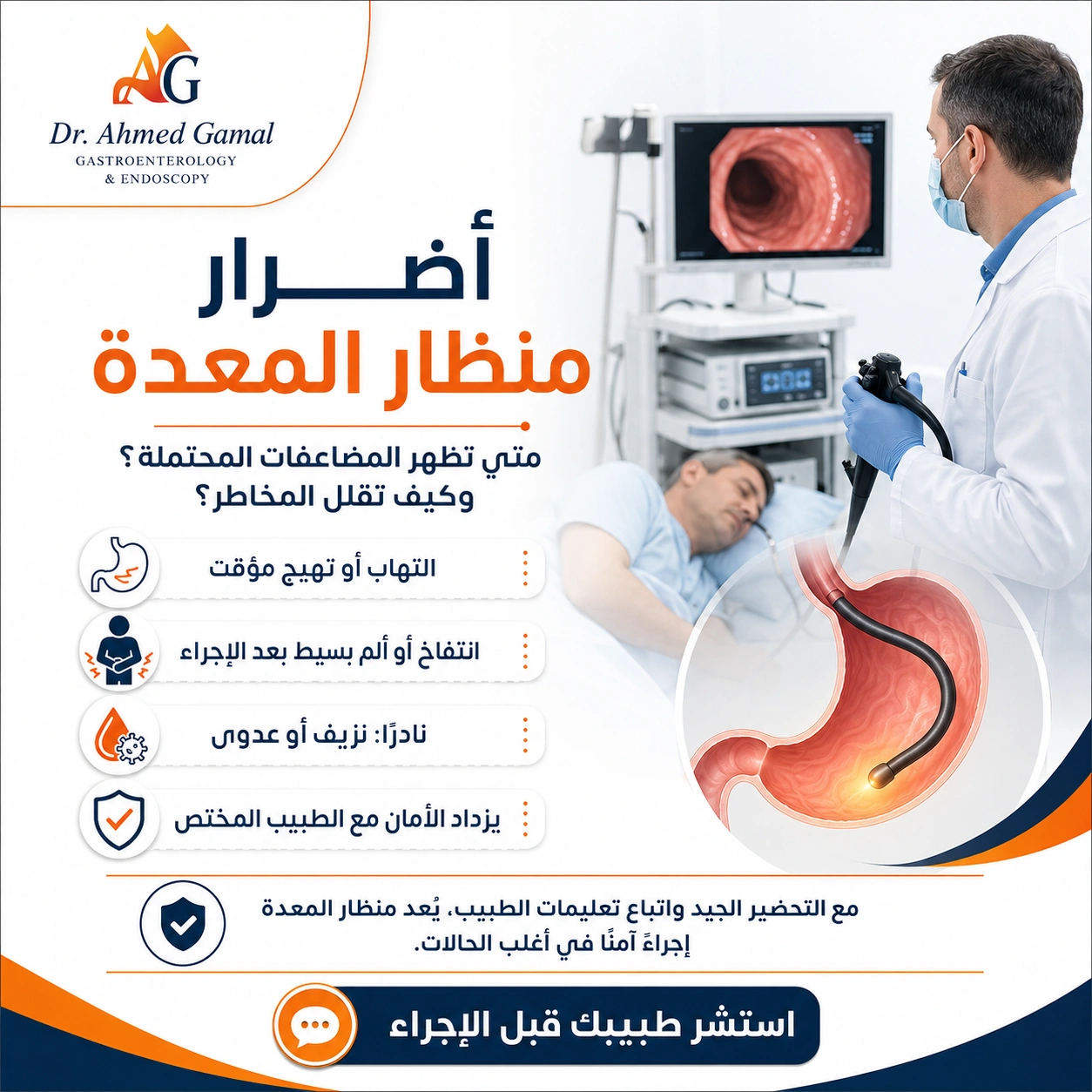
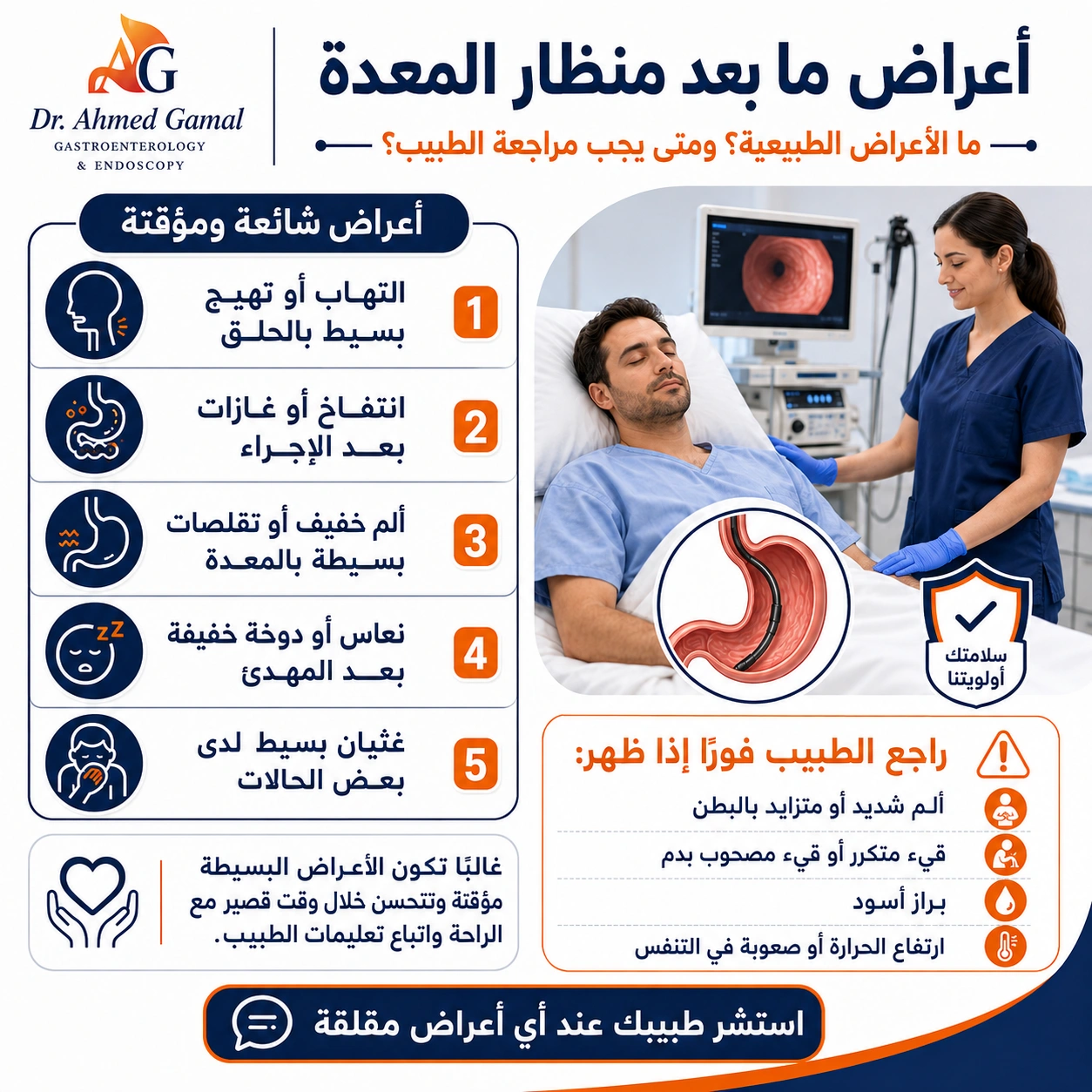
Temporary sore throat, chest discomfort, nausea and swallowing difficulty can occur. More significant risks include bleeding, ulceration, infection, excessive scarring and narrowing, dysphagia requiring endoscopic dilation, anaesthetic complications, persistent symptoms and recurrent reflux. Severe chest or abdominal pain, inability to drink, repeated vomiting, blood in vomit, black stool, fever, breathing difficulty, fainting or dehydration needs urgent medical assessment.
Recovery and food progression
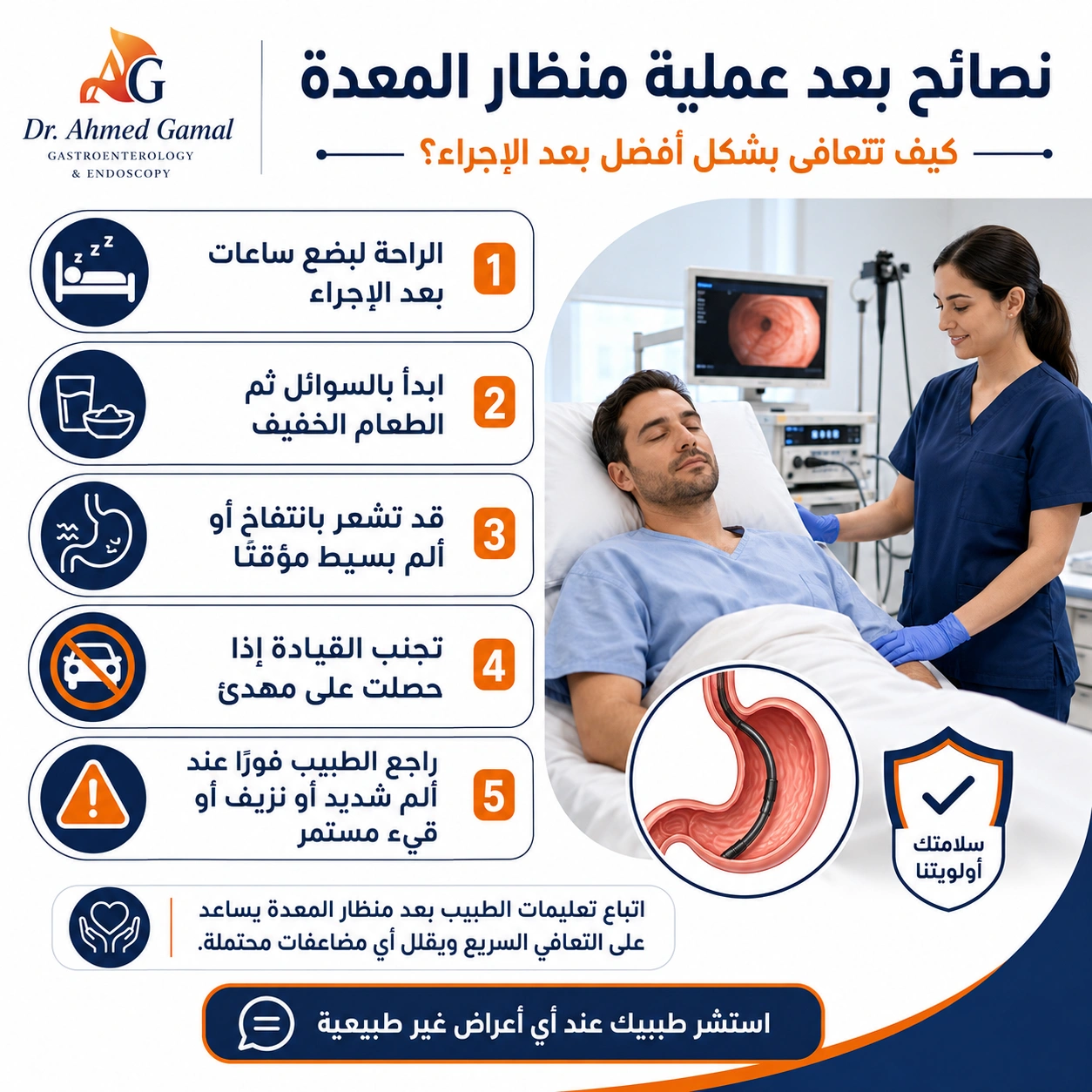
The treating team may recommend clear liquids followed by full liquids and soft food while the ablated area heals. Patients should eat slowly, avoid strenuous exercise temporarily and take prescribed acid suppression or protective medicine. Medication should not be stopped without the doctor's instructions. Final benefit is assessed over weeks or months because the effect depends on healing.
ARMA compared with ARMS
Both techniques use healing and contraction to improve the junction. ARMA applies controlled ablation to the mucosal surface, while ARMS removes a selected mucosal area. Both may cause narrowing or dysphagia. The choice depends on anatomy, evidence, available expertise and the patient's risk profile.
ARMA, medication or surgery?
Lifestyle measures and proton pump inhibitors remain the starting point for many patients. ARMA may be discussed for selected patients with proven reflux and limited anatomical disruption. Surgery can repair a large hiatal hernia and has more established long-term evidence, but it is more invasive. The decision should integrate endoscopy, pH testing, manometry, weight, medication response and individual priorities.
Specialist assessment with Dr Ahmed Gamal
Dr Ahmed Gamal reviews the diagnosis, medicine timing and results of endoscopy, reflux monitoring and manometry before recommending treatment. This helps distinguish true reflux from other causes of burning, chest discomfort, cough or throat symptoms. See the clinic's digestive and endoscopy services and its dedicated ARMA service.
Frequently asked questions
Is ARMA a permanent cure?
No. Symptoms and medicine use may improve, but some patients do not respond or later experience recurrent reflux.
Is the procedure painful?
It is performed under anaesthesia. Chest discomfort or temporary swallowing difficulty may occur during healing.
Can ARMA treat a hiatal hernia?
It may be considered with a small hernia in selected cases, but it does not repair a large hernia.
Can I stop reflux medicine afterwards?
Only after review. Medicine is often continued during healing and may still be needed long term.
Medical notice: This information is educational and does not replace an examination. Do not stop or change reflux medication without medical advice.
Medical references
Other Articles