Laparoscopic Sleeve Gastrectomy: A Comprehensive Guide Before Making the Decision
Laparoscopic sleeve gastrectomy is a major bariatric operation that reduces stomach size to support substantial, sustained weight loss. It can also improve obesity-related conditions in appropriately selected patients. The decision requires a full medical, nutritional, psychological and surgical assessment because the procedure permanently removes a large part of the stomach and creates lifelong follow-up needs.
What is laparoscopic sleeve gastrectomy?
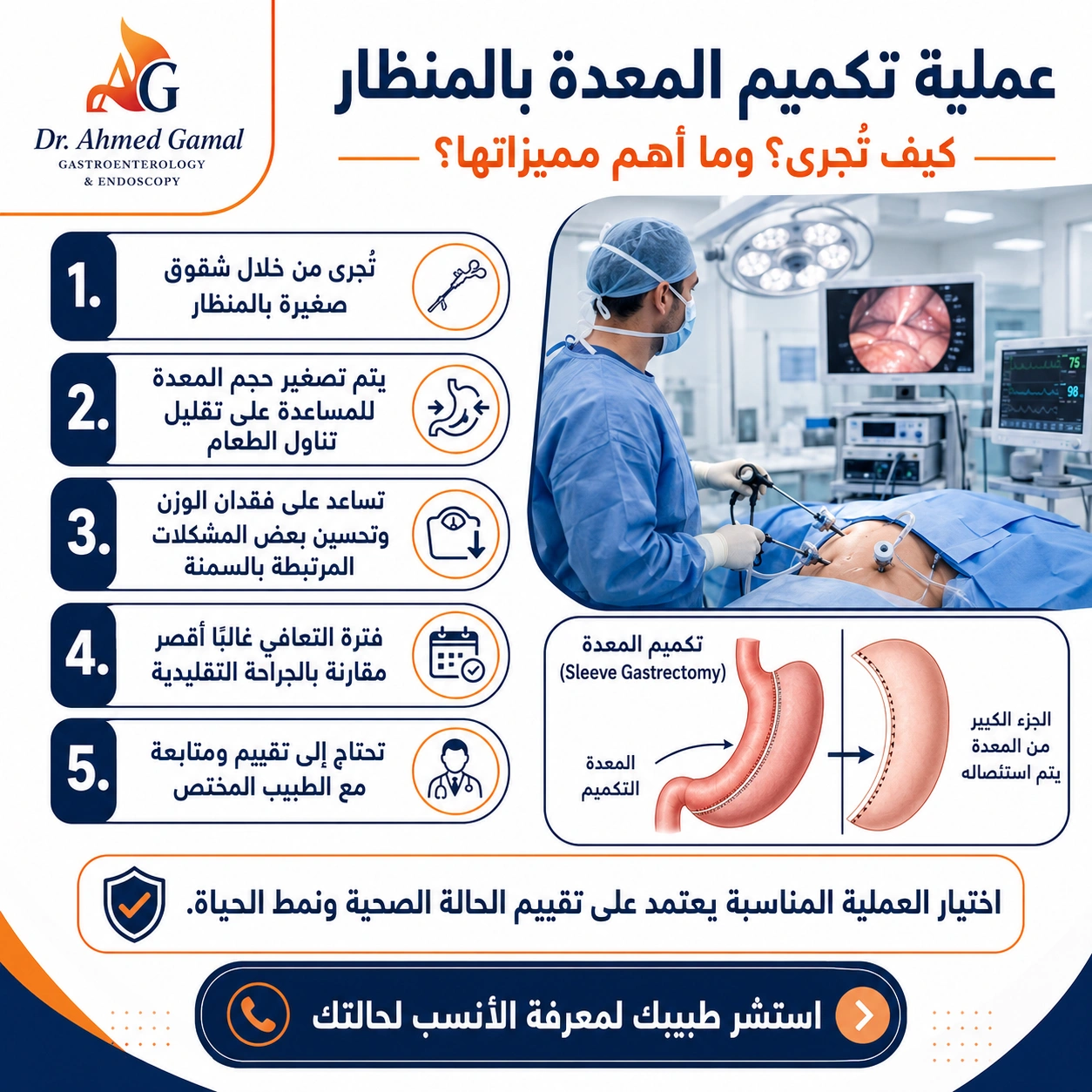
During laparoscopic sleeve gastrectomy, a bariatric surgeon operates through several small abdominal incisions. Most of the stomach is removed, leaving a narrow tube or sleeve. The smaller stomach limits meal size and alters signals involved in hunger, fullness and metabolism. Food continues along its usual route, so the intestines are not bypassed.
Laparoscopic surgery versus endoscopic sleeve gastroplasty
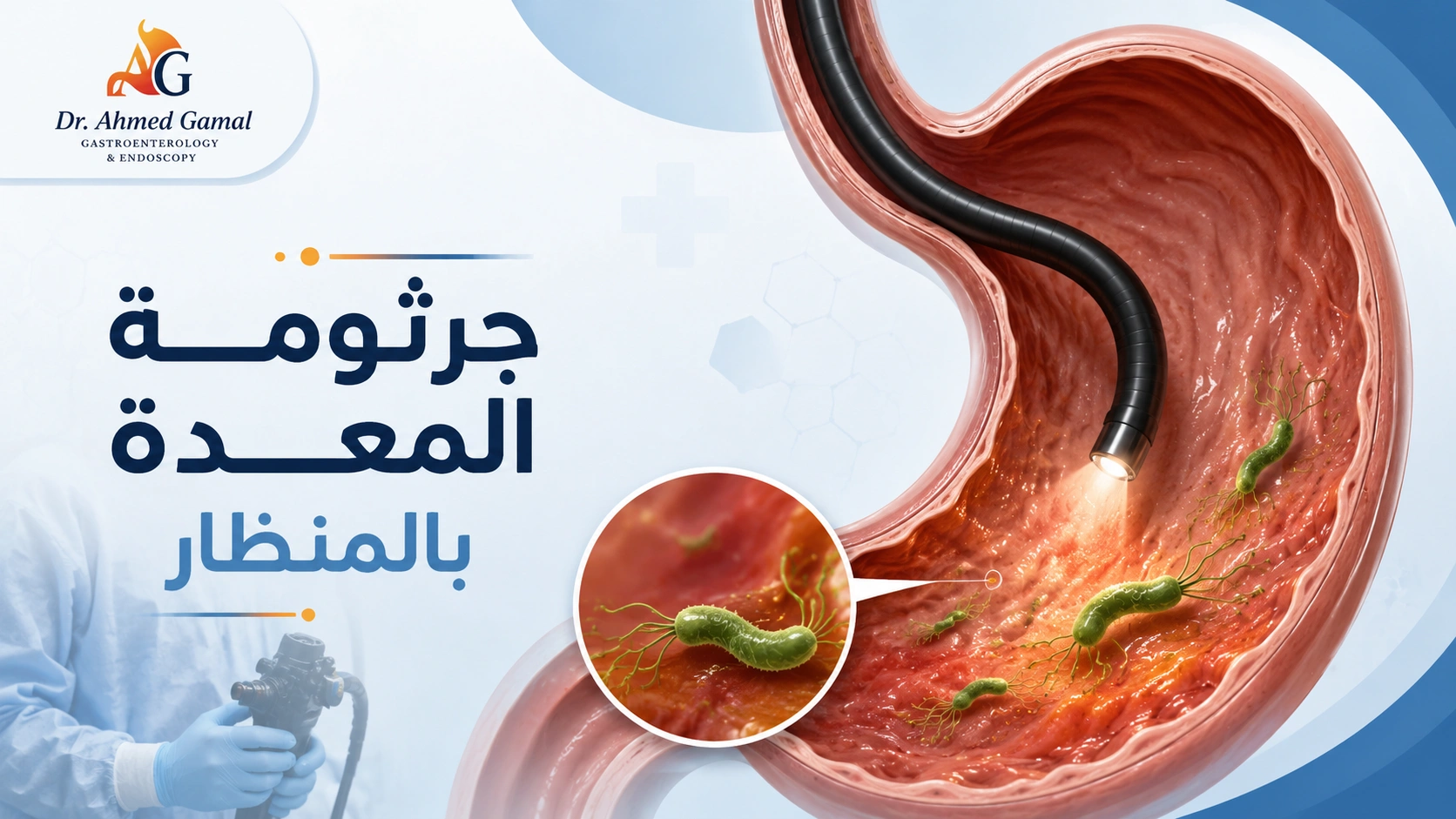
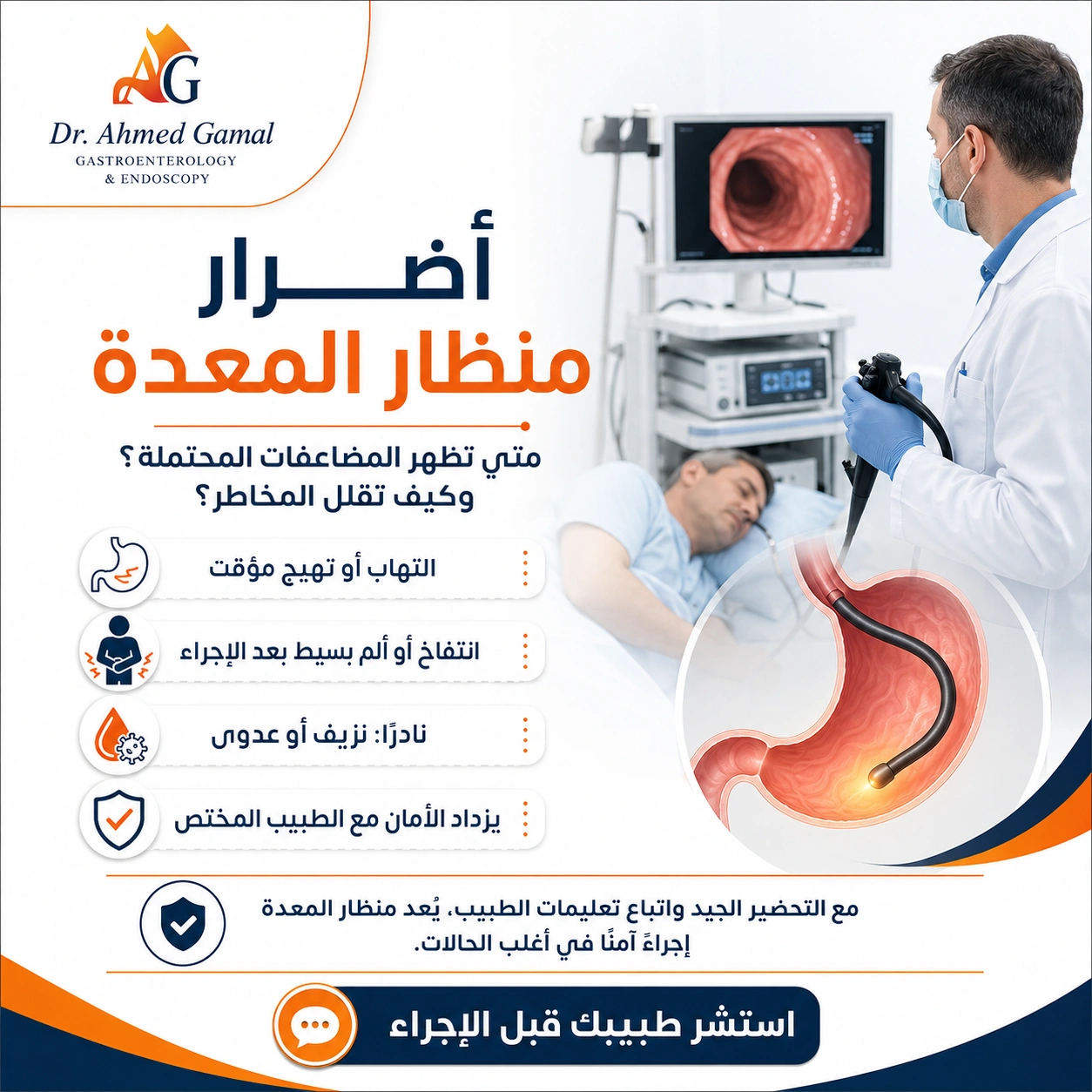
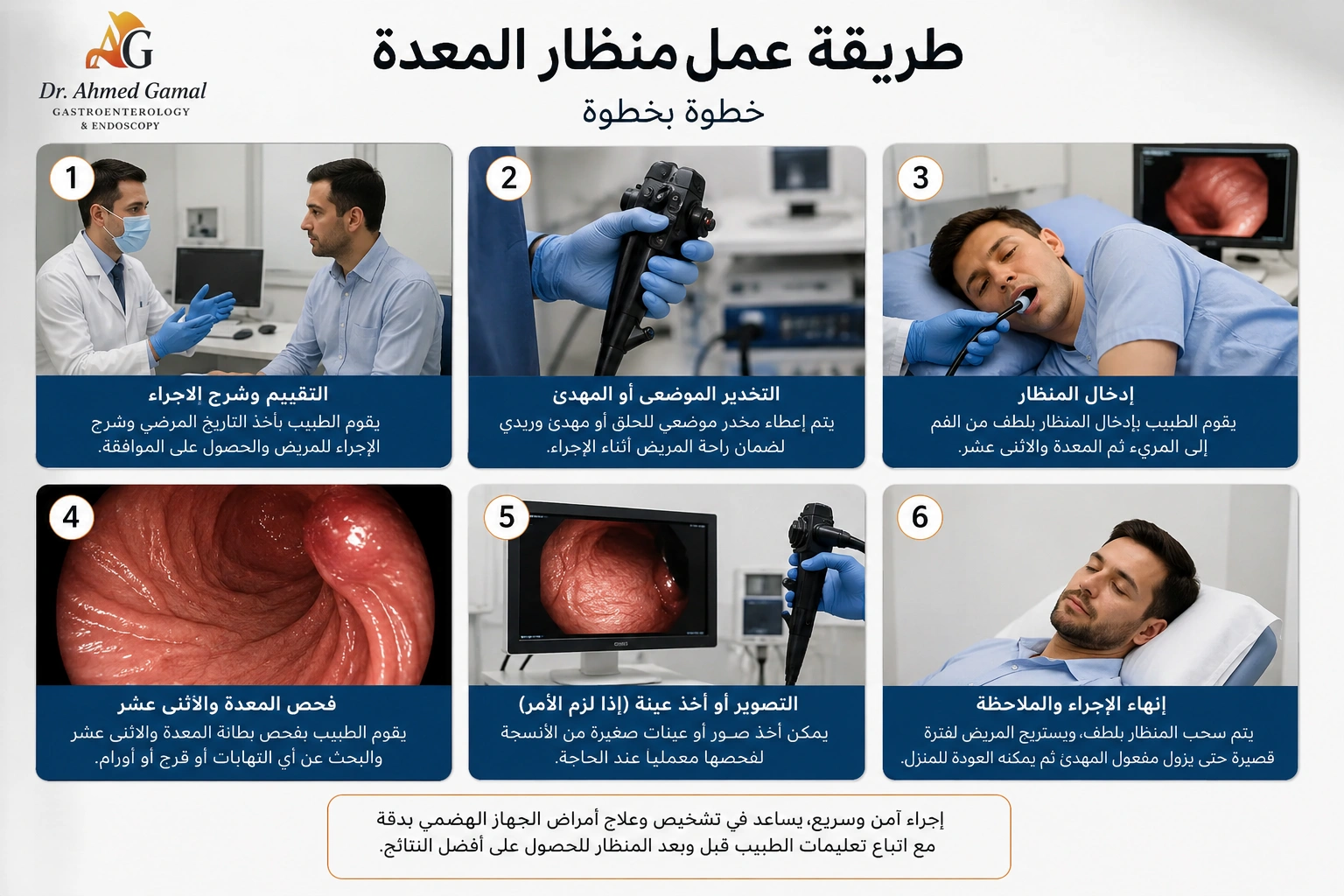
The Arabic expression often translated as “gastric sleeve by endoscopy” can cause confusion. Laparoscopic sleeve gastrectomy is surgery: instruments enter through abdominal incisions and part of the stomach is removed permanently. Endoscopic sleeve gastroplasty is a different procedure: a flexible endoscope passes through the mouth and internal sutures reduce stomach volume without removing the stomach.
These procedures differ in eligibility, expected weight loss, reversibility, risks and follow-up. A gastroenterologist or obesity team may assess non-surgical options, but laparoscopic sleeve gastrectomy must be planned and performed by a qualified bariatric surgical team in an appropriately equipped hospital.
Who may be considered for sleeve gastrectomy?
Eligibility depends on body mass index, obesity-related illness, previous treatment, operative risk and the ability to follow lifelong care. Surgery may be discussed for people with severe obesity, especially when diabetes, high blood pressure, sleep apnoea, fatty liver disease, joint problems or other complications are present. Current criteria can vary by guideline, health system and individual risk.
The operation is not a quick cosmetic solution. Candidates need to understand permanent anatomical change, possible complications, staged eating, protein goals, vitamin monitoring, physical activity and long-term review. Pregnancy plans, eating disorders, substance use, uncontrolled psychiatric illness and serious heart, lung or liver disease require careful specialist assessment.
Tests and preparation before surgery
A multidisciplinary programme commonly includes a bariatric surgeon, physician, dietitian, anaesthesia team and psychological support. Assessment may include:
- Complete medical and surgical history.
- Blood count, glucose control, kidney and liver tests.
- Iron, vitamin B12, folate, vitamin D and other nutritional markers.
- Heart, lung and sleep-apnoea evaluation when indicated.
- Medication review, including anticoagulants and diabetes treatment.
- Dietary, eating-behaviour and mental-health assessment.
- Pregnancy testing or family-planning discussion when relevant.
- Upper GI evaluation or gastroscopy in selected patients.
Patients may be asked to lose some weight before surgery, stop smoking and follow a short liver-reduction diet. Use only the instructions supplied by the treating team. Never stop regular medicines without medical direction.
How is the operation performed?
The procedure is performed under general anaesthesia. The surgeon makes small abdominal incisions, introduces a camera and specialised instruments, and frees the outer curve of the stomach. A sizing tube helps guide formation of the sleeve. Stapling devices divide the stomach vertically, and the removed portion is taken out through an incision.
The team checks the staple line and controls bleeding. Some centres use a leak test according to protocol. The exact technique and operative time vary with anatomy, previous surgery and clinical circumstances. Conversion to an open incision is uncommon but may be necessary for safety.
Potential benefits
Sleeve gastrectomy can produce meaningful weight loss and improve metabolic health. Some patients experience better blood-sugar control, lower blood pressure, improved sleep apnoea, greater mobility and reduced fatty-liver risk. Results vary and depend on pre-operative health, anatomy, eating behaviour, physical activity and follow-up.
Weight loss is usually fastest during the first months and slows later. Surgery is a tool that supports behaviour change; it cannot prevent weight regain if high-calorie drinks, frequent grazing or other patterns return.
Call +20 10 1129 5366Message on WhatsApp
Risks and possible complications
Early complications can include bleeding, infection, blood clots, anaesthetic problems, pneumonia and leakage from the staple line. A leak can cause severe infection and needs urgent treatment. Later problems can include narrowing or twisting of the sleeve, gallstones, reflux, ulcers, nutritional deficiencies and weight regain.
Severe or increasing abdominal or chest pain, fever, repeated vomiting, inability to drink, fast heart rate, breathing difficulty, fainting, leg swelling, black stools or wound discharge require urgent medical assessment. Follow the hospital's emergency instructions after discharge.
What about acid reflux?
Sleeve gastrectomy can worsen or trigger gastro-oesophageal reflux in some patients. Existing heartburn, regurgitation, swallowing difficulty, oesophagitis or hiatus hernia should be assessed before surgery. Gastroscopy, reflux testing or another bariatric procedure may be considered depending on the findings. The choice must be individual; no single operation is best for every patient.
Eating stages after sleeve gastrectomy
The bariatric programme provides a staged diet. It usually progresses from clear or full liquids to puréed food, soft food and then small portions of healthy solid food. Timing differs by programme and recovery. Protein and hydration are priorities, while sugary drinks, carbonated beverages and high-calorie snacks can undermine results.
- Take small sips throughout the day.
- Eat slowly and chew thoroughly.
- Stop at the first sign of fullness.
- Avoid drinking with meals if your programme advises it.
- Meet the prescribed protein target.
- Take supplements exactly as prescribed.
Vitamins and long-term monitoring
Even without an intestinal bypass, reduced intake can lead to iron, vitamin B12, folate, vitamin D, calcium, thiamine or protein deficiency. Regular blood tests and individual supplements are essential. Fatigue, weakness, numbness, persistent vomiting or hair loss deserve assessment rather than random supplement use.
Recovery and return to activity
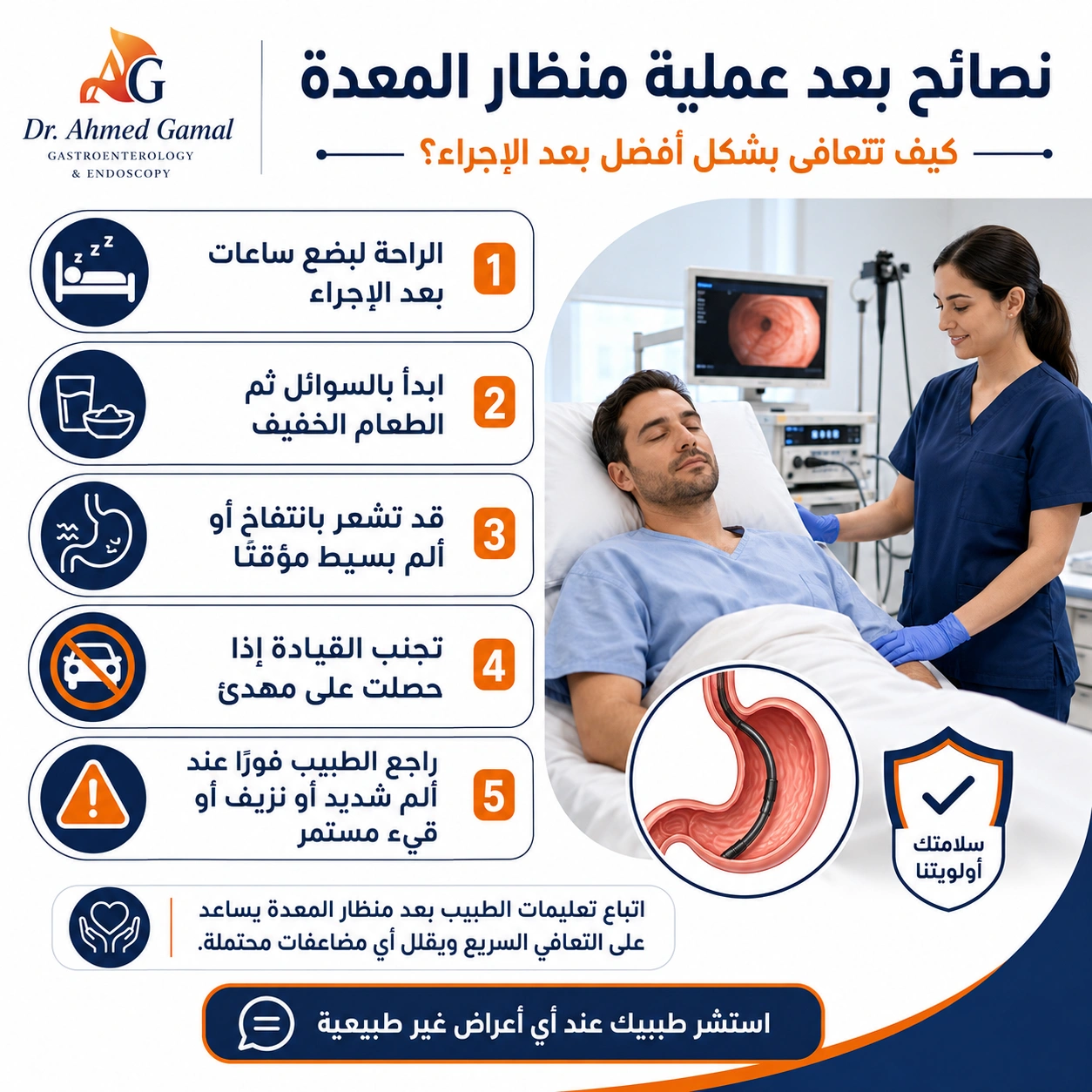
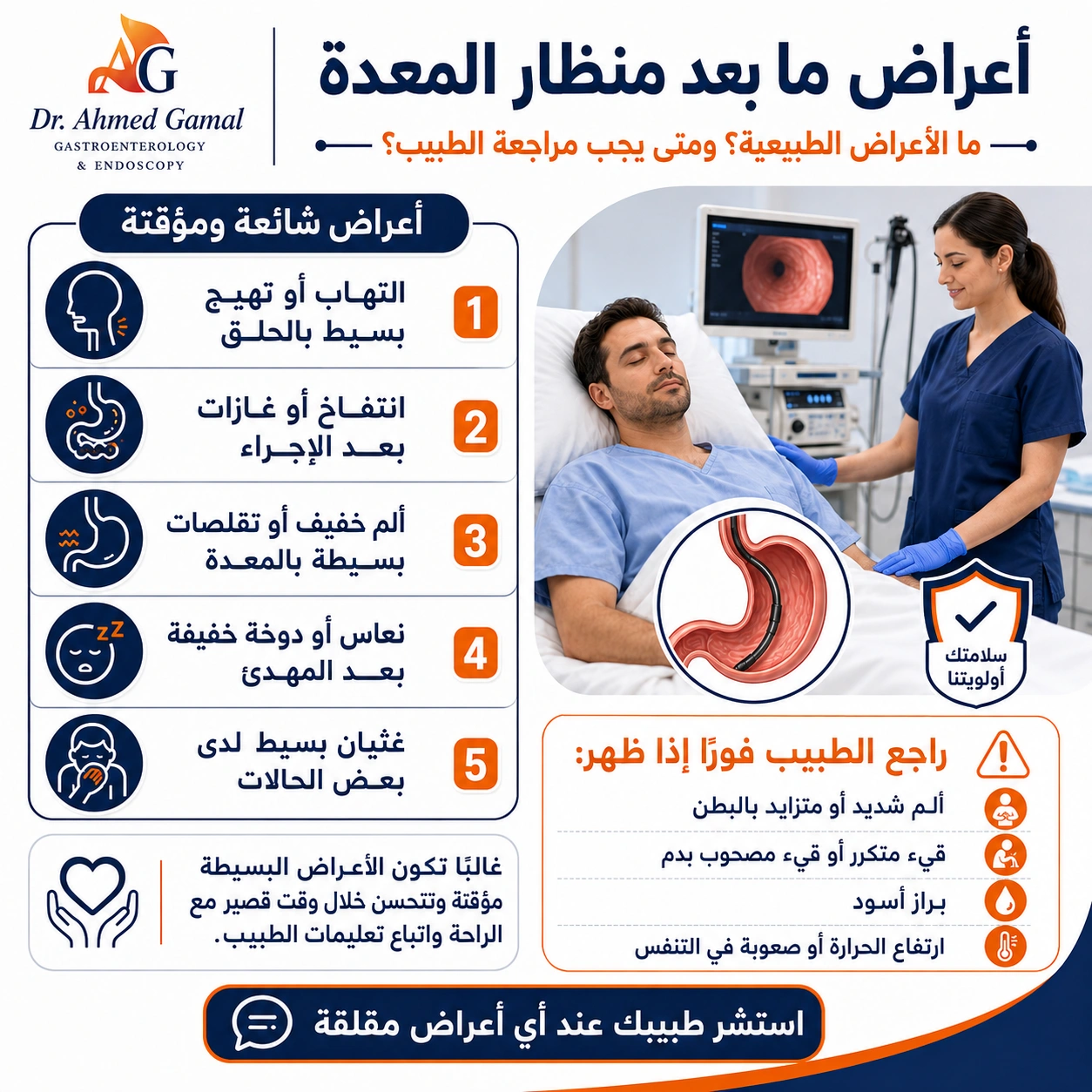
Hospital stay and return to work vary. Early walking helps reduce blood-clot and chest risks, while heavy lifting is restricted until the surgeon approves it. Pain, tiredness, constipation or gas discomfort can occur initially. Keep follow-up appointments, protect the wounds and report unexpected symptoms promptly.
Alternatives to sleeve gastrectomy
Options depend on BMI, health conditions and goals. They may include structured nutrition and behavioural care, prescription obesity medication, another bariatric operation, or selected endoscopic treatments. Dr Ahmed Gamal's site describes gastric balloon placement, gastric capsule placement and medically supervised GLP-1 treatment. These are not substitutes for surgery in every patient, but they may be discussed during an appropriate assessment.
Questions to ask before deciding
- Which diagnosis and BMI criteria support this recommendation?
- Is this laparoscopic surgery or an incision-free endoscopic procedure?
- Who performs the procedure and where?
- What results are realistic for my health profile?
- How will reflux risk be assessed?
- What are the leak, bleeding and readmission rates of the programme?
- What diet, supplements and tests will I need?
- Who provides urgent and long-term follow-up?
Frequently asked questions
Is laparoscopic sleeve gastrectomy reversible?
No. It permanently removes a large portion of the stomach. This is a key difference from some temporary or less invasive options.
Is it the same as endoscopic sleeve gastroplasty?
No. Laparoscopic sleeve gastrectomy removes stomach tissue through abdominal incisions. Endoscopic sleeve gastroplasty uses internal sutures passed through the mouth and removes no stomach tissue.
Can weight return after surgery?
Some regain is possible. Long-term nutrition, physical activity, medical review and early help for returning eating patterns improve weight maintenance.
Can sleeve gastrectomy cause reflux?
It can worsen or cause reflux in some patients. Symptoms and oesophageal health should be assessed before choosing the operation.
Will I need vitamins?
Many patients require prescribed supplements and regular blood tests. The exact plan depends on diet, laboratory results and the bariatric programme.
When can pregnancy be planned?
Pregnancy is usually delayed while weight loss is rapid and nutrition is stabilising. The appropriate interval and contraception plan must be discussed with the bariatric and obstetric teams.
This article offers general education. It does not confirm eligibility for surgery or replace assessment by a qualified bariatric surgical and multidisciplinary team.
Other Articles