Does Endoscopy Detect Stomach Cancer? A Comprehensive Guide to Screening and Early Diagnosis
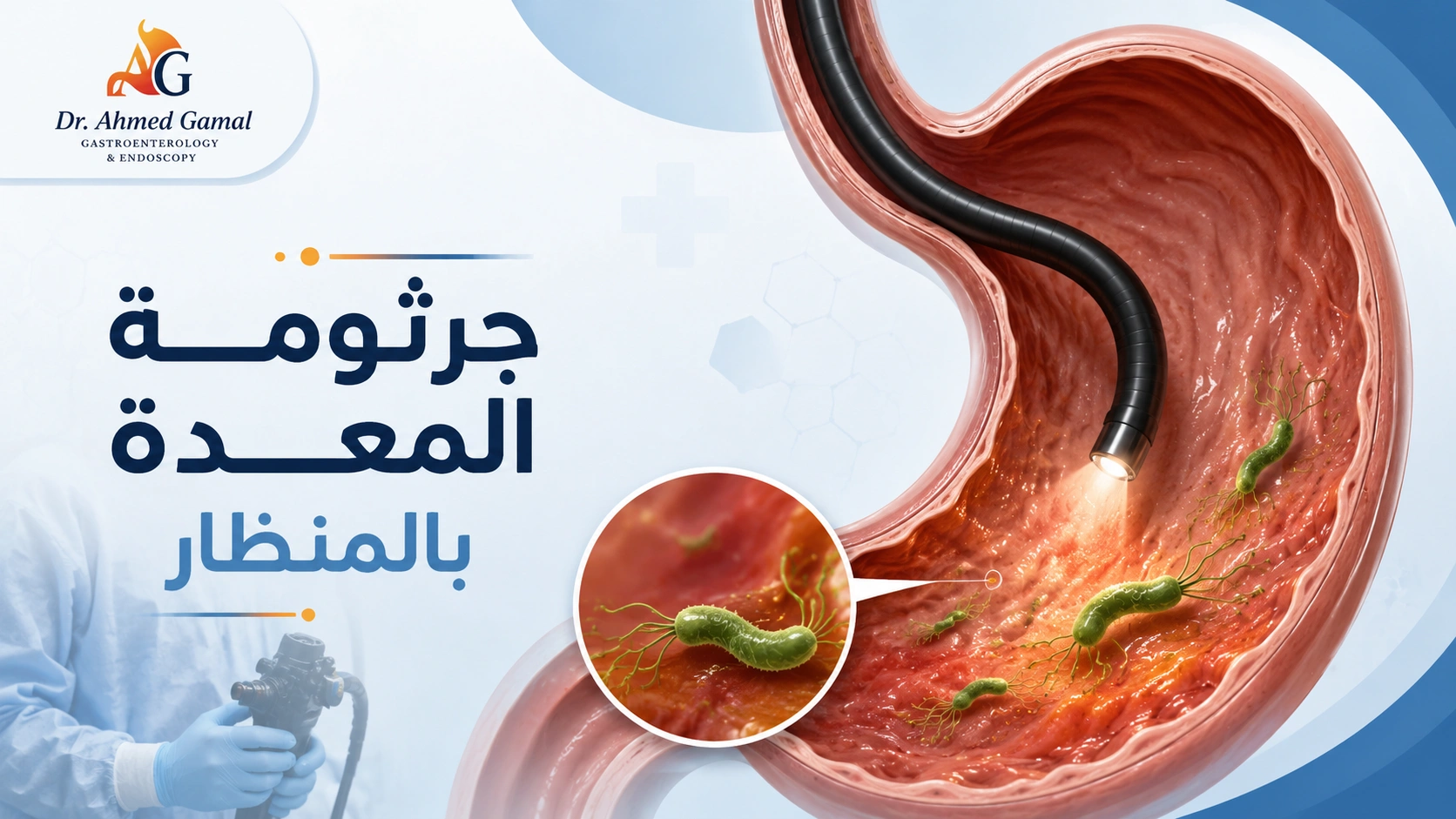
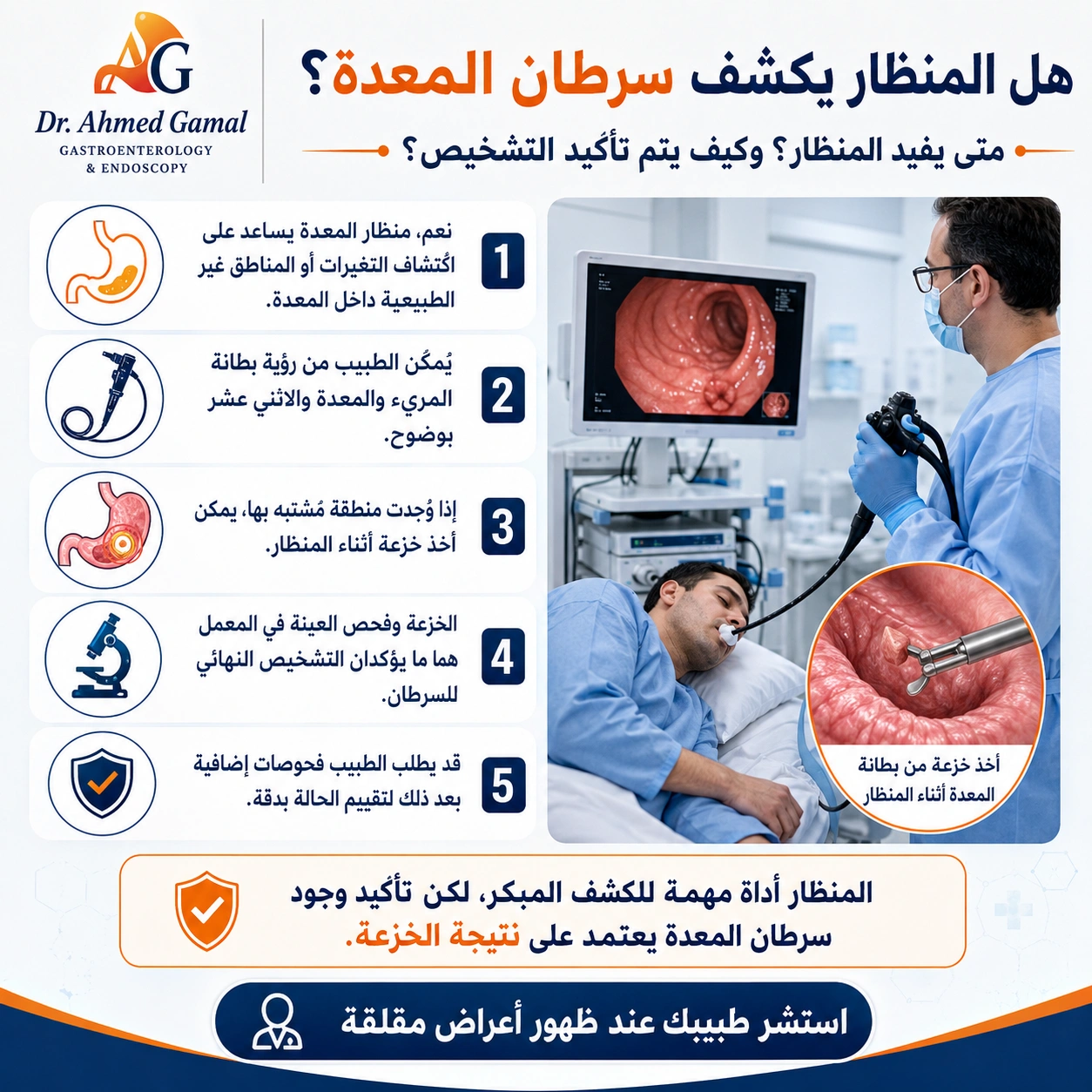
Does endoscopy detect stomach cancer? Upper gastrointestinal endoscopy, also called gastroscopy, is one of the main tests used to find suspicious changes inside the stomach. Dr Ahmed Gamal explains that the camera examination can identify an abnormal area, but a definite cancer diagnosis usually requires a biopsy examined by a pathologist. The test can also reveal non-cancerous causes of symptoms, including inflammation, ulcers, bleeding, and polyps.
Does endoscopy detect stomach cancer accurately?
Gastroscopy gives the doctor a direct, magnified view of the esophagus, stomach, and first part of the small intestine. It can show a mass, an irregular ulcer, abnormal thickening, bleeding, colour change, or altered surface pattern. These findings can raise or lower suspicion, but appearance alone usually cannot prove whether cells are cancerous.
If an area looks abnormal, small tissue samples can be taken through the endoscope. Laboratory examination of the biopsy distinguishes inflammation, infection, benign tissue, precancerous change, and cancer. Several samples may be taken because a lesion can contain different areas.
What is a gastroscopy?
A gastroscopy uses a thin flexible tube with a camera and light. It passes through the mouth while the patient lies on the side. A local anaesthetic throat spray, sedation, or both may be used according to the patient's condition and the facility's protocol. The procedure allows examination, photography, biopsy, and selected treatments such as stopping bleeding or removing a small polyp.
Why is biopsy essential?
Inflammation and benign ulcers can sometimes resemble a tumour, while an early cancer may look subtle. Histology is therefore needed to confirm the cell type. The pathologist may also report whether tissue is normal, inflamed, infected with H. pylori, dysplastic, or malignant. Taking a biopsy does not mean cancer has already been diagnosed; it is a routine way to obtain reliable information.
Does a stomach biopsy hurt?
Most people do not feel the tissue sample being taken because the stomach lining does not sense cutting in the same way as skin. The main discomfort is usually related to the scope in the throat, air used to expand the stomach, or temporary bloating. Sedation can reduce awareness, but it requires monitoring and a responsible adult to accompany the patient home.
Symptoms that may lead to gastroscopy
Stomach cancer is not the most likely cause of every digestive symptom. However, a doctor may recommend endoscopy when symptoms persist, worsen, or occur with warning signs such as:
- Unexplained weight loss.
- Repeated vomiting or vomiting blood.
- Black, tarry stool.
- Iron-deficiency anaemia without a clear cause.
- Difficulty or pain when swallowing.
- Persistent upper-abdominal pain.
- Loss of appetite or early fullness after a small meal.
- A gastric ulcer that does not heal as expected.
- A strong family history or another important risk factor.
Urgent medical care is needed for major bleeding, fainting, severe weakness, or sudden severe pain. Endoscopy timing depends on the severity and the patient's stability.
Can early stomach cancer be seen?
Endoscopy can detect early lesions, but early changes may be flat, small, or similar in colour to the surrounding lining. Detection depends on careful inspection, cleaning of the stomach surface, image quality, procedure time, endoscopist training, and appropriate biopsy. A previous normal test does not justify ignoring new alarm symptoms.
Can blood tests diagnose stomach cancer?
Blood tests may show anaemia, iron deficiency, inflammation, or effects on nutrition and organ function. These findings help assess the patient but cannot confirm or exclude stomach cancer on their own. Tumour markers are not a substitute for gastroscopy and biopsy in someone with a suspicious stomach lesion.
Can scans replace endoscopy?
CT, ultrasound, and other imaging can be valuable, especially after a diagnosis to assess spread and plan treatment. They do not always show small surface changes and cannot take a standard tissue biopsy from the stomach lining. Gastroscopy and imaging answer different questions and are often complementary.
What happens during the procedure?
- The team checks symptoms, medical history, allergies, medicines, and fasting.
- Vital signs are recorded and sedation options are discussed.
- The patient lies on the left side and a mouth guard is placed.
- The endoscope is passed gently through the mouth.
- The esophagus, stomach, and duodenum are inspected systematically.
- Photographs and biopsies are taken when indicated.
- The patient is observed after the scope, especially if sedation was used.
The visual result may be discussed soon after the procedure. Biopsy results take longer because tissue must be processed and reviewed. Ask the clinic when and how results will be communicated, and who will explain the next step.
How should you prepare?
Follow the exact fasting instructions from the unit. The doctor must know about anticoagulants, antiplatelet medicines, diabetes treatment, allergies, heart or lung disease, pregnancy, and previous reactions to sedation. Do not stop prescribed medicine without advice. Arrange transport and avoid driving after sedation.
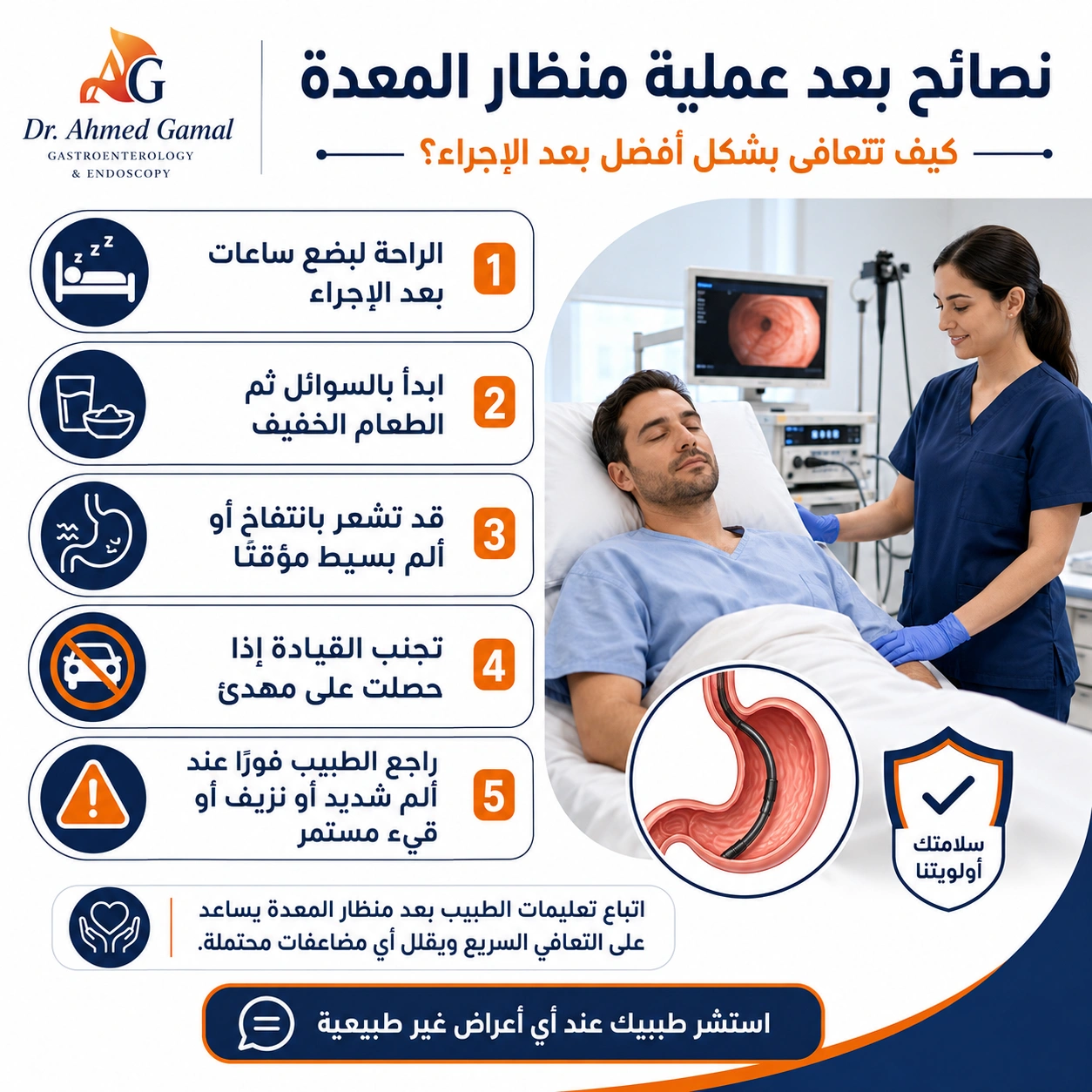
The related guide on care after gastroscopy explains common temporary symptoms and recovery precautions.
Is gastroscopy safe?
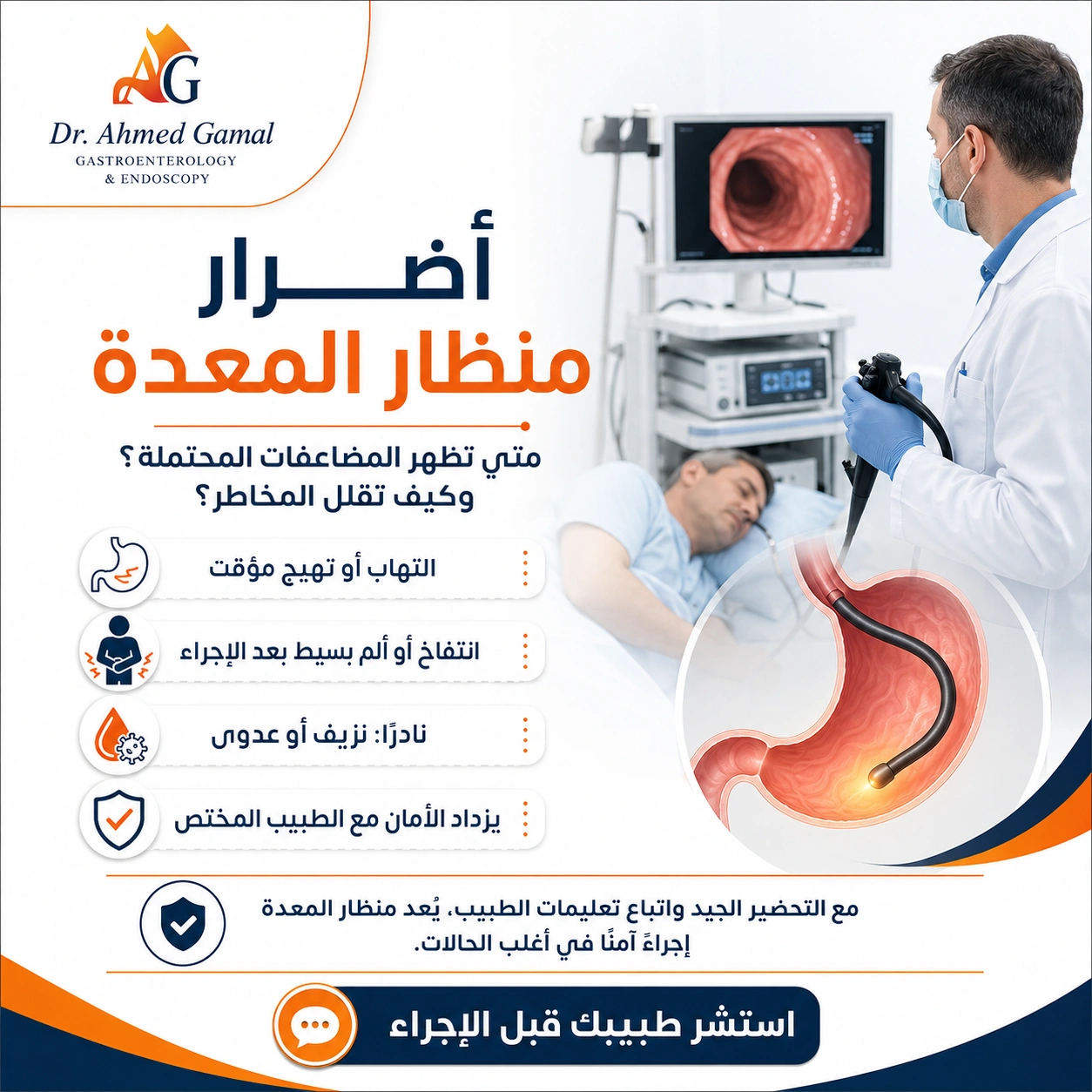
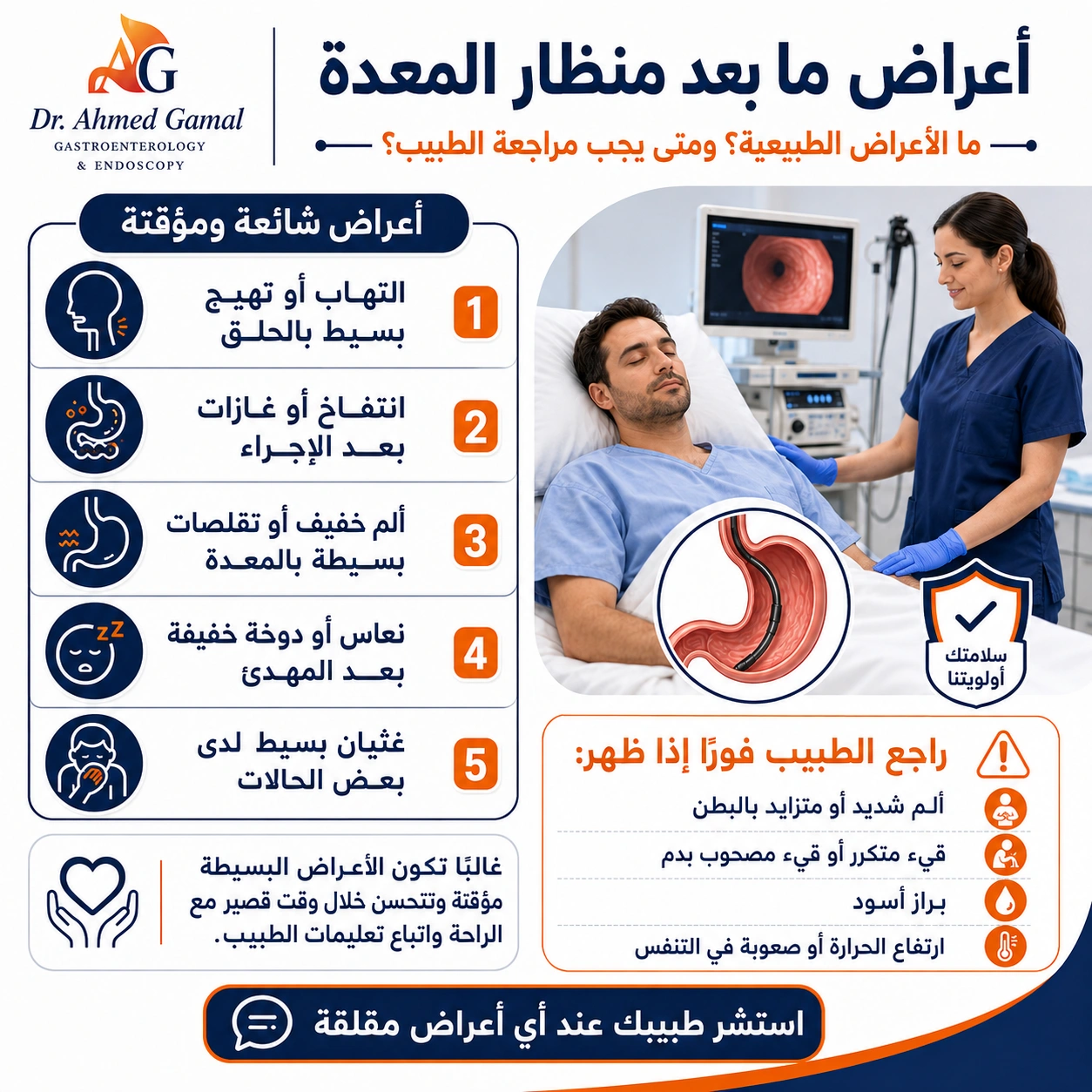
Diagnostic gastroscopy is generally safe. Temporary sore throat, bloating, or mild nausea can occur. Bleeding after biopsy is uncommon and usually minor. More serious complications such as significant bleeding, perforation, or a reaction to sedation are rare but require prompt treatment.
Seek urgent advice after the procedure for severe or increasing chest or abdominal pain, breathing difficulty, fever, repeated vomiting, vomiting blood, black stool, fainting, or marked weakness.
What can the result show?
A report may describe a normal examination, gastritis, an ulcer, reflux-related changes, a polyp, bleeding, narrowing, or an area requiring biopsy. A biopsy result may show benign inflammation, H. pylori infection, dysplasia, cancer, or tissue that is insufficient for a firm conclusion.
An inconclusive sample does not automatically mean cancer. The doctor may correlate the report with imaging, repeat biopsies, or refer the case for specialist review when suspicion remains.
What happens if cancer is confirmed?
Confirmation begins a staging process rather than ending the assessment. Further tests may include CT and, in selected cases, endoscopic ultrasound or other imaging. A multidisciplinary team reviews the tumour's site, depth, spread, cell features, the patient's health, and treatment preferences.
Treatment can involve endoscopic removal for a very selected early lesion, surgery, chemotherapy, targeted therapy, immunotherapy, or a combination. The plan is individual. The clinic's GI tumour detection and polyp service provides related information, while confirmed cancers require coordinated oncology and surgical care.
Reducing avoidable risk
- Test and treat H. pylori when a clinician recommends it.
- Do not ignore a recurrent or non-healing ulcer.
- Stop smoking.
- Limit heavily salted and smoked foods.
- Maintain a balanced diet with fruit and vegetables.
- Investigate unexplained anaemia or weight loss.
- Avoid prolonged unsupervised use of painkillers that can injure the stomach.
There is no prevention method that removes all risk. Individual screening or surveillance decisions depend on personal and family history and should be discussed with a gastroenterologist.
Why consult Dr Ahmed Gamal?
Dr Ahmed Gamal assesses upper digestive symptoms and the medical reasons for gastroscopy. The aim is to select the right investigation, perform systematic inspection, obtain biopsies when indicated, and explain the result and follow-up. Explore the clinic's digestive and endoscopy services for related options.
Medical note: This article is educational and does not diagnose cancer. Seek prompt care for alarm symptoms and discuss testing with a qualified doctor.
Frequently asked questions
Can endoscopy detect stomach cancer on the first examination?
It often identifies a suspicious area during the first examination, but confirmation generally depends on adequate biopsy samples. A repeat examination may be advised if samples are insufficient or clinical concern remains.
Is biopsy necessary to confirm stomach cancer?
Yes, tissue examination is usually required because visual appearance alone cannot reliably distinguish every benign, precancerous, and malignant change.
Does stomach cancer appear in a blood test?
Blood tests may reveal anaemia or other indirect changes, but they cannot confirm or exclude stomach cancer by themselves.
Can endoscopy be normal despite symptoms?
Yes. Symptoms can arise from functional disorders or conditions that do not create visible structural changes. The doctor interprets the result with the history and other tests.
Is gastroscopy painful?
Most people describe pressure, gagging, or temporary discomfort rather than pain. Throat spray and sedation options can improve comfort when medically appropriate.
Other Articles