GERDx Procedure for GERD Treatment: A Comprehensive Medical Guide
The GERDx procedure for GERD treatment is a minimally invasive endoscopic technique designed to reinforce the natural barrier between the stomach and the oesophagus. It is performed through the mouth without abdominal incisions. GERDx may be considered for carefully selected people with objectively confirmed gastroesophageal reflux disease, especially when symptoms persist despite correctly used medication or when long-term medication is undesirable.
What is GERDx?
GERDx is an endoscopic full-thickness plication system. During the procedure, a specialist creates one or more folds near the gastroesophageal junction. These folds aim to improve the valve mechanism that normally limits reflux. The procedure does not remove part of the stomach and does not reroute the digestive tract.
How the procedure may reduce reflux
Reflux develops when the lower oesophageal sphincter, diaphragm and flap valve do not provide an effective barrier. GERDx gathers tissue at the upper stomach and secures it to reshape this area. In suitable patients, this may reduce regurgitation, heartburn episodes and dependence on proton pump inhibitors. Results vary, and symptom improvement does not always mean acid exposure has completely normalised.
Who may be suitable?
A decision should be based on tests rather than symptoms alone. A possible candidate usually has typical reflux symptoms, objective evidence of abnormal reflux and no large hiatal hernia or major oesophageal motility disorder.
- Heartburn or regurgitation linked to proven reflux.
- Partial response to correctly timed acid-suppressing treatment.
- A small or absent hiatal hernia.
- No severe oesophagitis, obstruction or unexplained swallowing difficulty.
- Realistic expectations about benefits, medication use and follow-up.
When GERDx may not be appropriate
The technique is not suitable for every person with heartburn. Functional heartburn, severe motility disorders, advanced oesophagitis, large hiatal hernia, suspected cancer, uncontrolled bleeding risk and conditions that make anaesthesia unsafe require another plan. A large anatomical defect may be better addressed with surgical hernia repair and fundoplication.
Tests before GERDx
Upper endoscopy
Gastroscopy helps assess oesophagitis, narrowing, Barrett's changes, ulcers and the size of a hiatal hernia. Biopsies may be taken when needed.
pH or impedance monitoring
This test records acid and non-acid reflux and whether episodes match symptoms. It is especially valuable when endoscopy does not show clear inflammation.
Oesophageal manometry
Manometry evaluates swallowing contractions and lower sphincter function. It can reveal motility disorders that could affect treatment choice or the risk of post-procedure dysphagia.
What happens during the procedure?
- The patient fasts as instructed and receives an anaesthetic assessment.
- Under general anaesthesia, an upper endoscopy confirms the anatomy.
- The GERDx device passes through the mouth into the stomach.
- The specialist positions it below the oesophageal junction and creates full-thickness folds with dedicated fasteners.
- The area is inspected for bleeding, injury and the final shape of the valve.
- The patient is monitored during recovery before discharge or short observation.
Potential benefits
- No abdominal incision.
- No removal of stomach tissue.
- Shorter recovery than many surgical procedures.
- Possible improvement in heartburn and regurgitation.
- Possible reduction in acid-suppressing medicine for selected patients.
These are potential benefits. GERDx is not automatically superior to medication or surgery, and the available long-term evidence is more limited than it is for established antireflux operations.
Risks and limitations
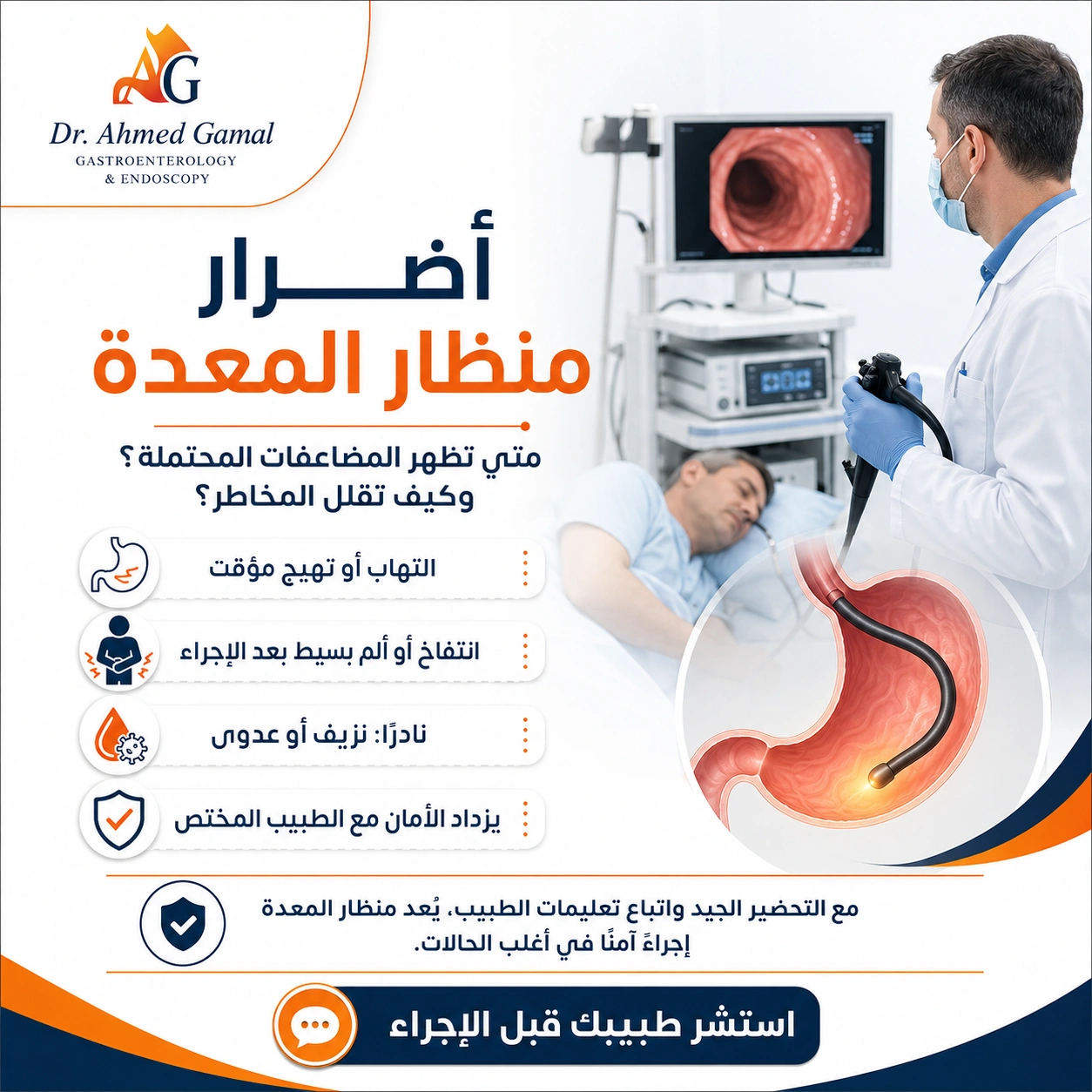
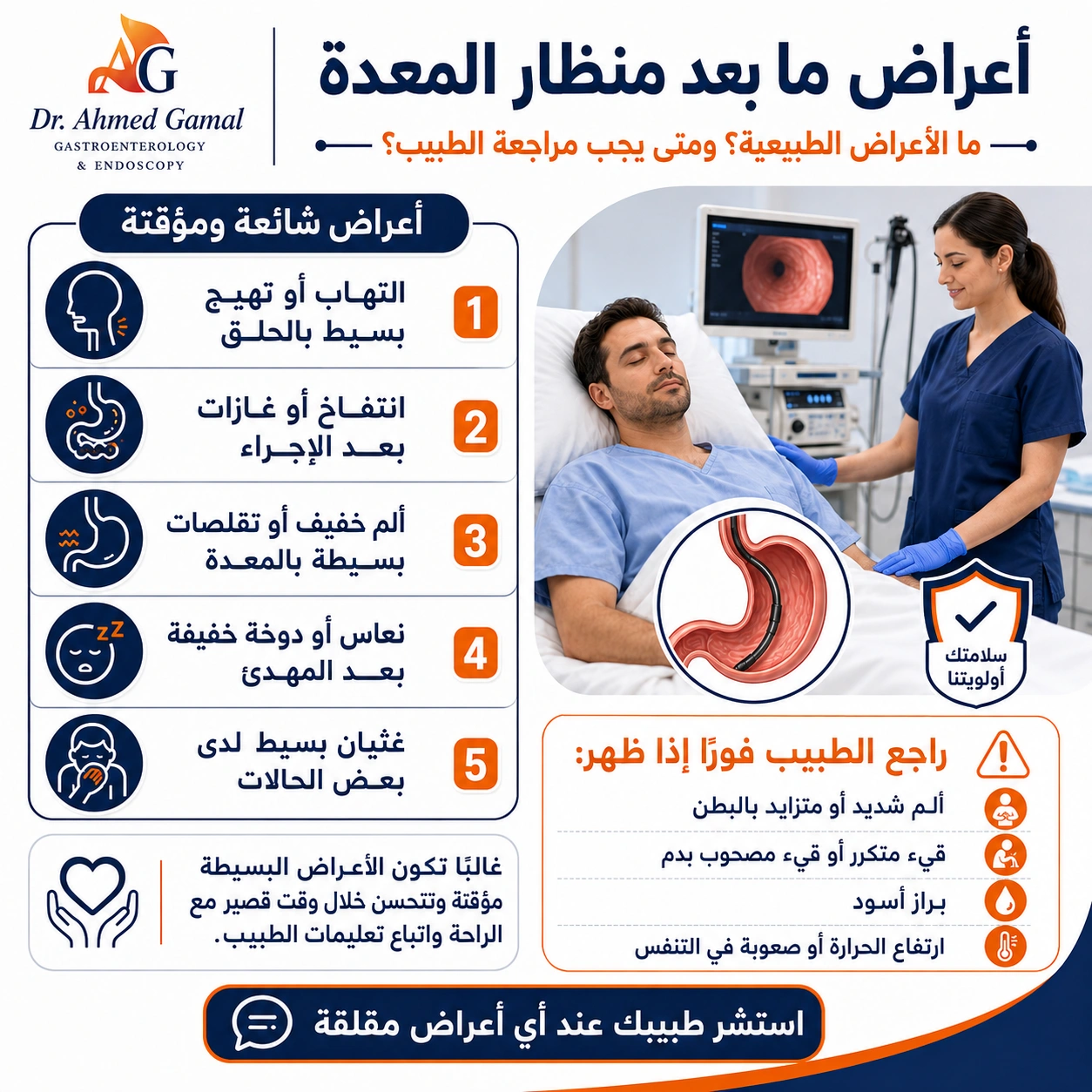
Temporary sore throat, chest or upper abdominal discomfort, nausea, bloating and swallowing difficulty can occur. Less common but significant risks include bleeding, infection, perforation, leakage, failed fasteners, anaesthetic complications and the need for endoscopic or surgical treatment. Symptoms can persist or return, and some patients continue acid-suppressing medication.
Recovery after GERDx
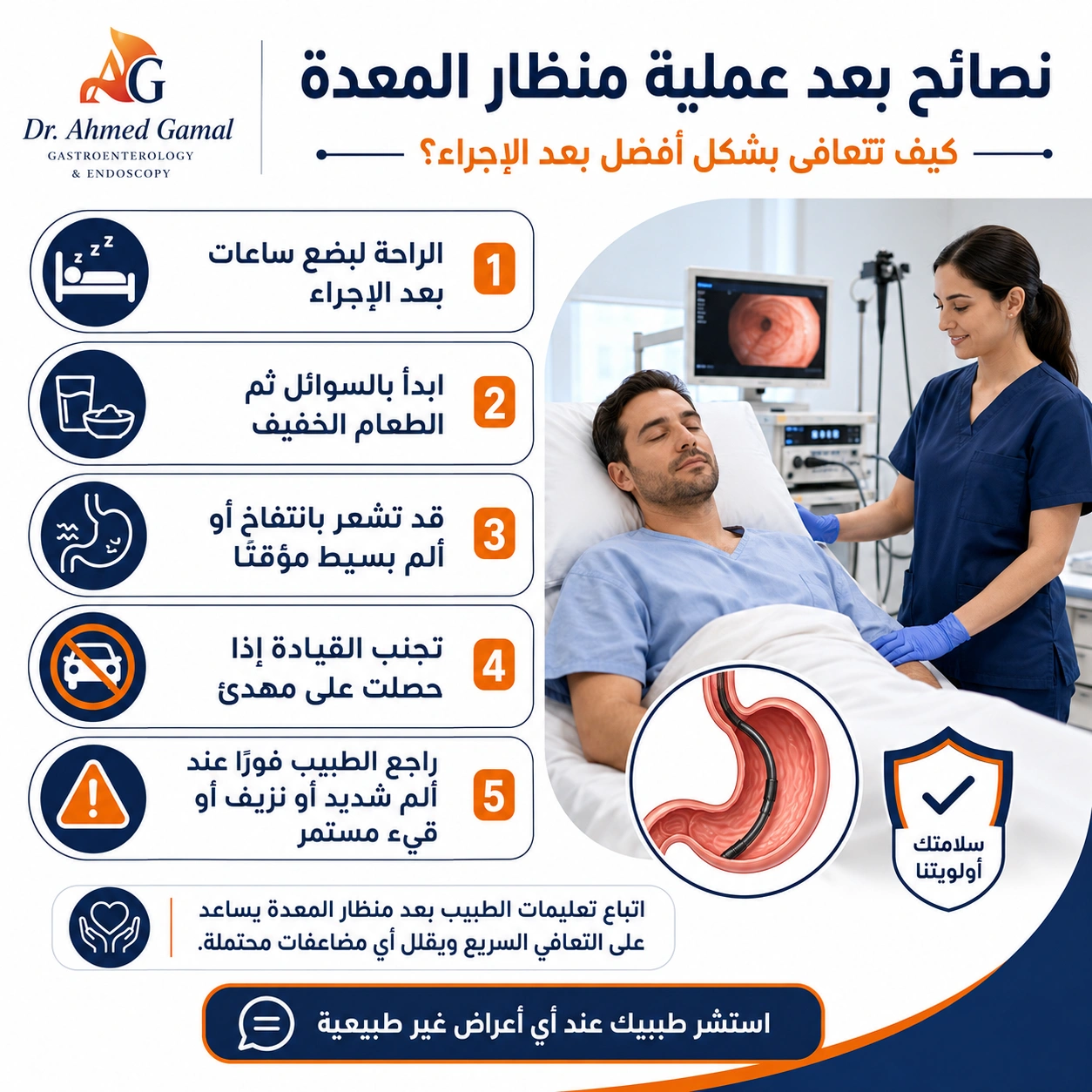
Patients commonly start with clear liquids and advance through full liquids and soft foods according to the treating team's plan. Small portions, careful chewing and avoiding strenuous activity may be advised temporarily. Prescribed medication should continue until the specialist says it can be changed.
Urgent medical review is needed for severe or increasing chest or abdominal pain, inability to swallow liquids, repeated vomiting, vomiting blood, black stools, fever, shortness of breath, fainting or sudden marked abdominal swelling.
GERDx, medication or surgery?
Lifestyle measures and medicines remain first-line care for many people. GERDx aims to improve the barrier mechanically and may suit selected patients with proven reflux and limited anatomical disruption. Surgery has more established evidence and can repair a large hiatal hernia, but it is more invasive. The best choice depends on endoscopy, reflux monitoring, manometry, body weight, symptom pattern and personal priorities.
Why specialist assessment matters
Dr Ahmed Gamal reviews symptoms, medicine timing and the results of gastroscopy, pH testing and manometry before recommending a procedure. This helps separate true reflux from conditions that feel similar and reduces the risk of treating the wrong problem. Explore the clinic's digestive and endoscopy services.
Frequently asked questions
Is GERDx a permanent cure for GERD?
No procedure can guarantee a permanent cure. Some patients improve and use less medication, while others continue treatment or experience recurrent symptoms.
Is GERDx painful?
It is performed under anaesthesia. A sore throat, chest discomfort or temporary swallowing difficulty can occur during early recovery.
Can GERDx treat a hiatal hernia?
It may be considered with a small hernia in selected cases, but it does not repair a large hernia.
When can I return to work?
This depends on recovery and the physical demands of the job. Many patients return to light activity within days, following their doctor's instructions.
Medical notice: This page is for education and does not replace an examination. Do not stop or change reflux medication without medical advice.
Medical references
Other Articles