Pediatric Gastroenterologist: When Does Your Child Need to See a Specialist?
A pediatric gastroenterologist evaluates digestive, liver, pancreatic, nutrition, and growth problems in babies, children, and teenagers. This guide from the Dr Ahmed Gamal website explains when a child may need specialist care, which warning signs require urgent help, and how parents can prepare for an appointment. Always confirm that the chosen doctor and facility are appropriately trained and equipped for your child's age before booking.
Pediatric Gastroenterologist: when is specialist care needed?
Many short-lived stomach upsets can be managed first by a general pediatrician. Referral to pediatric gastroenterology becomes useful when symptoms are severe, persistent, recurrent, unexplained, associated with poor growth, or require age-specific testing. Children may describe pain differently from adults, and babies may show illness through feeding refusal, irritability, vomiting, or slow weight gain.
What does a pediatric gastroenterologist treat?
The specialty covers conditions affecting the esophagus, stomach, bowel, liver, pancreas, and nutrition. Common referrals include chronic abdominal pain, constipation, prolonged diarrhoea, repeated vomiting, reflux, swallowing difficulty, gastrointestinal bleeding, inflammatory bowel disease, coeliac disease, liver disorders, pancreatic disease, food-related problems, and faltering growth.
Care is adjusted for age, development, body weight, nutrition, and family circumstances. Tests and medicine doses used for adults cannot simply be applied to children.
Symptoms that deserve an appointment
- Abdominal pain that keeps returning or interrupts sleep or school.
- Repeated vomiting or frequent vomiting after feeds.
- Persistent diarrhoea or severe constipation.
- Blood or mucus in the stool.
- Poor appetite, weight loss, or slow growth.
- Marked bloating or abdominal swelling.
- Difficulty or pain when swallowing.
- Persistent reflux or heartburn.
- Yellow skin or eyes, dark urine, or pale stools.
- Unexplained feeding refusal or distress in an infant.
The presence of a symptom does not identify its cause. Constipation, infection, food intolerance, inflammation, and functional disorders can overlap, so diagnosis should be based on the history and examination.
Warning signs that need urgent care
Seek urgent medical help for sudden severe abdominal pain, a rigid or very swollen abdomen, vomiting blood, black stool, significant fresh blood in stool, green vomit in an infant, severe dehydration, unusual drowsiness, fainting, or high fever with worsening pain. Reduced urination, a dry mouth, absent tears, and lethargy can indicate dehydration.
Common digestive problems in children
Chronic constipation
Constipation may follow low fluid or fibre intake, painful stool withholding, toilet anxiety, routine changes, or medicines. Persistent constipation can cause pain, poor appetite, anal fissures, and stool leakage. Treatment often combines an age-appropriate medicine plan with regular toilet sitting, fluids, food changes, and follow-up.
Repeated or prolonged diarrhoea
Diarrhoea can result from infection, temporary lactose intolerance, food allergy, coeliac disease, inflammation, or another absorption problem. Duration, stool appearance, fever, travel, antibiotic use, weight change, and hydration help guide testing.
Reflux in babies and children
Small-volume reflux is common in healthy babies and often improves with growth. Medical review is important when vomiting is forceful or green, feeds are refused, breathing symptoms occur, pain is persistent, or weight gain is poor. Older children may report heartburn, sour regurgitation, cough, or swallowing discomfort.
Food allergy and intolerance
Food-related symptoms can include vomiting, diarrhoea, blood in stool, bloating, pain, rash, or poor growth. Parents should avoid removing milk, gluten, or several food groups without advice because unnecessary restriction can cause nutritional deficiencies.
Recurrent abdominal pain
Pain may relate to constipation, infection, stress, functional gut-brain disorders, inflammation, or another condition. Pain that wakes a child, causes weight loss, occurs with repeated vomiting or blood, or steadily worsens needs prompt assessment.
Liver problems
Yellow eyes or skin, dark urine, pale stools, easy bruising, persistent itching, abdominal swelling, or abnormal liver tests can require specialist evaluation. Causes vary with age and may need coordinated pediatric liver care.
What happens during the consultation?
The clinician asks when symptoms began, how often they occur, their relationship to food and bowel movements, and whether the child has fever, vomiting, diarrhoea, constipation, bleeding, weight loss, or feeding difficulty. Medicines, allergies, previous illnesses, family history, school stress, and dietary patterns may also matter.
The examination may include weight and height plotted on a growth chart, hydration, the abdomen, skin and eyes, mouth, and signs of nutritional deficiency. A growth trend is often more useful than a single measurement.
Tests a child may need
Not every child needs blood tests, scans, or endoscopy. Testing should answer a clear clinical question. Depending on the case, it may include a blood count, inflammatory markers, liver tests, coeliac screening, stool analysis or culture, ultrasound, or a specific test for infection or malabsorption.
Does every child with stomach pain need endoscopy?
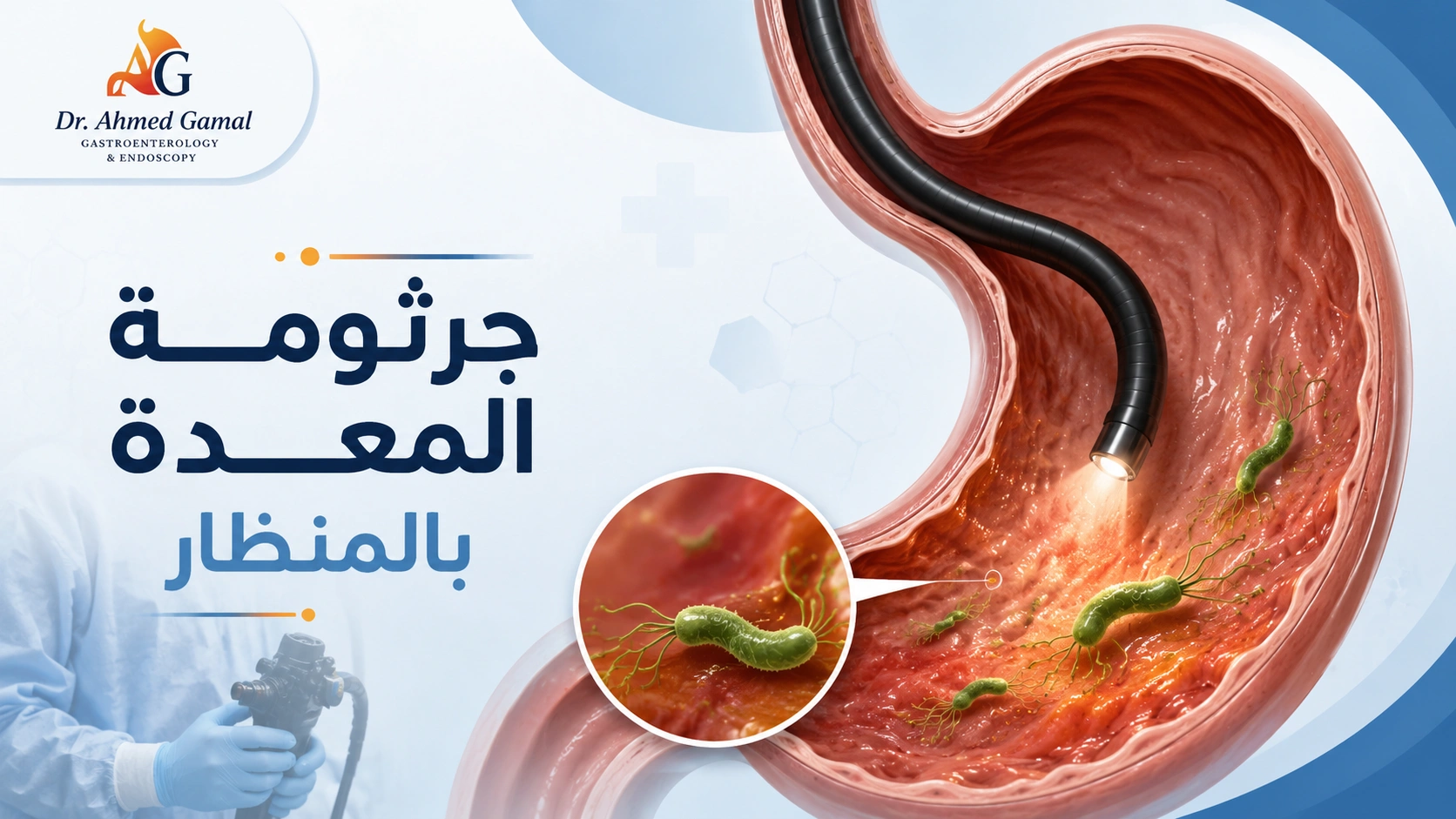
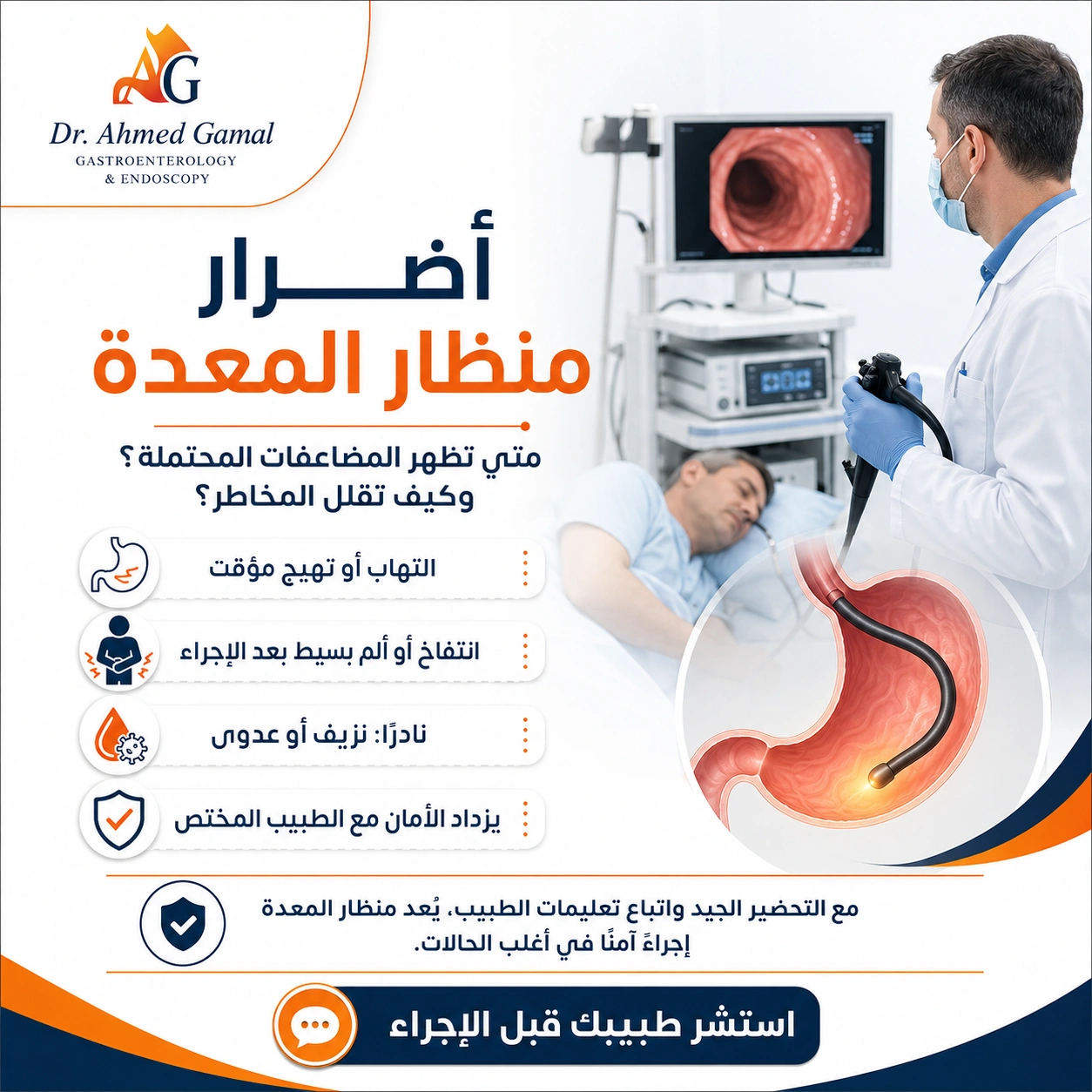
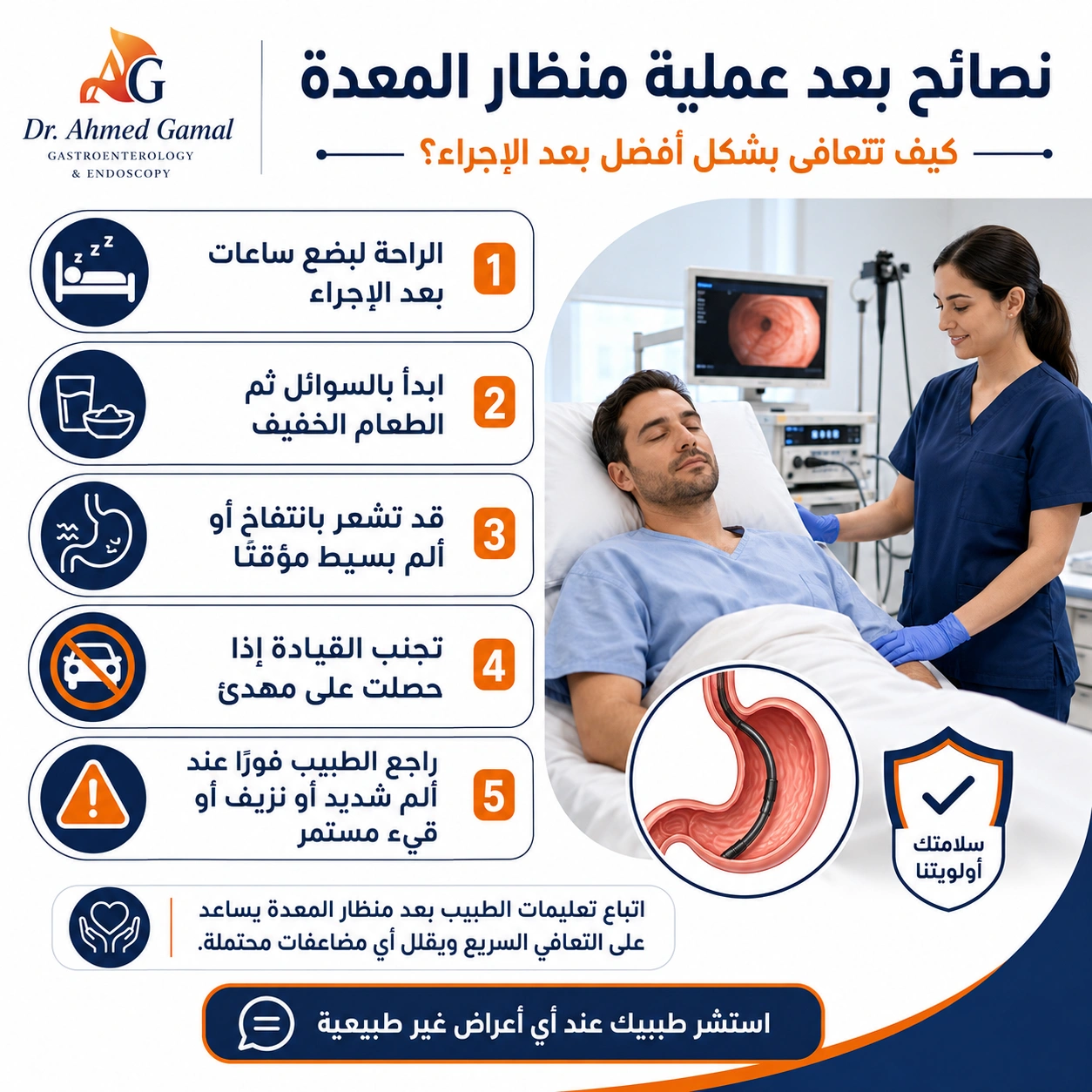
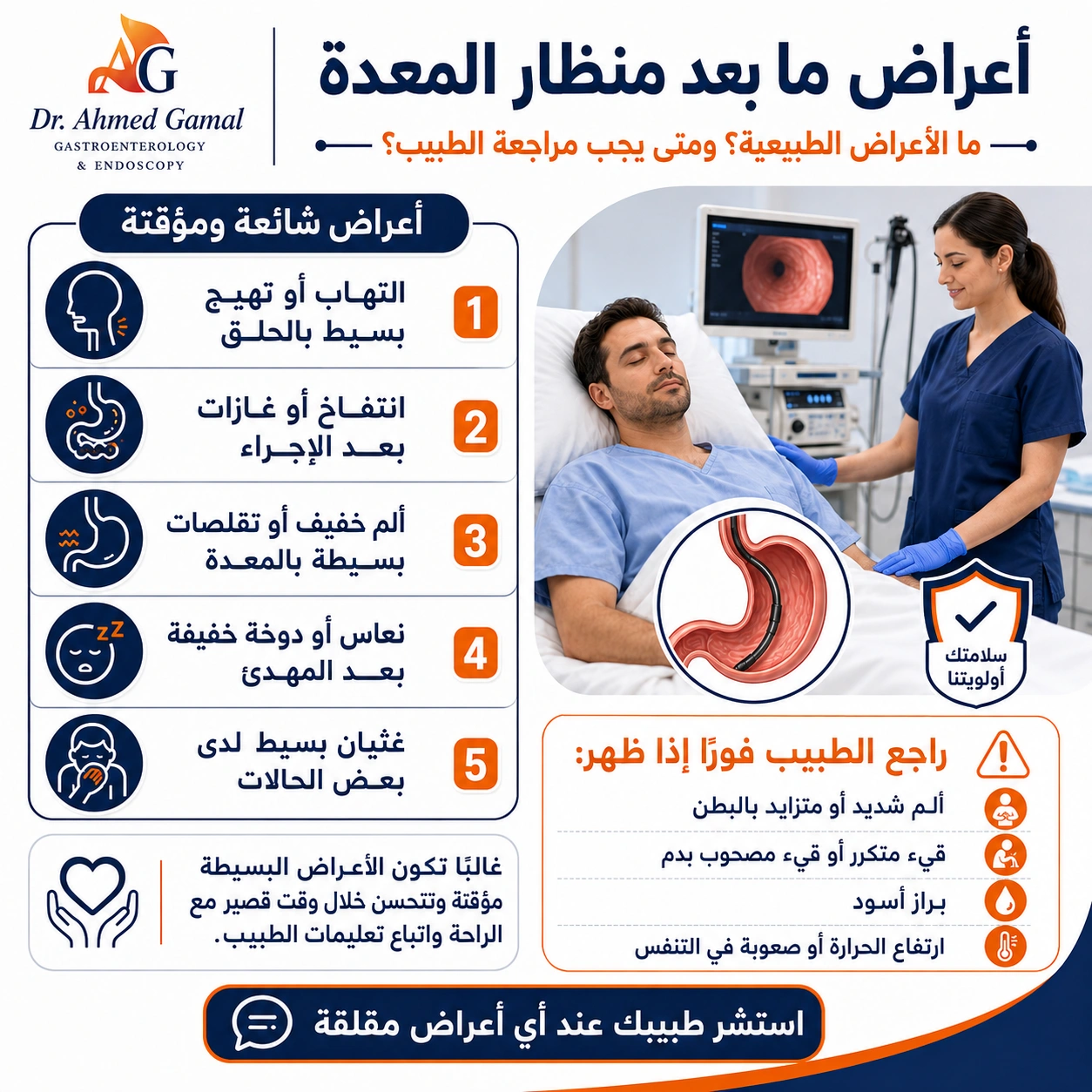
No. Endoscopy is reserved for selected cases such as gastrointestinal bleeding, persistent unexplained vomiting, swallowing difficulty, suspected inflammation, significant alarm signs, or failure to improve after an appropriate plan. Pediatric endoscopy requires a suitably trained team, child-sized equipment, age-appropriate anaesthesia or sedation, and an equipped facility.
The clinic's general information about gastroscopy and colonoscopy can explain what these procedures examine, but parents must confirm pediatric suitability directly before arranging any procedure.
Treatment depends on the diagnosis
There is no single medicine for every digestive complaint. A plan may include oral rehydration, constipation treatment, nutritional support, reflux management, treatment of a confirmed infection, a supervised elimination diet, or longer follow-up for an inflammatory or liver condition. Antibiotics, antidiarrhoeal products, laxatives, acid medicines, and herbal remedies should not be given randomly.
How parents can support digestive health
- Offer balanced meals appropriate for age and growth.
- Encourage water and regular physical activity.
- Include suitable sources of fibre unless the clinician advises otherwise.
- Keep regular meal and toilet routines.
- Avoid forcing large portions.
- Teach hand washing before food and after the toilet.
- Do not use antibiotics without a prescription.
- Track symptoms, stool pattern, food, and weight when asked.
How to choose the right pediatric specialist
Ask about pediatric gastroenterology training, experience with the child's age and condition, the hospital or facility used for procedures, anaesthesia arrangements, emergency support, and follow-up. A good consultation should explain the likely diagnosis, why each test is proposed, the treatment goal, and which symptoms require faster review.
If the available doctor mainly treats adults, ask for a pediatric gastroenterology referral. Dr Ahmed Gamal's gastroenterology and endoscopy services describe the clinic's general scope; the team can advise whether the child's case is appropriate or needs referral to a pediatric specialist.
What to bring to the appointment
- The child's age, current weight, and recent growth records.
- A timeline of symptoms and their frequency.
- A list of medicines and supplements.
- Previous blood, stool, imaging, or endoscopy reports.
- A short food and symptom diary if relevant.
- Notes about stool colour, blood, mucus, vomiting, and urine output.
- Details of allergies, chronic illness, and family history.
Call +20 101 129 5366 | Contact the clinic on WhatsApp
Medical note: This guide is educational and cannot diagnose a child. Seek urgent care for alarm symptoms and confirm pediatric specialist availability before booking.
Frequently asked questions
Is recurrent abdominal pain normal in children?
It can have a simple cause, but it should be assessed if it is frequent, worsening, wakes the child, or occurs with vomiting, fever, bleeding, weight loss, or severe constipation.
When is diarrhoea dangerous?
Urgent review is needed when diarrhoea causes dehydration, contains blood, is accompanied by marked lethargy or persistent vomiting, or continues longer than expected for the child's age.
Does chronic constipation need a specialist?
Referral can be useful when constipation is severe, persistent, causes bleeding or stool leakage, affects growth or appetite, or does not improve with an appropriate pediatric plan.
Is infant reflux normal?
Simple reflux is common and often improves with age. Poor weight gain, feeding refusal, forceful or green vomiting, breathing problems, bleeding, or persistent distress requires medical assessment.
Does a child need endoscopy for every stomach complaint?
No. The decision depends on symptoms, examination, growth, alarm signs, and response to treatment. When needed, it should be performed in an appropriately equipped pediatric setting.
Other Articles