Price of a gastric endoscopy in Egypt
The price of a gastric endoscopy in Egypt varies according to the type of procedure, sedation, the endoscopy unit, the doctor's experience, and whether a biopsy or treatment is needed. For an accurate estimate, the patient first needs a medical assessment to confirm that an upper GI endoscopy is appropriate and to identify the services that should be included in the quotation.
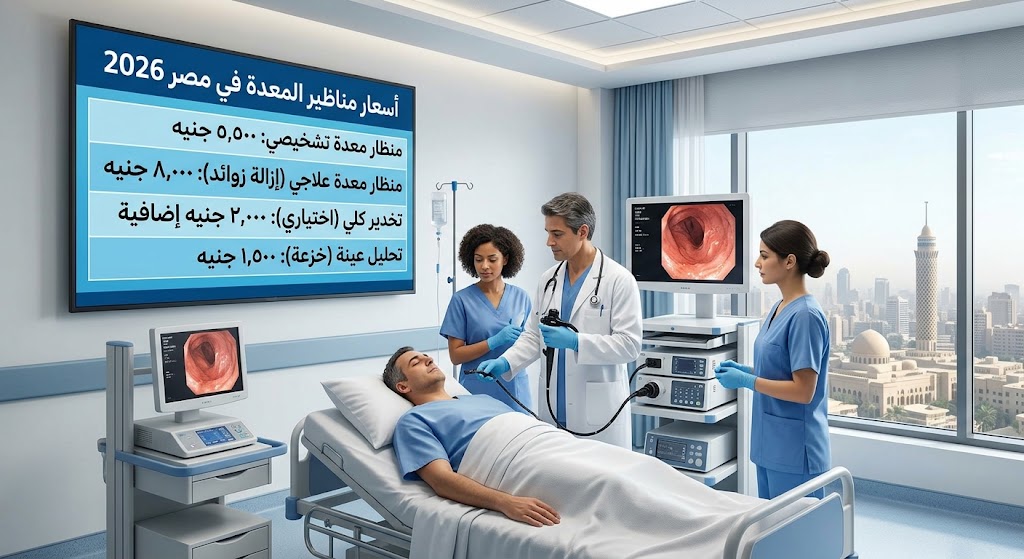
In 2026, a diagnostic gastroscopy in many private centres may cost approximately EGP 3,000 to EGP 6,000. A therapeutic procedure may start around EGP 6,000 and can cost more when sedation, biopsies, pathology, bleeding control, dilation, or special devices are required. These figures are indicative and are not a fixed tariff for Dr Ahmed Gamal or any hospital. The confirmed price is provided after reviewing the case and the chosen facility.
Call the clinic to ask about assessment and booking or contact us on WhatsApp for the current available appointments.
Average price of a gastric endoscopy in Egypt in 2026
A single number can be misleading because some quotations cover only the endoscopy itself, while others include the gastroenterologist's fee, sedation, disposables, recovery-room care, images, and the written report. The table below explains the usual cost structure.
| Procedure or service | Indicative cost |
|---|---|
| Diagnostic gastroscopy | Approximately EGP 3,000–6,000 |
| Gastroscopy with sedation | Depends on the sedation plan and facility |
| Gastroscopy with biopsy | Biopsy and pathology may be charged separately |
| Therapeutic upper endoscopy | Often starts around EGP 6,000 |
| Bleeding control, dilation, or foreign-body removal | Depends on the devices, complexity, and time required |
Ask for a written breakdown before booking. It should state whether sedation, biopsy instruments, pathology, recovery, and follow-up are included. This makes it easier to compare quotations fairly.
What is a gastric endoscopy?
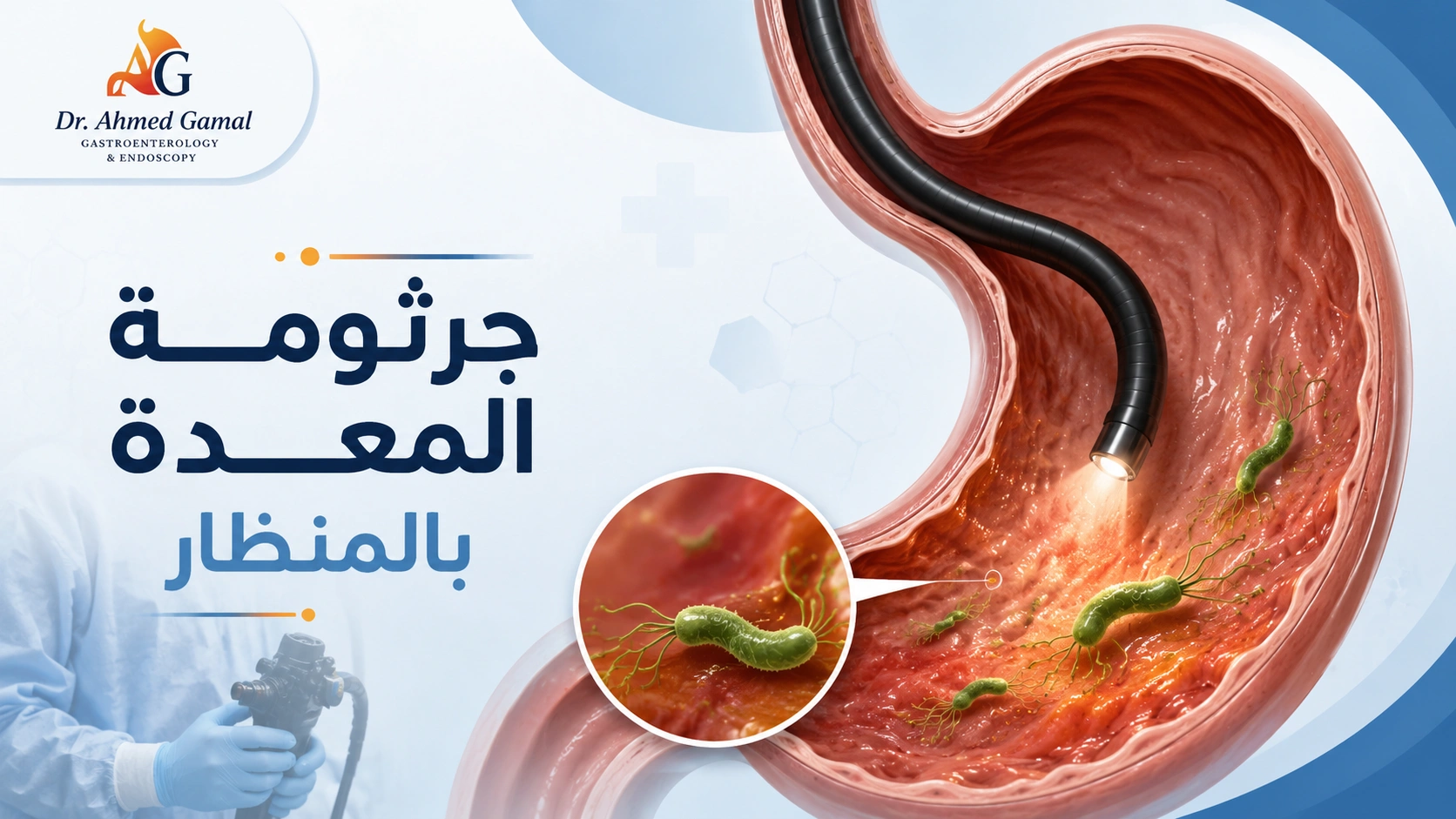
Upper gastrointestinal endoscopy, also called gastroscopy or EGD, uses a thin flexible camera to examine the oesophagus, stomach, and first part of the small intestine. It may be diagnostic, allowing the doctor to inspect the lining and take small tissue samples, or therapeutic, allowing treatment during the same session.
You can read more about the procedure on the gastroscopy service page. The need for the test depends on symptoms, examination, medical history, and any previous investigations.
What affects the price of a gastric endoscopy in Egypt?
Diagnostic or therapeutic purpose
A routine diagnostic examination usually costs less than a therapeutic endoscopy. Treatment may require extra time and equipment to control bleeding, dilate a narrowing, remove a foreign body, or perform another intervention.
Sedation and anaesthesia
Some patients receive throat-numbing medicine, while others receive intravenous sedation. The safest plan depends on age, health conditions, medicines, and the expected procedure. When an anaesthetist, monitoring, medication, and a recovery area are required, the total cost increases.
Biopsy and laboratory analysis
A biopsy may be taken to investigate inflammation, infection, ulcers, or other changes. Taking a biopsy does not by itself mean that cancer is suspected. The biopsy device and pathology examination may be separate items on the invoice, and special stains can add further cost.
Hospital or endoscopy centre
Facility charges differ according to equipment, infection-control standards, staffing, monitoring, and emergency support. A lower advertised figure may exclude parts of the care pathway, so compare what is included rather than comparing the headline price alone.
The doctor's experience and case complexity
Complex cases may require an experienced endoscopist, additional planning, or a hospital setting. Previous surgery, significant heart or lung disease, anticoagulant medicines, and a likely therapeutic intervention can change the recommended setting and the final quotation.
When may a doctor recommend gastroscopy?
A doctor may consider upper endoscopy for persistent upper abdominal pain, difficulty swallowing, repeated vomiting, unexplained anaemia, suspected upper GI bleeding, unexplained weight loss, or symptoms that do not improve as expected. It may also be used to investigate ulcers, reflux-related complications, or changes seen on other tests.
Not every episode of heartburn or abdominal discomfort needs an endoscopy. A consultation helps determine whether symptoms can be assessed first with examination, laboratory tests, medication review, or another investigation.
Diagnostic gastroscopy versus therapeutic endoscopy
During a diagnostic procedure, the doctor examines the upper digestive tract and may take photographs or biopsies. A therapeutic endoscopy adds treatment. Examples include controlling bleeding, opening a narrowed area, removing a foreign body, or managing selected oesophageal problems.
The therapeutic route costs more because it may involve specialised devices, extra staff, a longer procedure, and longer observation. When treatment cannot be predicted before the examination, ask how any added service will be authorised and priced.
Speak with the clinic about your symptoms and the likely cost items. You can also send a WhatsApp booking enquiry.
Does the price include sedation?
It depends on the facility. A quotation may include sedation, or it may list the anaesthetist, medicines, monitoring, and recovery separately. Ask which form of sedation is planned and whether pre-procedure tests are required. Do not change blood thinners, diabetes medicine, or any regular medication without instructions from the treating team.
Does the price include a biopsy?
Some centres include the biopsy instrument but charge separately for pathology. Others provide a combined package. Ask about the number of samples, transport to the laboratory, special tests, expected result time, and whether a follow-up consultation is included.
How to prepare for an upper endoscopy
The clinic will provide instructions based on your case. Patients are generally asked to avoid food and drink for a defined period so the stomach is empty and can be examined safely. Tell the doctor about allergies, pregnancy, heart or lung conditions, diabetes, previous reactions to sedation, and all prescription and non-prescription medicines.
- Follow the fasting instructions exactly.
- Ask specifically about blood thinners and diabetes medicines.
- Bring previous reports, scans, laboratory results, and a current medicine list.
- Arrange for an adult to accompany you if sedation is planned.
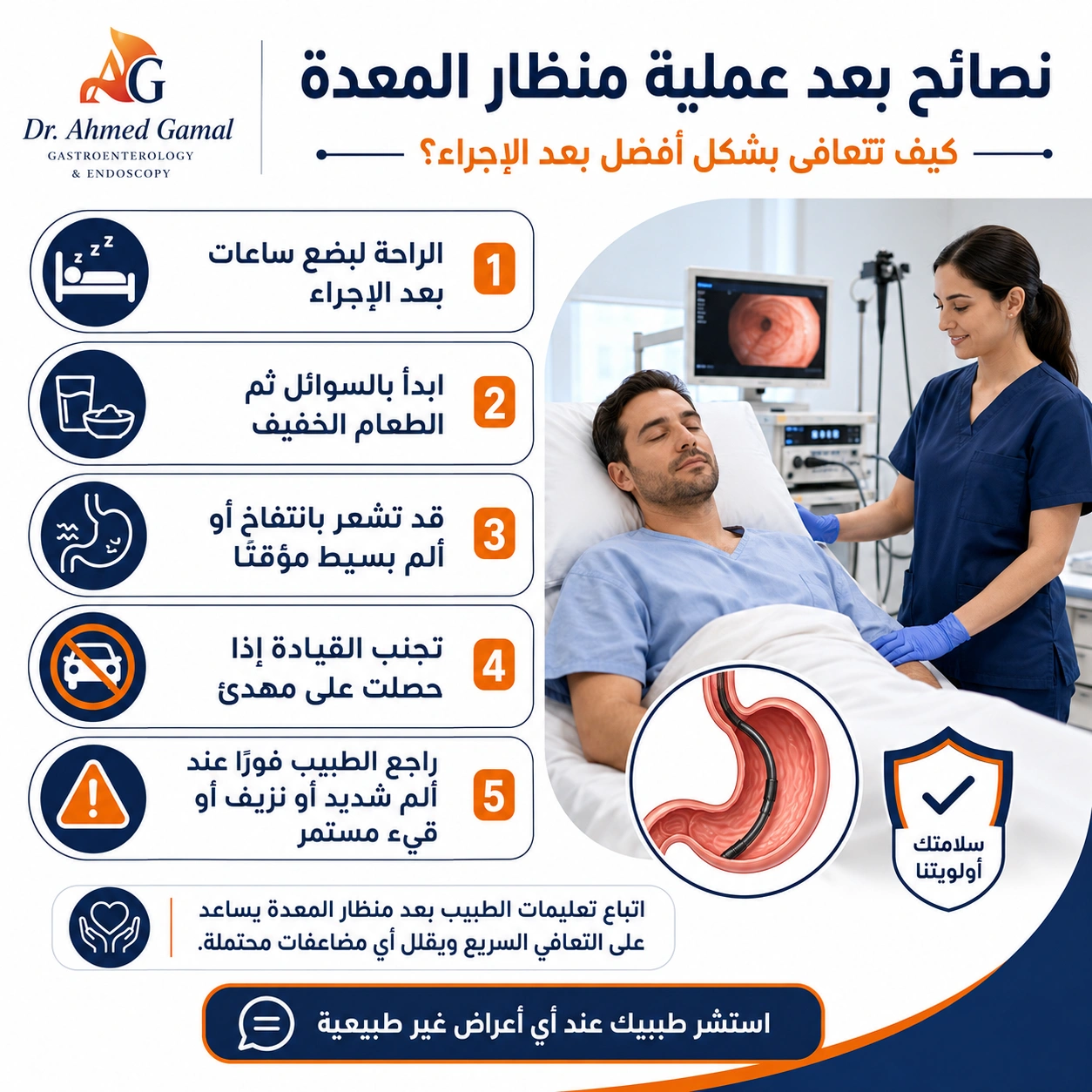
- Do not drive after sedation until the medical team says it is safe.
What happens during and after gastroscopy?
The patient usually lies on one side while the endoscope passes through the mouth into the upper digestive tract. The camera does not block breathing. The doctor may take samples or perform treatment through the instrument. A straightforward diagnostic examination often takes only a short time, although preparation and recovery make the total visit longer.
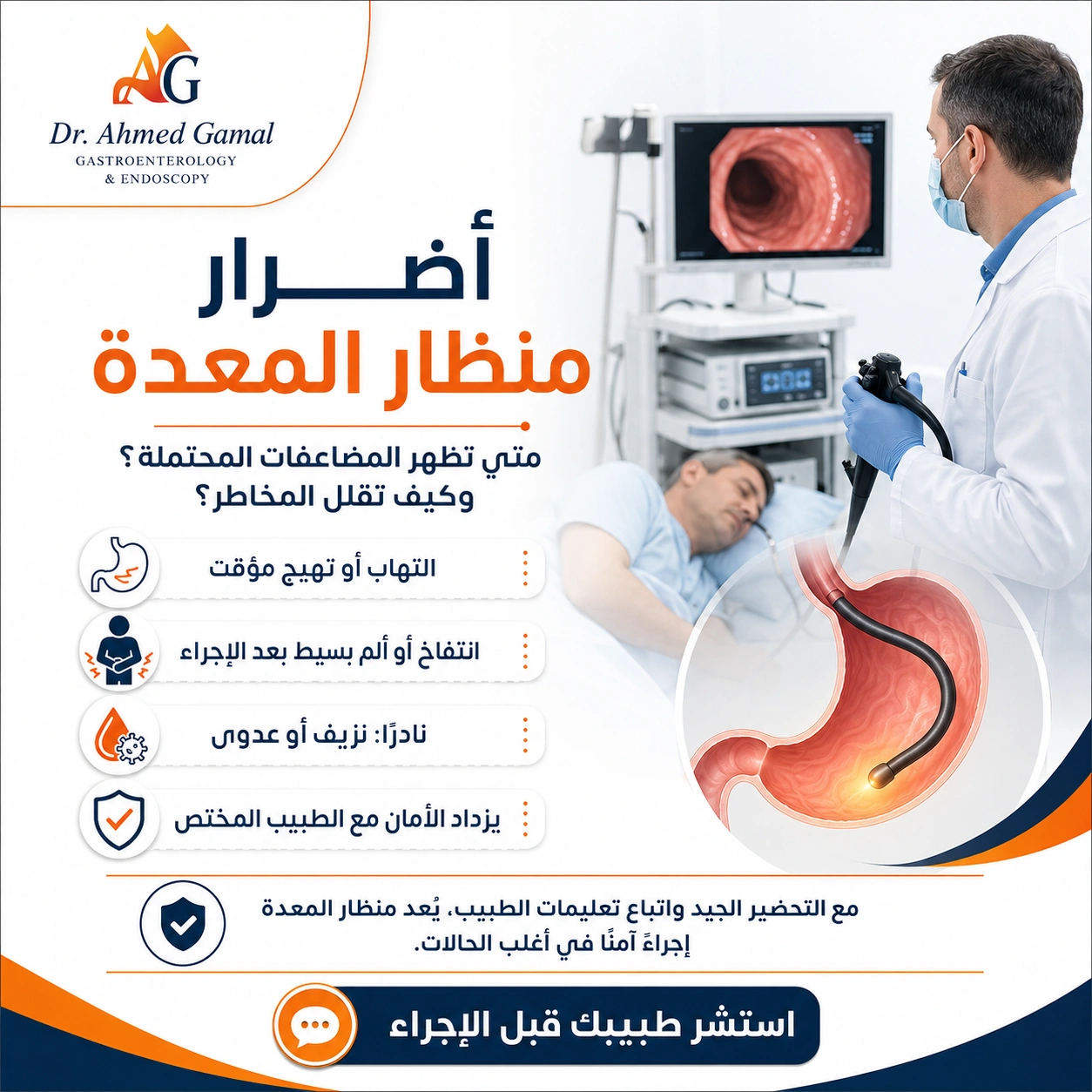
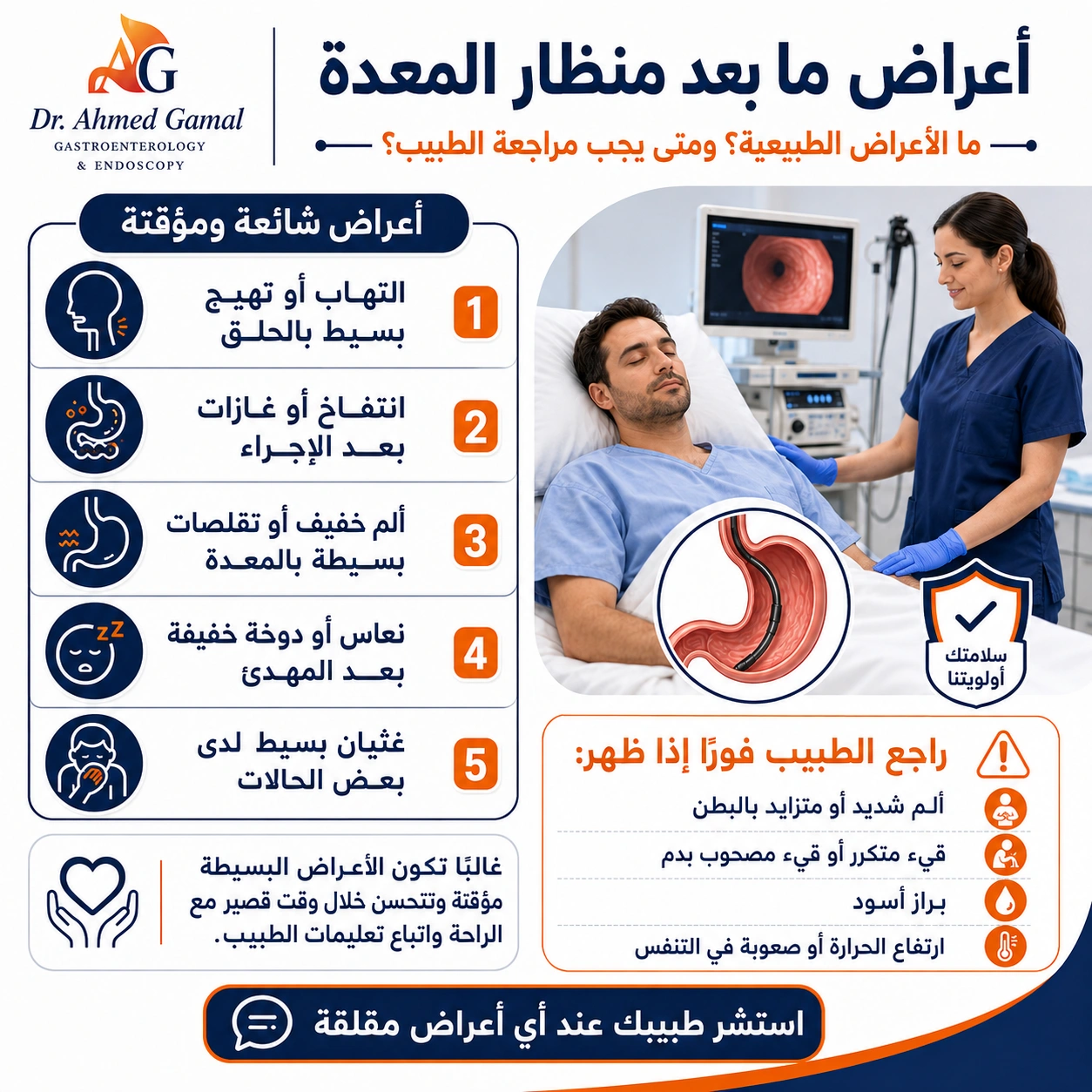
Temporary bloating, mild nausea, or a sore throat can occur afterwards. Seek urgent medical care for difficulty breathing, worsening chest or abdominal pain, fever, vomiting blood, black stools, or increasing difficulty swallowing.
Gastroscopy and colonoscopy in the same session
Some patients need both upper endoscopy and colonoscopy, for example when a doctor is investigating unexplained anaemia or symptoms affecting different parts of the digestive system. Performing both in one session may reduce repeated preparation and sedation, but the decision must be based on clinical need.
An indicative combined cost may be around EGP 7,000–12,000 in some private centres, with additional charges possible for biopsies, polyp removal, or treatment. Confirm the exact package and preparation instructions before booking.
How to compare endoscopy quotations safely
- Confirm the gastroenterologist and the facility where the procedure will take place.
- Ask whether sedation and the anaesthetist are included.
- Check whether biopsy tools and pathology are separate.
- Ask about recovery-room care, the report, images, and follow-up.
- Confirm what happens if treatment is needed during the procedure.
- Review infection-control standards and emergency support.
The cheapest offer is not always the lowest final bill. A clear quotation and an appropriately equipped setting are more useful than an incomplete advertised price.
Booking with Dr Ahmed Gamal
Dr Ahmed Gamal provides assessment for digestive symptoms and endoscopy-related care. The consultation is used to review symptoms, previous tests, medicines, and health conditions before deciding whether gastroscopy is necessary and which setting is suitable.
Explore the clinic's gastroenterology and endoscopy services, then call the clinic or book through WhatsApp to request the current price for your individual case.
Frequently asked questions
How much does a gastric endoscopy cost in Egypt?
A diagnostic gastroscopy may cost approximately EGP 3,000–6,000 in many private centres in 2026. The final amount depends on sedation, biopsy, pathology, facility fees, and whether treatment is performed. Confirm the current quotation when booking.
Is sedation included in the gastroscopy price?
Not always. Some packages include sedation and recovery, while others charge separately for the anaesthetist, medicines, monitoring, and recovery room.
Does a biopsy make gastroscopy more expensive?
It can. The biopsy instrument, specimen handling, and pathology examination may be separate charges. Special laboratory tests may also add to the total.
Is gastroscopy painful?
Patients may feel pressure, gagging, or bloating, but throat-numbing medicine and sedation can improve comfort. The clinical team chooses the safest option for each patient.
How long does the procedure take?
A straightforward diagnostic upper endoscopy often takes about 10–20 minutes, but registration, preparation, sedation, and recovery mean the full visit is longer.
Can I drive after gastroscopy?
If you receive sedation or anaesthesia, arrange for someone to take you home and follow the centre's instructions about driving, work, and important decisions afterwards.
When should I seek urgent help after the procedure?
Seek urgent care for breathing difficulty, worsening chest or abdominal pain, fever, vomiting blood, black stools, or worsening swallowing problems.
Other Articles