Symptoms of H. pylori Infection
Symptoms of H. pylori infection may include burning or aching pain in the upper abdomen, nausea, bloating, frequent belching, reduced appetite, and feeling full after a small meal. However, many people with Helicobacter pylori have no symptoms, and the same complaints can occur with reflux, functional dyspepsia, medicines, or other digestive conditions. Symptoms alone cannot confirm the infection.
When H. pylori causes inflammation or a peptic ulcer, discomfort may be worse when the stomach is empty. Some patients develop anaemia or signs of gastrointestinal bleeding. A breath test, stool antigen test, or a biopsy taken during upper endoscopy may be used to confirm the diagnosis according to the clinical situation.
Call Dr Ahmed Gamal's clinic for an assessment or send a WhatsApp booking enquiry if symptoms are persistent, recurrent, or accompanied by warning signs.
What is H. pylori?
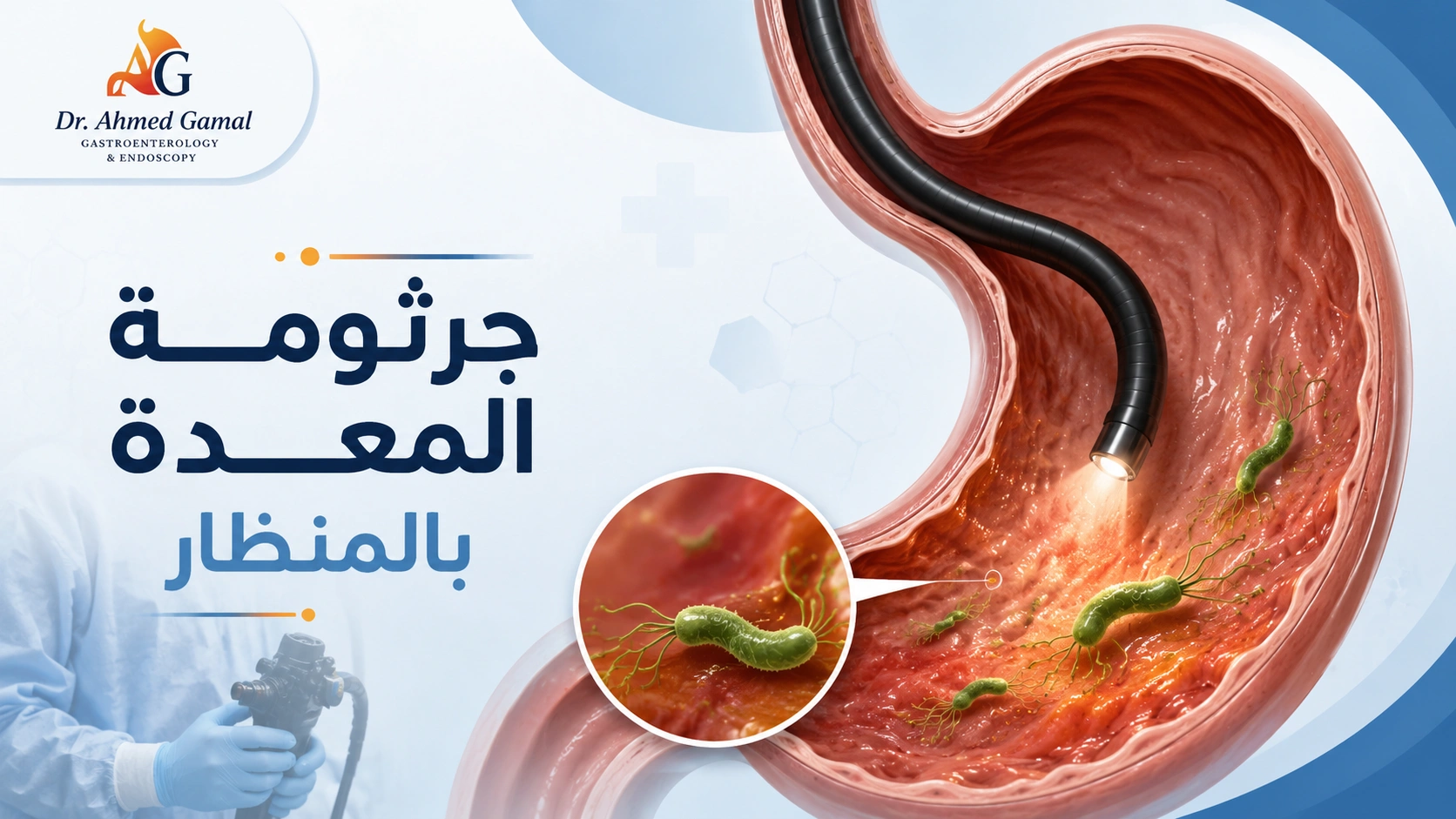
Helicobacter pylori is a bacterium that can live in the protective mucus layer of the stomach. It can cause long-term gastritis and is an important cause of stomach and duodenal ulcers. Infection is common, and many people acquire it during childhood without knowing that they carry it.
Having the infection does not mean that a person will certainly develop an ulcer or stomach cancer. Most infected people do not develop severe complications. Nevertheless, confirmed infection should be assessed and treated because persistent inflammation can increase long-term risk in some patients.
Common symptoms of H. pylori infection
If the infection causes gastritis or an ulcer, symptoms can include:
- Burning, aching, or discomfort in the upper abdomen.
- Pain that is more noticeable when the stomach is empty.
- Indigestion or discomfort after meals.
- Nausea and, less often, vomiting.
- Bloating and repeated belching.
- Reduced appetite or early fullness.
- Unintentional weight loss in some cases.
- Tiredness, dizziness, or pallor if slow bleeding causes anaemia.
- Black stools or vomiting blood when an ulcer bleeds.
The type and intensity of symptoms vary. Mild bloating does not prove H. pylori, and a person with a significant infection may have no discomfort at all.
What does H. pylori pain feel like?
Pain is often felt in the upper or central abdomen. Patients may describe burning, gnawing, aching, or hunger-like discomfort. It may come and go, appear at night, improve temporarily after eating, or become worse after a meal. The pattern depends on whether gastritis or an ulcer is present and where the problem is located.
This pain is not unique to H. pylori. Reflux, gallbladder disease, medication-related gastritis, functional dyspepsia, and other disorders may cause similar symptoms. A medical history and appropriate testing are therefore more reliable than guessing from the pain pattern.
Can H. pylori cause no symptoms?
Yes. A large proportion of infected people remain asymptomatic for years. Testing is not automatically needed for every person without symptoms; the doctor considers the patient's history, previous ulcers, medicines, family history, and other risk factors before recommending a test.
Testing may be considered for persistent dyspepsia, a current or previous peptic ulcer, unexplained iron-deficiency anaemia in selected cases, or another recognised indication. Testing should be linked to a plan to treat confirmed active infection.
Warning signs that need prompt medical assessment
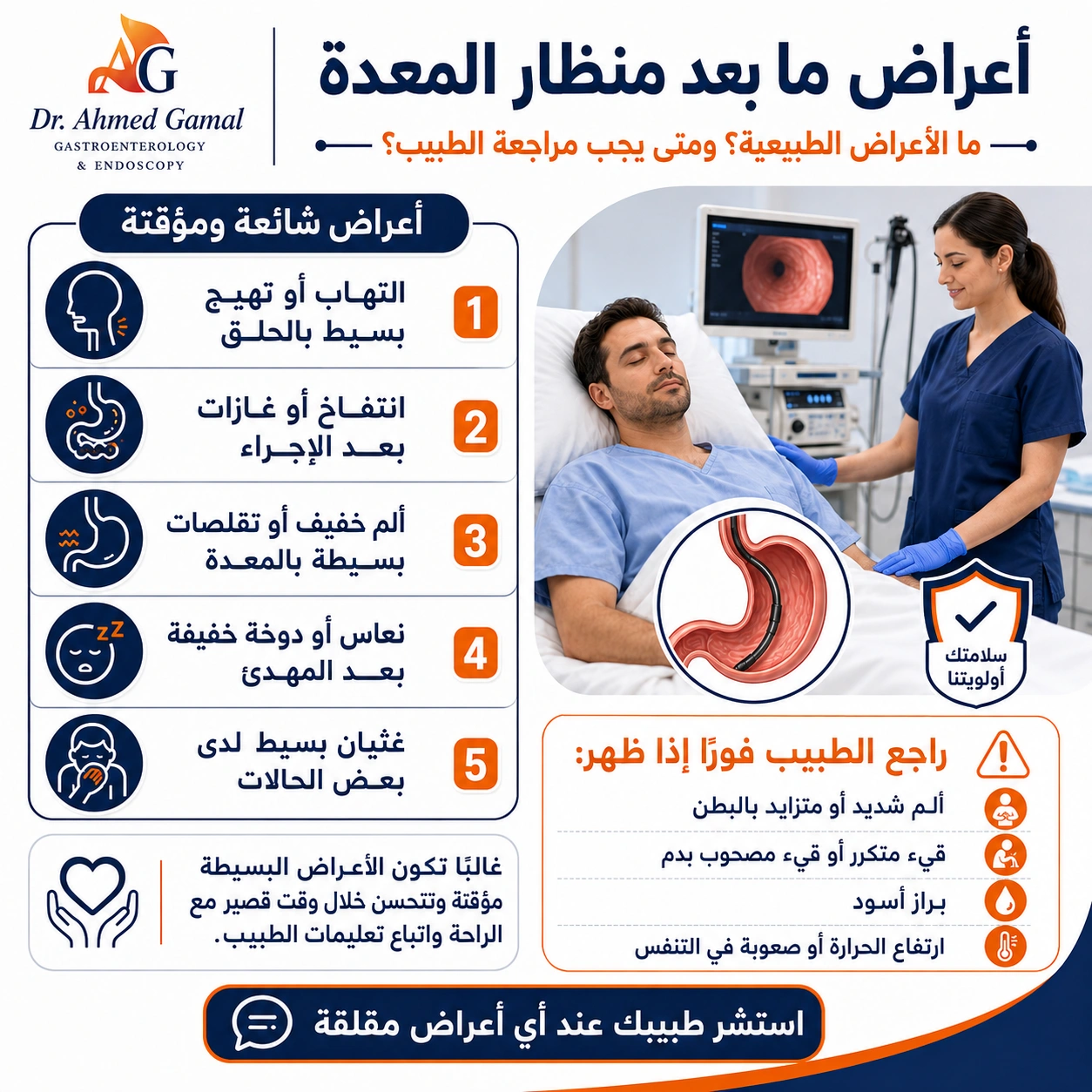
Seek urgent medical care if digestive symptoms are accompanied by:
- Vomiting blood or material that looks like coffee grounds.
- Black, tar-like stools or visible blood.
- Severe, sudden, or steadily worsening abdominal pain.
- Repeated vomiting or inability to keep fluids down.
- Fainting, marked weakness, shortness of breath, or palpitations.
- Unexplained weight loss, difficulty swallowing, or progressive anaemia.
These signs do not always result from H. pylori, but they may indicate bleeding, an ulcer complication, or another condition that should not wait for a routine appointment.
How H. pylori is diagnosed
Urea breath test
The breath test detects active infection. The patient consumes a prepared urea substance and provides breath samples. Certain medicines can affect the result, so the clinic must give clear instructions about proton-pump inhibitors, antibiotics, and bismuth before testing.
Stool antigen test
A stool antigen test can detect active infection and can also be used to confirm that treatment worked. Correct timing and medication preparation are essential to reduce the chance of a false-negative result.
Upper endoscopy and biopsy
Upper endoscopy allows the doctor to examine the oesophagus, stomach, and duodenum and take small tissue samples. It may be recommended when warning signs are present, when an ulcer or another problem is suspected, or when direct examination is clinically useful. Not every patient with suspected H. pylori needs an endoscopy.
Blood antibody testing
Blood antibody tests may remain positive after an old infection has cleared. For that reason, they are generally less useful for proving current active infection or confirming eradication after treatment.
Ask the clinic which test is suitable for your symptoms, or contact the team on WhatsApp to arrange an appointment.
How H. pylori is treated
Treatment uses a combination of acid-suppressing medicine and antibiotics, sometimes with bismuth. The exact regimen depends on antibiotic exposure, allergies, local resistance patterns, previous treatment, and the doctor's assessment. Patients should not copy another person's prescription or use leftover antibiotics.
Take every dose exactly as prescribed and complete the course. Stopping early or missing doses can reduce the chance of eradication and contribute to antibiotic resistance. Tell the doctor promptly about significant side effects rather than stopping treatment without advice.
How long does H. pylori treatment take?
Many current regimens last about 14 days, although the exact duration and medicines vary. Symptoms may improve before the bacteria have been eradicated, so symptom relief is not proof that treatment has succeeded.
How is cure confirmed?
A test of cure is recommended after treatment. It is commonly performed with a urea breath test or stool antigen test at least four weeks after finishing antibiotics. Proton-pump inhibitors are usually withheld for a period before the test when clinically safe, under the treating clinician's instructions, because they can produce a false-negative result.
If infection remains, the doctor selects a different treatment based on the medicines already used and any available sensitivity information. Repeating the same antibiotics without assessment is not recommended.
Can herbs or food cure H. pylori?
No food, drink, or herbal mixture has been proven to replace a prescribed eradication regimen. Some dietary changes may reduce irritation or make treatment easier to tolerate, but they do not reliably eliminate the bacterium. Supplements and herbs may also interact with medicines or worsen symptoms.
During treatment, choose foods that are comfortable for you, stay hydrated, and avoid items that clearly trigger pain, reflux, or nausea. There is no single mandatory H. pylori diet for every patient.
H. pylori symptoms versus indigestion and IBS
Indigestion describes upper-abdominal discomfort, early fullness, burning, or bloating and has several possible causes. Irritable bowel syndrome more often involves recurrent abdominal pain linked to bowel movements or changes in stool frequency or form. Symptoms can overlap, and a person may have more than one condition.
Persistent symptoms after successful H. pylori treatment do not automatically mean that the infection remains. A correctly timed test of cure and a review for other causes are the appropriate next steps.
When is gastroscopy considered?
The doctor may recommend gastroscopy for bleeding, progressive difficulty swallowing, unexplained weight loss, repeated vomiting, significant anaemia, suspected ulcer complications, or persistent symptoms that require direct examination. The procedure can identify inflammation, ulcers, narrowing, and other abnormalities and allows biopsy when needed.
Learn about the procedure and related costs on the price of a gastric endoscopy in Egypt page, or browse the clinic's gastroenterology and endoscopy services.
Reducing the risk of transmission
The exact route of transmission is complex, but careful hygiene is sensible. Wash hands after using the bathroom and before preparing or eating food, use safe drinking water, and avoid sharing utensils when hygiene is uncertain. Household members do not automatically need treatment; testing decisions should be made individually by a clinician.
Frequently asked questions
What are the first symptoms of H. pylori infection?
There may be no early symptoms. When symptoms occur, upper-abdominal burning or discomfort, nausea, bloating, belching, reduced appetite, and early fullness are common but not specific.
Can H. pylori cause back pain?
Back pain is not a reliable sign of H. pylori. Upper-abdominal pain can sometimes be perceived elsewhere, but persistent or severe back pain needs assessment for other causes.
Can H. pylori cause anxiety or palpitations?
The infection does not have a specific psychological symptom pattern. Pain, poor sleep, anaemia, and worry may contribute to anxiety or palpitations. These symptoms should be evaluated rather than attributed automatically to H. pylori.
Is there a permanent cure for H. pylori?
Effective treatment can eradicate the infection, but cure should be confirmed with a correctly timed breath or stool test. Reinfection or treatment failure is possible, so symptoms alone are not enough to judge the result.
How soon should I retest after treatment?
Testing is generally performed at least four weeks after antibiotics are completed. The clinician will also explain how long to stop acid-suppressing medicines, when safe, before the test.
Do I need an endoscopy to diagnose H. pylori?
Not always. Breath and stool tests can detect active infection without endoscopy. Gastroscopy is chosen when symptoms, warning signs, age, medical history, or the need to inspect and biopsy the stomach make it appropriate.
Call Dr Ahmed Gamal's clinic or book through WhatsApp for individual assessment, testing, and follow-up.
Other Articles