The Best Treatment for GERD and Gastritis: A Comprehensive Guide
The best treatment for GERD and gastritis starts with an accurate diagnosis because they affect different parts of the digestive tract. GERD is caused by stomach contents repeatedly moving into the oesophagus, while gastritis means inflammation of the stomach lining. They may occur together, but one medicine is not suitable for every patient.
Call Dr Ahmed Gamal Book on WhatsApp
What is the best treatment for GERD and gastritis?
Treatment should address the cause of each condition. GERD commonly improves with reflux-reducing habits and acid suppression. Gastritis treatment depends on whether the cause is Helicobacter pylori, anti-inflammatory painkillers, autoimmune disease, alcohol or another irritant. Persistent symptoms, swallowing difficulty, bleeding or unexplained weight loss require medical assessment rather than repeated self-treatment.
How GERD differs from gastritis
GERD
GERD can cause heartburn, sour regurgitation, discomfort after meals, night-time symptoms, cough, hoarseness or difficulty swallowing. Symptoms often worsen after large meals or when lying down.
Gastritis
Gastritis may cause upper abdominal pain, nausea, vomiting, early fullness, poor appetite or bleeding. Some people have no symptoms. The location of pain alone cannot confirm gastritis, and similar complaints can come from an ulcer, functional dyspepsia, gallbladder disease or another condition.
Tests that may guide treatment
The doctor reviews symptom timing, medicines, previous H. pylori treatment and warning signs. H. pylori can be checked with a urea breath test, stool antigen test or biopsy during gastroscopy. Acid suppressants, antibiotics and bismuth can affect some test results, so ask the clinician how to prepare before stopping anything.
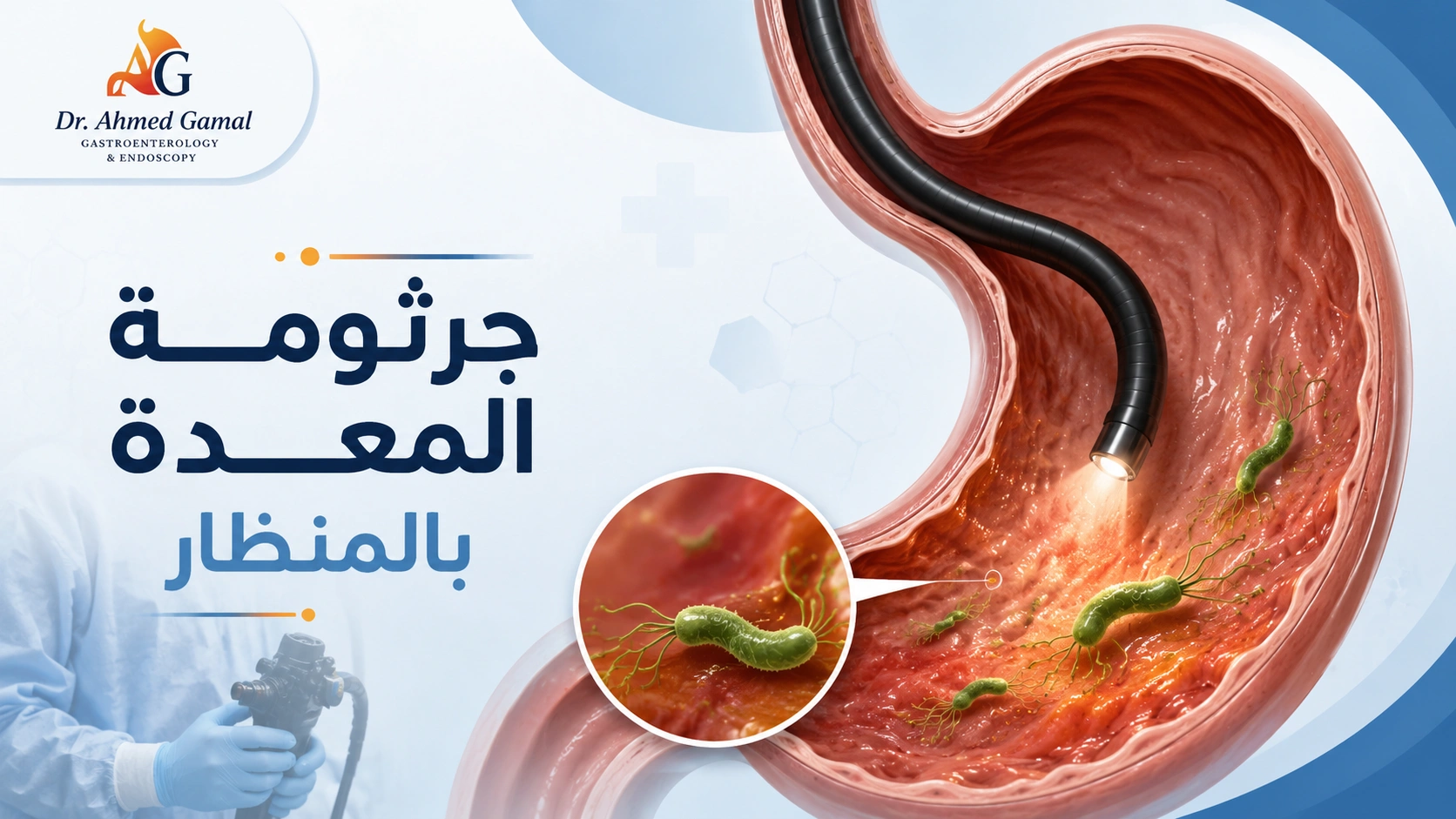
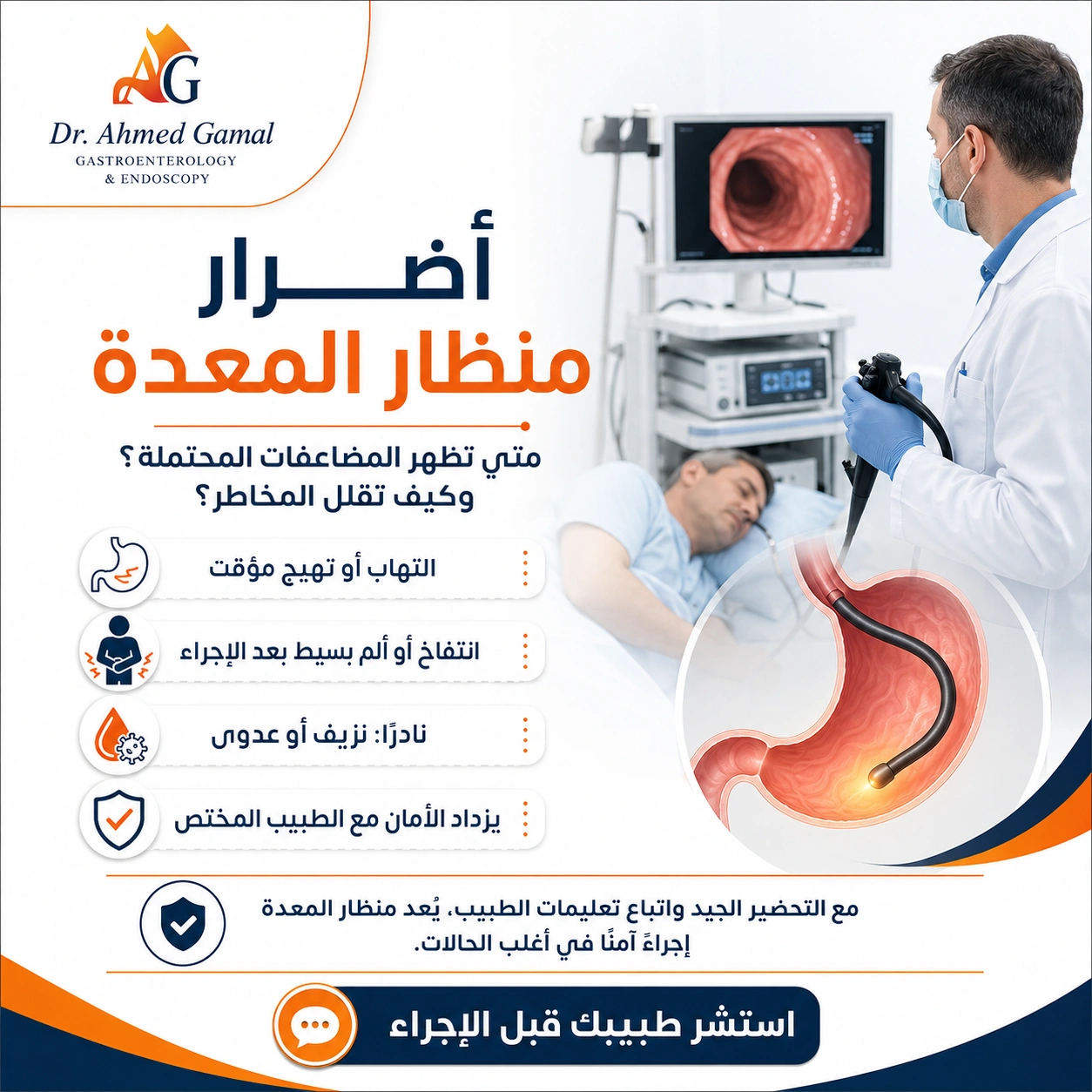
Gastroscopy may be recommended for persistent symptoms, painful or difficult swallowing, recurrent vomiting, anaemia, bleeding, unexplained weight loss or suspected ulcer. It allows the oesophagus, stomach and duodenum to be examined and biopsied. Reflux testing or oesophageal manometry may be needed when symptoms continue despite treatment or before an anti-reflux procedure.
GERD treatment
Lifestyle measures
- Eat smaller meals and avoid lying down for about three hours afterwards.
- Lose weight gradually if excess weight contributes to reflux.
- Stop smoking.
- Elevate the head of the bed for troublesome night symptoms.
- Avoid tight clothing around the abdomen.
- Identify personal triggers instead of removing many foods without evidence.
Coffee, chocolate, mint, fatty food, spicy food, tomato, citrus and carbonated drinks trigger symptoms in some people, but there is no universal forbidden-food list.
Acid-suppressing medicines
Antacids can provide short relief but do not heal erosive oesophagitis. Alginates may reduce post-meal reflux. H2 blockers reduce acid, while proton pump inhibitors (PPIs) are usually more effective for healing reflux oesophagitis. Correct timing and duration matter. Do not double doses, combine medicines or stop prescribed treatment as soon as symptoms improve without medical advice.
Gastritis treatment depends on its cause
H. pylori gastritis
Confirmed H. pylori infection requires an eradication regimen selected by a doctor. It usually combines strong acid suppression with more than one antibiotic and may include bismuth. Choice depends on allergies, previous antibiotic exposure and local resistance. Complete every dose and arrange a test of cure at the appropriate time; feeling better does not prove that the infection has cleared.
Gastritis related to painkillers
Non-steroidal anti-inflammatory drugs can injure the stomach lining. Management may include changing or stopping the medicine with the prescribing clinician, using stomach protection and treating an ulcer or bleeding. Never stop aspirin or a blood thinner without speaking to the responsible doctor.
Autoimmune or irritant-related gastritis
Autoimmune gastritis may be associated with iron or vitamin B12 deficiency and can require blood tests, replacement treatment and follow-up. Alcohol or another irritant should be addressed directly. Acid suppression may help symptoms but does not replace treatment of the underlying cause.
Discuss Your Treatment Message the Clinic
How long does treatment take?
Simple reflux symptoms may improve within days, but inflamed tissue often needs several weeks to heal. H. pylori treatment follows a fixed course, followed later by a test of cure. Autoimmune gastritis may need long-term monitoring. Some people with severe or recurrent reflux require maintenance therapy at the lowest effective dose chosen by their doctor.
Common reasons treatment fails
- Taking a PPI at the wrong time or missing doses.
- Stopping antibiotics early.
- Repeating an old H. pylori prescription without testing.
- Continuing frequent anti-inflammatory painkillers.
- Eating large meals late at night.
- Assuming herbal products can eradicate H. pylori.
- Ignoring swallowing difficulty, bleeding or weight loss.
When advanced reflux treatment is considered
Surgery or an endoscopic anti-reflux procedure is considered only for selected patients with objectively confirmed reflux and appropriate testing. Options depend on anatomy, a hiatus hernia, motility and previous treatment. Review the clinic’s digestive and endoscopy services and discuss benefits, limits and risks before choosing an intervention.
Warning signs that need prompt assessment
Seek medical care for progressive or painful swallowing, food impaction, persistent vomiting, vomiting blood, black stools, unexplained weight loss, anaemia, severe or persistent abdominal pain, or symptoms that do not improve with correctly used treatment. Severe chest pain with breathlessness, sweating, or pain spreading to the arm or jaw needs emergency evaluation.
How Dr Ahmed Gamal plans treatment
Dr Ahmed Gamal assesses the symptom pattern, medication use, H. pylori history and warning signs, then decides whether testing, gastroscopy or reflux monitoring is needed. The plan may treat reflux, eradicate H. pylori, protect the stomach when essential medicines must continue, correct nutritional deficiencies and monitor healing. This article provides general education and does not replace an individual diagnosis or prescription.
Call the Clinic Book via WhatsApp
Frequently asked questions
Can the same medicine treat GERD and gastritis?
Acid suppression may be used in both, but it does not treat every cause of gastritis and cannot eradicate H. pylori by itself.
Does diet cure gastritis?
Diet may reduce symptoms, but H. pylori, medicine-related injury and autoimmune gastritis require cause-specific care.
Should everyone with these symptoms have gastroscopy?
No. The decision depends on age, duration, response and warning signs. A clinician can decide whether testing is needed.
Can herbs replace reflux or H. pylori treatment?
No herbal product has reliable evidence that it eradicates H. pylori or heals significant reflux injury. Some can interact with prescribed medicines.
When should H. pylori be retested?
A test of cure is arranged after treatment at a time that avoids false-negative results. Follow the clinician’s preparation instructions.
Sources reviewed: NIDDK GERD treatment guidance and NIDDK gastritis treatment guidance.
Other Articles