The Complete Guide to Gastroscopy and Colonoscopy for Children in Egypt
Gastroscopy and colonoscopy for children in Egypt are procedures used to examine a child's digestive tract when symptoms or test results require direct investigation. Gastroscopy looks at the oesophagus, stomach and duodenum, while colonoscopy examines the rectum and colon. In children, the decision, preparation, sedation and equipment must be planned by a team experienced in paediatric care.
These procedures are not routine for every episode of abdominal pain. A paediatric gastroenterology assessment usually comes first. The doctor reviews growth, symptoms, medicines, family history, blood and stool tests, and any imaging before deciding whether endoscopy is likely to change diagnosis or treatment.
Call the clinic to ask about age suitability and referral arrangements or send a WhatsApp enquiry. Confirm in advance whether the child's age and condition require a specialised paediatric endoscopy unit.
What is paediatric gastroscopy?
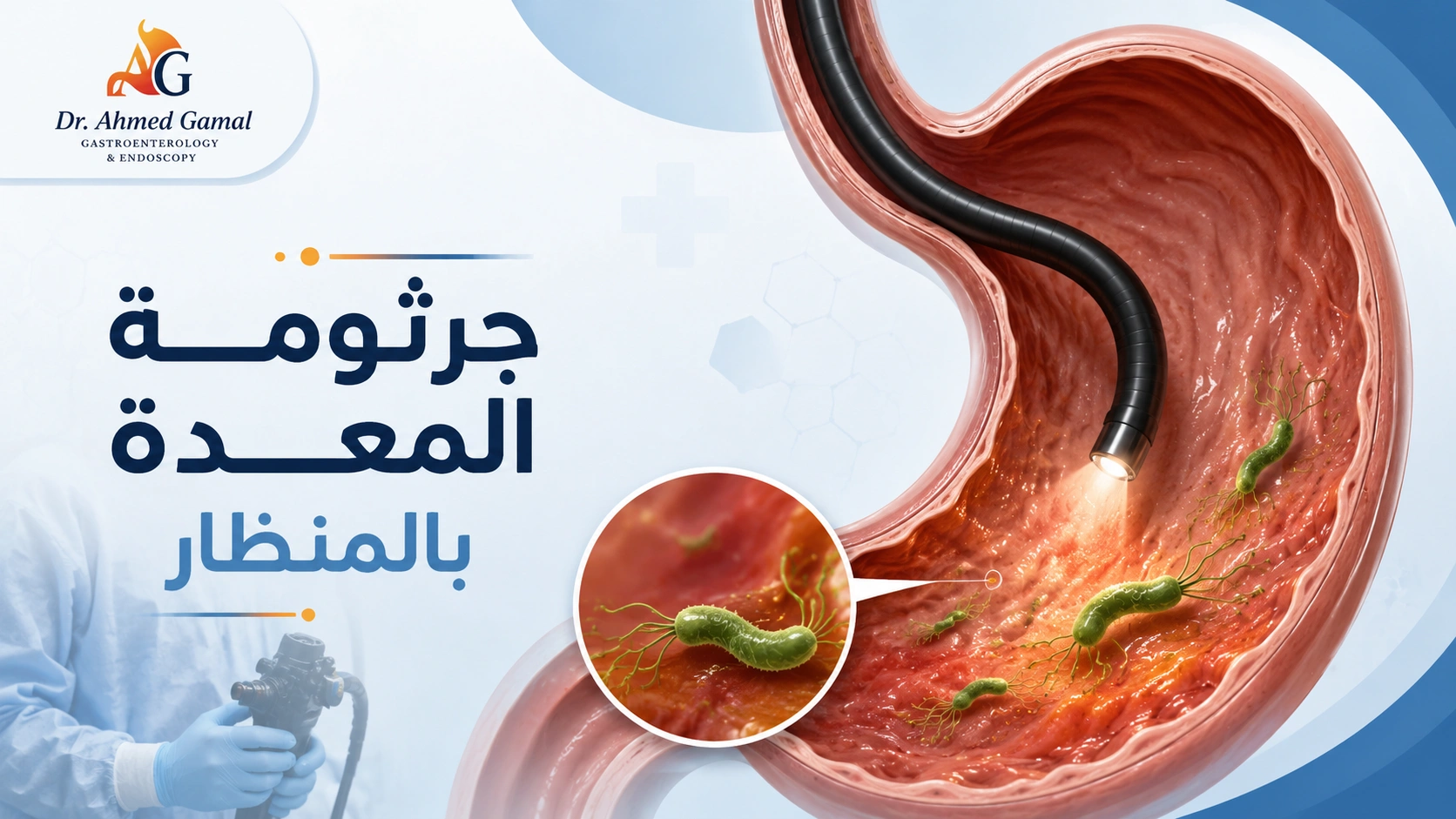
Gastroscopy, also called upper endoscopy, uses a thin flexible camera passed through the mouth to examine the upper digestive tract. Small tissue samples can be taken to investigate inflammation, coeliac disease, infection, ulcers, or other changes.
Children are generally given sedation or anaesthesia according to age, health, procedure and facility policy. The team monitors breathing, heart rate, blood pressure and oxygen.
What is paediatric colonoscopy?
Colonoscopy uses a flexible camera to examine the rectum and colon. It can identify inflammation, bleeding, polyps, narrowing, and other abnormalities. Biopsies may be taken even when the bowel lining looks normal because some conditions are microscopic.
Why might a child need gastroscopy?
Possible reasons include:
- Persistent upper abdominal pain with concerning features.
- Difficulty swallowing or food becoming stuck.
- Repeated vomiting or gastrointestinal bleeding.
- Unexplained anaemia or poor growth.
- Suspected coeliac disease or eosinophilic oesophagitis.
- Follow-up of a known upper digestive condition.
- Removal of a swallowed foreign body in selected cases.
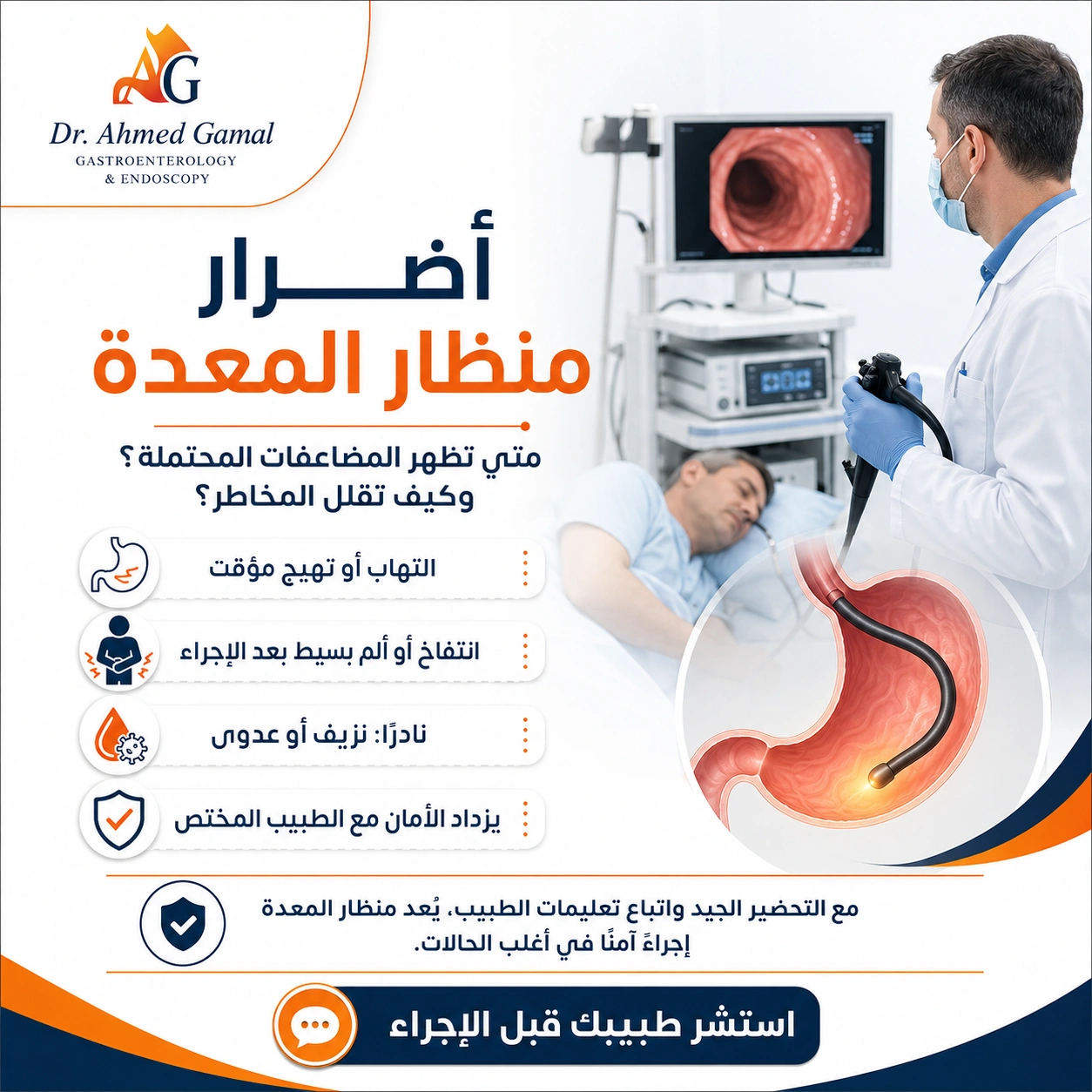
The doctor weighs the likely benefit against the burden and risks. Many common childhood stomach complaints can be assessed without endoscopy.
Why might a child need colonoscopy?
- Persistent rectal bleeding.
- Chronic diarrhoea with concerning findings.
- Suspected inflammatory bowel disease.
- Unexplained anaemia, weight loss or poor growth.
- Abnormal stool inflammation tests.
- Polyps or a relevant hereditary condition.
- Follow-up of a known bowel disease.
Can both procedures be done together?
Yes, when both the upper and lower digestive tract need evaluation, gastroscopy and colonoscopy may be performed in one anaesthetic session. This avoids two separate admissions and two sedation episodes. The child must still complete bowel preparation and fasting exactly as instructed.
How should parents prepare a child?
Explain the procedure in age-appropriate language. Tell the child that the medical team will help them sleep or stay comfortable and that a parent or caregiver will be nearby before and after the procedure. Avoid frightening detail, but answer questions honestly.
- Follow the unit's fasting and bowel-preparation instructions exactly.
- Provide a complete medicine and allergy list.
- Report heart, lung, neurological or bleeding conditions.
- Tell the team about previous anaesthesia problems.
- Bring relevant reports, growth records and test results.
- Arrange transport and recovery time after the procedure.
Ask the clinic about preparation and the appropriate unit or contact the team on WhatsApp.
Fasting before paediatric gastroscopy
An empty stomach reduces aspiration risk and improves the view. The permitted timing differs for solid food, milk, breast milk and clear fluids, and may vary by age and anaesthesia protocol. Follow the exact written schedule from the treating unit rather than using a general internet timetable.
If the child eats or drinks after the cut-off time, tell the team. The procedure may need to be delayed for safety.
Bowel preparation before paediatric colonoscopy
The colon must be clean so the doctor can see the lining. The preparation plan is selected according to age, weight and health. It may include diet changes, clear liquids and a prescribed cleansing medicine.
Encourage the permitted fluids and follow the doses precisely. Contact the team if the child repeatedly vomits, cannot drink, becomes unusually sleepy or dizzy, has severe pain, or is passing very little urine.
Does a child need general anaesthesia?
Many children receive deep sedation or general anaesthesia because remaining still is essential and young children may not tolerate an awake procedure. The exact method depends on age, development, health, expected procedure and local practice.
The anaesthesia professional reviews fasting, medicines, allergies, respiratory symptoms and previous reactions. A cold, cough or fever should be reported before arrival because it may change the plan.
What happens during the procedure?
Monitoring devices are attached and sedation or anaesthesia is administered. For gastroscopy, the scope passes through the mouth. For colonoscopy, it passes through the anus. The doctor examines the lining and may take biopsies or perform treatment.
Parents are usually reunited with the child in recovery according to the unit's policy. The doctor may explain the initial visual findings before discharge.
Will biopsies hurt?
Biopsies are taken from the internal lining through the scope and are not usually felt as cutting pain. The child may have temporary throat irritation, gas or cramps from the procedure itself. Laboratory results take additional time.
Recovery after gastroscopy or colonoscopy
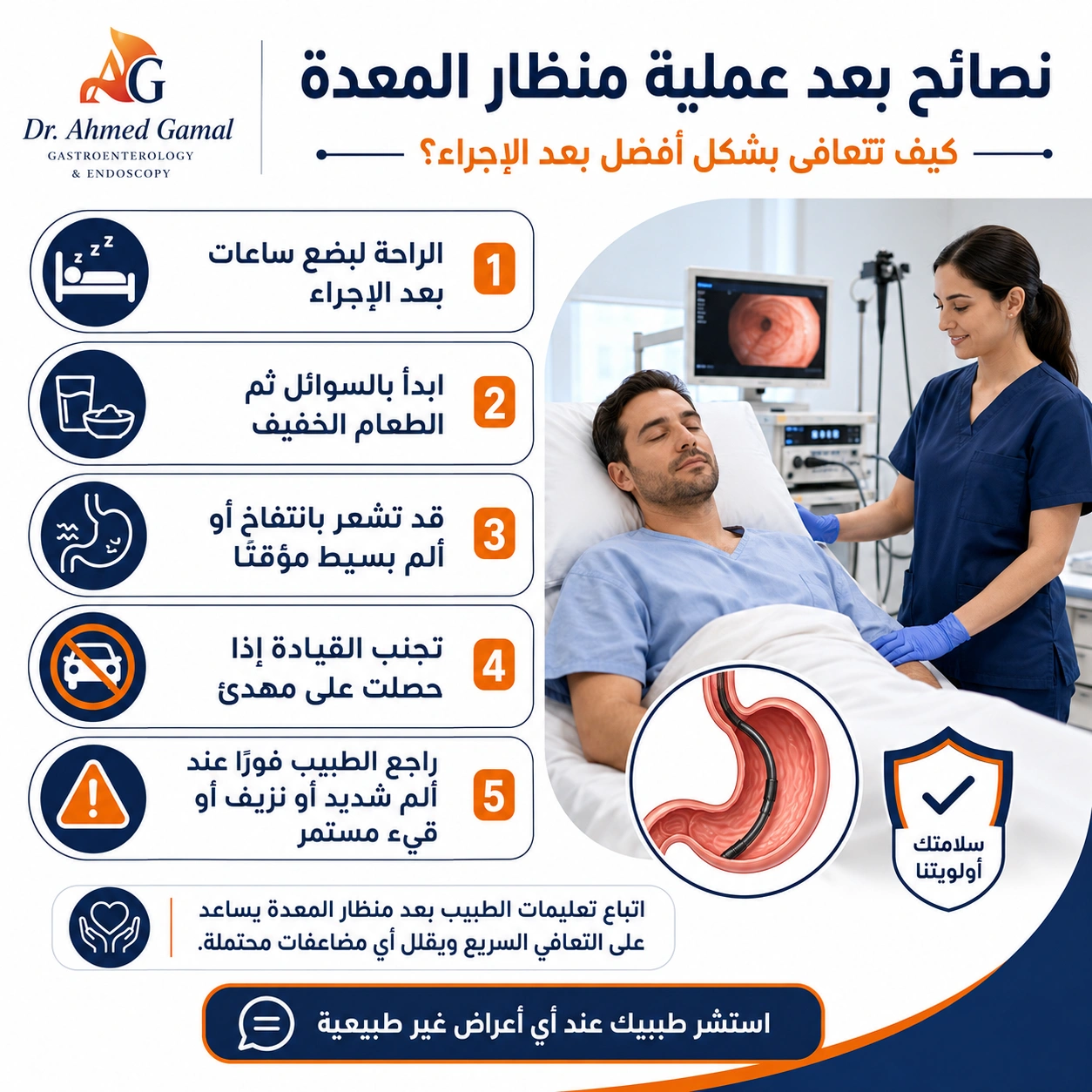
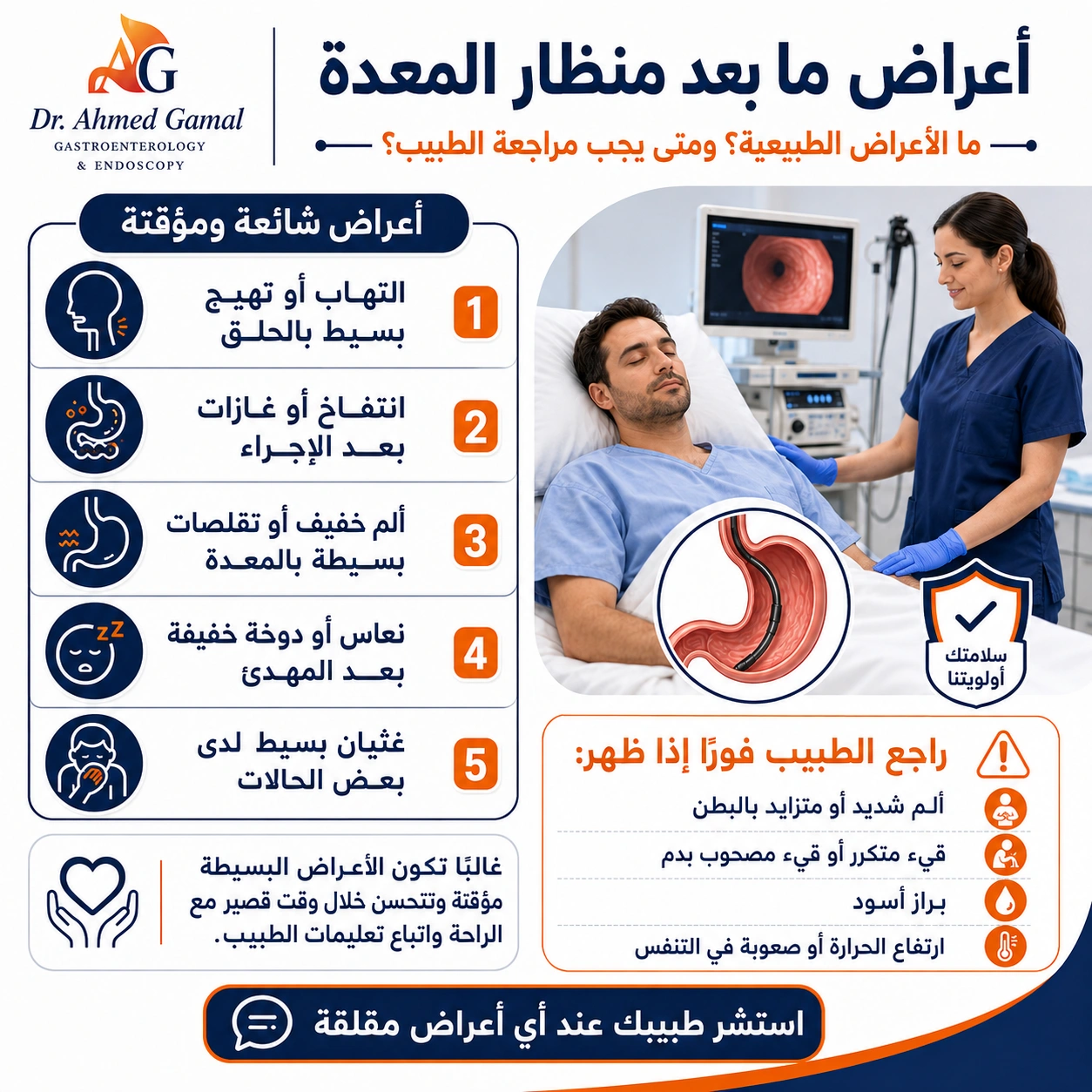
The child stays in recovery until breathing, alertness and vital signs are satisfactory. Sleepiness, mild nausea, gas, cramps or a sore throat can occur. Start fluids and food only when the team permits.
Keep the child supervised for the period specified after sedation. Avoid school, sports, cycling and activities requiring coordination until the discharge instructions allow them.
When to seek urgent medical care
- Difficulty breathing or unusual difficulty waking.
- Severe or increasing chest or abdominal pain.
- Repeated vomiting or inability to keep fluids down.
- Vomiting blood, black stools or significant rectal bleeding.
- Fever, fainting, marked weakness or signs of dehydration.
- A hard or increasingly swollen abdomen.
Use emergency services for severe symptoms rather than waiting for an online reply.
When are results available?
Visual findings may be discussed on the day, but sedation can affect memory. Ask for written instructions and make sure another adult hears the explanation. Biopsy results take longer and should be reviewed at a planned follow-up appointment.
How much does paediatric endoscopy cost in Egypt?
Cost varies by hospital, paediatric anaesthesia, the number of procedures, biopsies, pathology, treatment and overnight observation. A quotation should explain whether the doctor, anaesthetist, facility, disposables, pathology, recovery and follow-up are included.
A lower headline price may omit essential paediatric services. Choose an appropriately equipped team and setting rather than selecting on price alone.
Choosing a safe paediatric endoscopy setting
Ask whether the unit routinely treats children of the same age and size, whether paediatric anaesthesia and recovery are available, and how emergencies are managed. The procedure should be carried out by appropriately trained professionals using child-sized equipment when needed.
Browse the clinic's gastroenterology and endoscopy services, then confirm whether the child should be referred to a dedicated paediatric centre.
Frequently asked questions
Is gastroscopy safe for children?
It is generally safe when medically indicated and performed by an experienced paediatric team, but every procedure and anaesthetic has risks that must be discussed.
Is colonoscopy painful for a child?
Sedation or anaesthesia is commonly used. Temporary gas and cramps may occur afterwards, while severe or worsening pain is not expected.
How long does paediatric endoscopy take?
The procedure itself may be brief, but preparation, anaesthesia and recovery make the total hospital visit longer.
Can a child eat before endoscopy?
Only within the specific fasting rules provided by the unit. Report any food or drink taken after the cut-off time.
Why are biopsies taken when the lining looks normal?
Some diseases cause microscopic changes that are not visible to the camera. Laboratory examination can therefore add important information.
Can the child return to school the next day?
Many children can, but the answer depends on recovery, anaesthesia, and whether biopsy or treatment was performed. Follow the discharge plan.
Call the clinic or send a WhatsApp enquiry to confirm age suitability, assessment and referral arrangements.
Other Articles