The Difference Between GERDx and ARMA for Treating GERD
GERDx and ARMA are minimally invasive endoscopic options used in selected people with proven gastroesophageal reflux disease (GERD). The main difference is how each procedure supports the junction between the oesophagus and stomach: GERDx creates full-thickness folds with sutures or fasteners, while ARMA applies controlled treatment to the mucosal lining so healing produces tissue contraction. Neither option is automatically suitable for every person with heartburn, and careful testing is essential before choosing a procedure.
What is the difference between GERDx and ARMA?
GERDx uses a dedicated endoscopic device to grasp tissue near the gastroesophageal junction and create folds that involve the full thickness of the stomach wall. These folds aim to reinforce the natural anti-reflux barrier. ARMA, short for anti-reflux mucosal ablation, uses controlled thermal treatment around part of the junction. As the treated area heals, scarring and contraction may narrow and strengthen the opening.
Both procedures are performed through the mouth with a flexible endoscope, so there are no abdominal incisions. They differ in mechanism, equipment, healing pattern, and possible complications. Current evidence does not establish one technique as the best choice for all patients.
How GERDx works
During GERDx, the doctor passes a specialist device into the stomach and places full-thickness sutures or fasteners below the oesophagus. The resulting folds change the shape of the junction immediately. The goal is to reduce reflux episodes and improve symptoms while preserving normal swallowing and stomach function.
GERDx may be discussed for people with objectively confirmed reflux, a small or absent hiatus hernia, and symptoms that persist despite correctly used medication. It does not repair a large hiatus hernia and should not be selected solely because a person wants to stop acid-suppressing medication.
How ARMA works
ARMA uses endoscopic ablation on a carefully selected portion of the mucosa at the gastroesophageal junction. The doctor intentionally leaves some tissue untreated to reduce the risk of excessive narrowing. The final effect develops during healing rather than appearing fully at the time of treatment.
ARMA may suit selected patients whose anatomy and investigations support an endoscopic anti-reflux approach. Because the result depends on controlled healing, follow-up is important. Difficulty swallowing, pain, bleeding, ulceration, or narrowing can occur and may require additional treatment.
Tests needed before either procedure
Symptoms alone cannot confirm GERD. Heartburn-like discomfort may also result from functional heartburn, oesophageal hypersensitivity, motility disorders, medication effects, or heart disease. A specialist assessment commonly includes:
- Upper gastrointestinal endoscopy to assess inflammation, Barrett’s oesophagus, narrowing, ulcers, and hiatus hernia.
- Ambulatory pH or pH-impedance monitoring to document acid and non-acid reflux and relate episodes to symptoms.
- Oesophageal manometry to evaluate swallowing and muscle function, especially when dysphagia is present.
- A review of medication dose, timing, adherence, diet, weight, and previous procedures.
You can learn more about gastroscopy and the available gastroenterology services before arranging an assessment.
Who may be a suitable candidate?
A potential candidate usually has proven reflux, typical symptoms such as heartburn or regurgitation, suitable anatomy, and no major swallowing disorder. A small hiatus hernia may be acceptable in some cases, but a large hernia often requires surgical repair because an endoscopic procedure cannot restore the diaphragm anatomy.
People with unexplained dysphagia, severe oesophagitis, certain motility disorders, or symptoms that do not correlate with reflux may need another treatment plan. The decision should balance expected benefit, limitations, alternatives, and the person’s health and preferences.
Benefits and limitations
Both techniques may improve symptoms and reduce medication use in selected patients. They offer shorter recovery than conventional surgery for many people. However, symptom improvement does not always mean acid exposure has returned to normal, and some patients still need medication after treatment.
Evidence for these procedures continues to develop, and long-term data are more limited than for established surgical treatments. Results from separate studies should not be used to claim that GERDx is superior to ARMA, or vice versa, because patient selection and outcome measures vary.
Risks and recovery
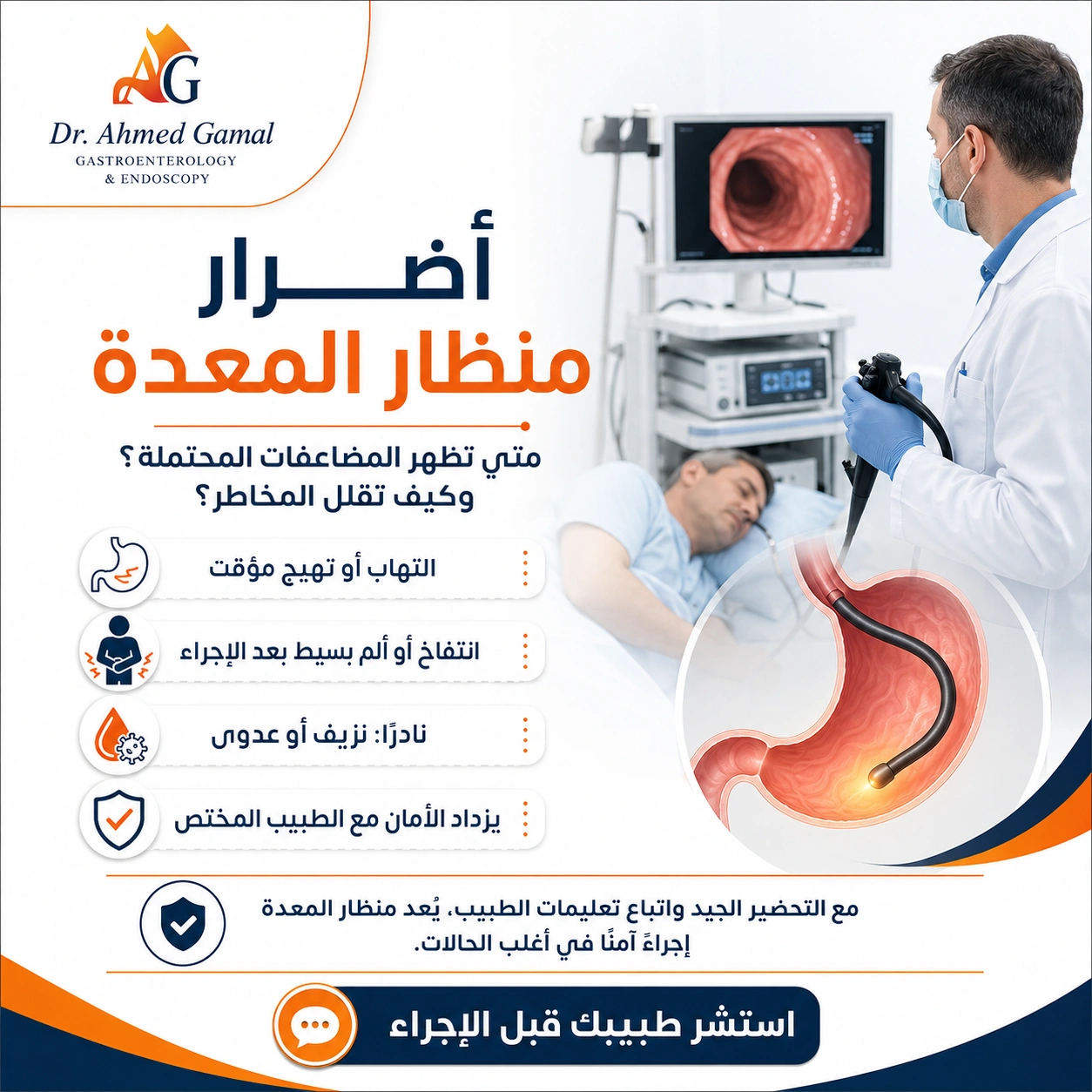
Shared risks include sore throat, chest or upper abdominal discomfort, bleeding, infection, anaesthetic complications, persistent symptoms, and the need for further intervention. GERDx also carries risks related to full-thickness fasteners, including failure or loosening and, rarely, perforation or leakage. ARMA has a particular risk of scarring that causes narrowing and swallowing difficulty; endoscopic dilation may occasionally be required.
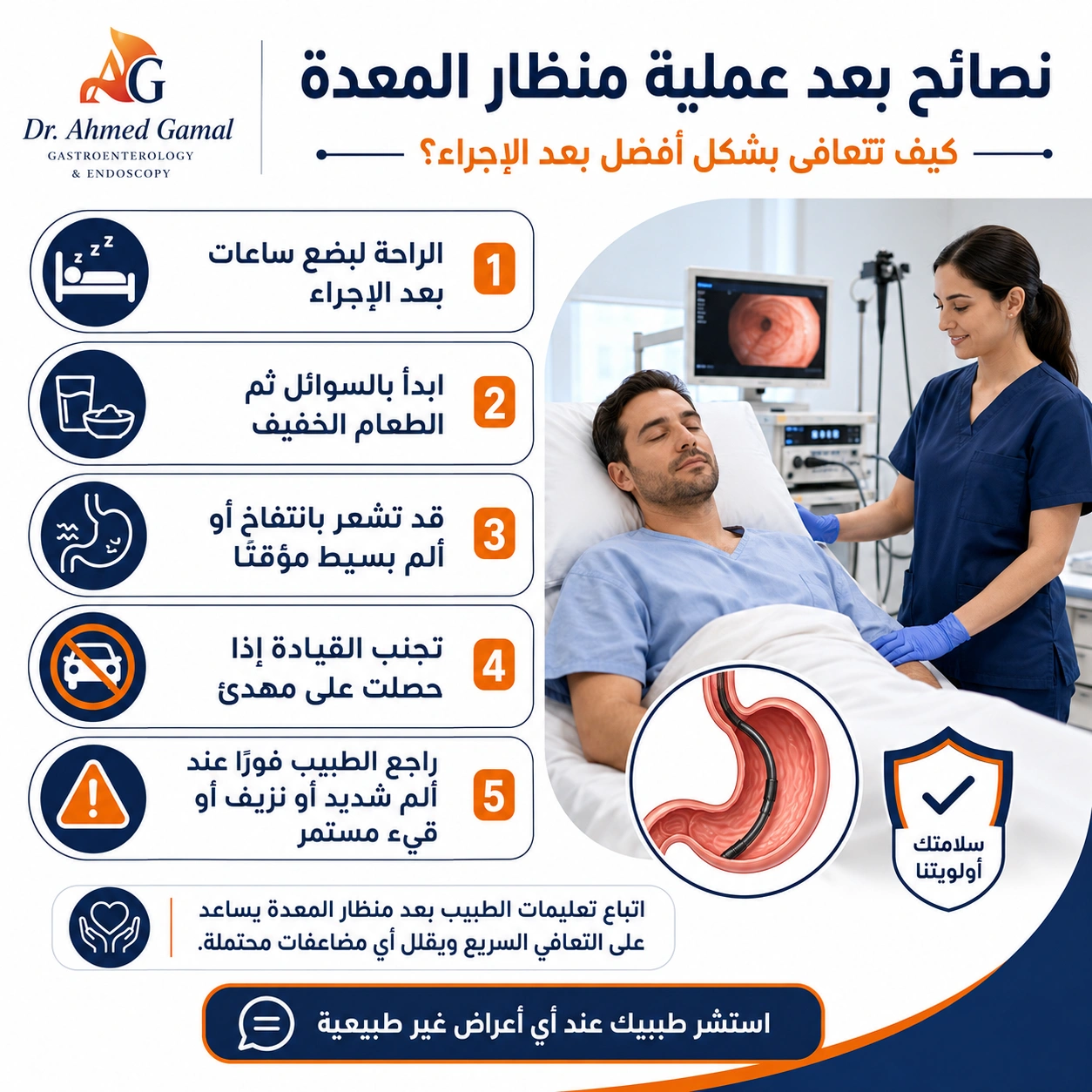
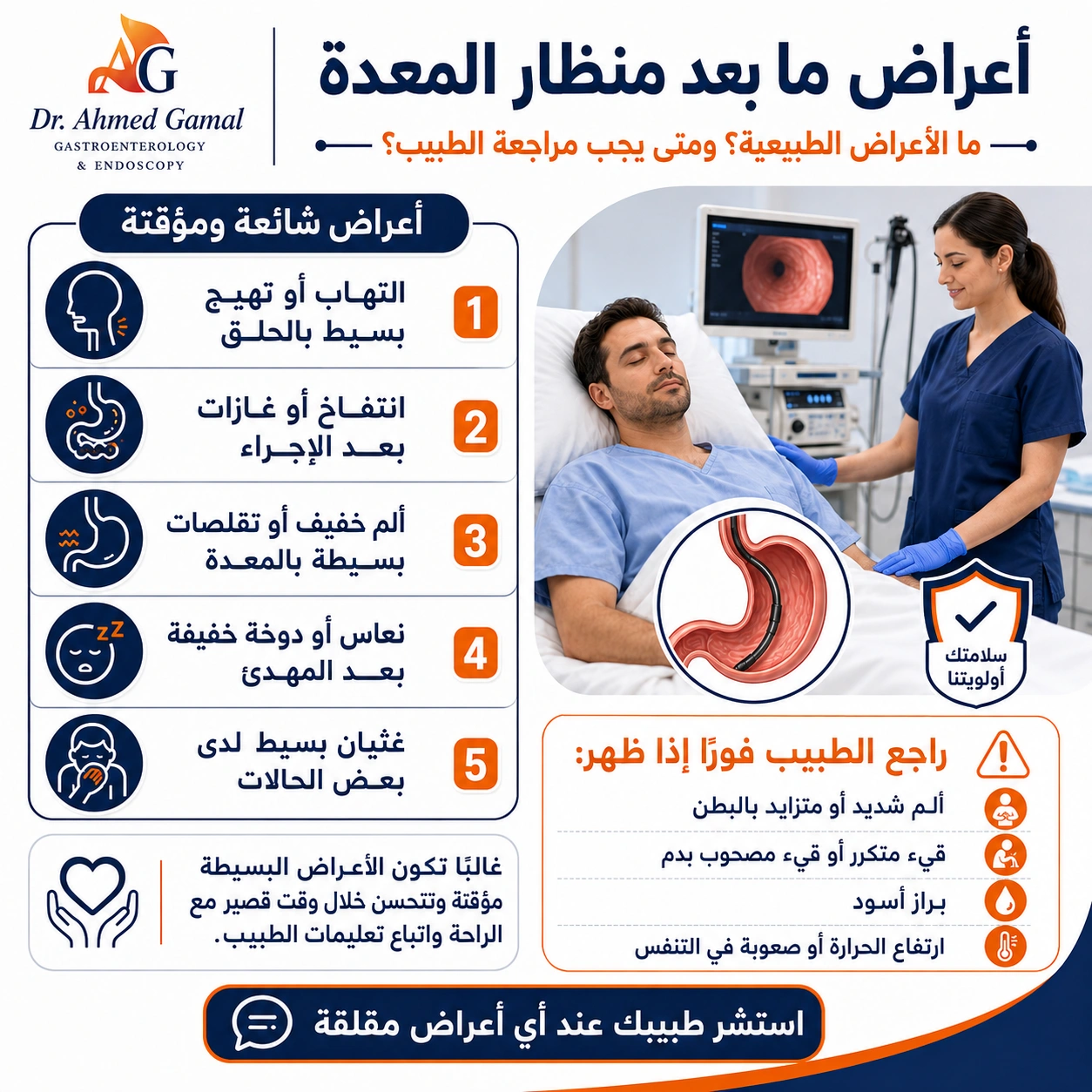
After either procedure, patients normally progress from liquids to soft food according to the treating team’s instructions. Medication may continue during healing. Severe or increasing pain, inability to swallow liquids, vomiting blood, black stools, fever, breathing difficulty, or marked abdominal swelling requires urgent medical advice.
Can you stop GERD medication afterwards?
Some patients reduce or stop proton pump inhibitors after successful treatment, while others continue a lower dose or use medication when needed. Do not stop treatment immediately without medical advice. The doctor may recommend medication during healing and later review symptoms and, when appropriate, objective test results.
How Dr Ahmed Gamal chooses between GERDx and ARMA
Dr Ahmed Gamal reviews the symptom pattern, response to medication, endoscopy findings, hiatus hernia size, pH study, oesophageal motility, previous treatment, and anaesthetic risk. The right recommendation may be continued medical treatment, lifestyle measures, an endoscopic procedure, or surgery. The aim is to match treatment to the confirmed cause and anatomy rather than choosing an option simply because it is newer.
This article provides general education and does not replace an individual medical consultation.
Frequently asked questions
Is GERDx better than ARMA?
There is not enough strong direct evidence to say that one is better for every patient. Suitability depends on test results, anatomy, risks, and specialist experience.
Do GERDx and ARMA cure reflux permanently?
No procedure guarantees a permanent cure. Symptoms can improve, but reflux may persist or return and medication or another intervention may still be needed.
Can either procedure repair a large hiatus hernia?
Usually not. A large hiatus hernia is a structural problem that often needs surgical repair after specialist assessment.
When will symptoms improve?
Improvement varies. GERDx changes the junction immediately, while the effect of ARMA develops as tissue heals. Final assessment should not be made immediately after treatment.
Are the procedures painful?
They are performed under sedation or anaesthesia. Temporary throat, chest, or upper abdominal discomfort and swallowing difficulty can occur during recovery.
Other Articles