Best Doctor for Upper GI Endoscopy and Colonoscopy in Heliopolis, Egypt 2026
When searching for the best doctor for gastroscopy and colonoscopy in Heliopolis, focus on the doctor’s relevant endoscopy experience, the safety of the facility, clear preparation instructions and reliable follow-up. Gastroscopy examines the oesophagus, stomach and duodenum, while colonoscopy examines the rectum and colon. Dr Ahmed Gamal provides gastroenterology, hepatology and diagnostic and therapeutic endoscopy care, and can assess which procedure is appropriate for the individual case.
Call the clinic Book through WhatsApp
What are gastroscopy and colonoscopy?
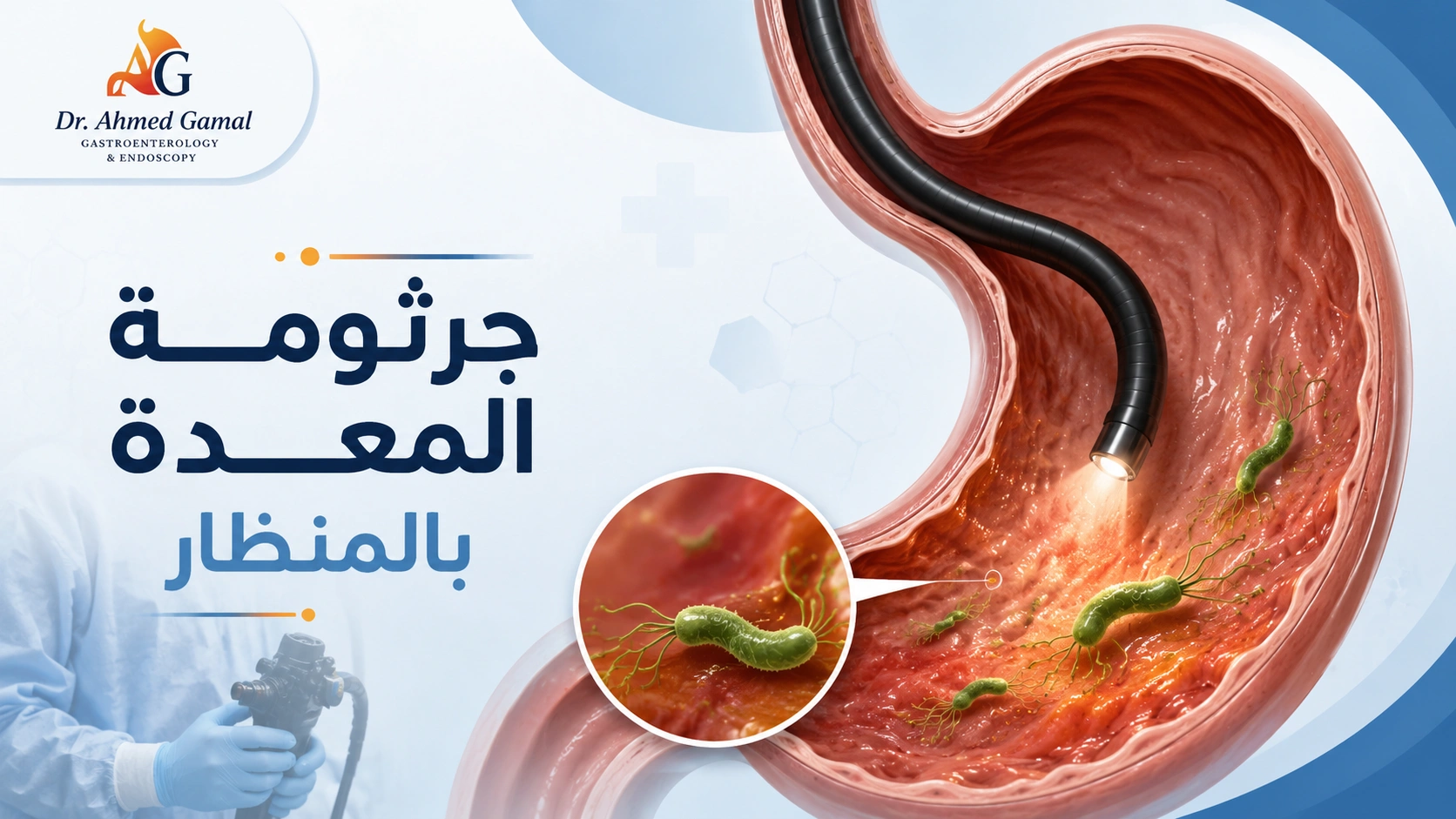
Both procedures use a thin flexible camera to examine the digestive tract. Gastroscopy enters through the mouth and examines the upper digestive tract. Colonoscopy enters through the rectum and examines the large bowel. They can diagnose disease, take biopsies and sometimes provide treatment during the same session.
How to choose an endoscopy doctor
The word “best” is individual rather than an official ranking. Choose a specialist whose experience matches the patient’s symptoms and the intervention that may be required. Ask about the facility, sedation, infection control, reporting and follow-up.
- Experience in both diagnostic and therapeutic endoscopy.
- A clear explanation of indications, alternatives and risks.
- Appropriate anaesthesia, monitoring and recovery support.
- Documented cleaning and disinfection processes.
- Access to biopsy, pathology and polyp-removal services.
- Written preparation and medicine instructions.
- A clear route for receiving results and arranging follow-up.
When gastroscopy may be considered
Gastroscopy may be considered for swallowing difficulty, repeated vomiting, upper gastrointestinal bleeding, unexplained iron-deficiency anaemia, weight loss, persistent upper-abdominal symptoms or selected abnormal test results. Heartburn alone does not always require an endoscopy; the decision depends on age, symptom pattern, response to treatment and alarm signs.
When colonoscopy may be considered
Colonoscopy may be used for rectal bleeding, persistent change in bowel habits, unexplained anaemia, chronic diarrhoea, suspected inflammatory bowel disease, abnormal imaging, colorectal cancer screening or follow-up of previous polyps. The doctor considers age, family history, previous tests and overall health before recommending it.
Can both procedures be performed together?
Gastroscopy and colonoscopy can sometimes be performed during one visit when both are medically indicated and the patient is suitable for the planned sedation. Combining them may avoid two separate preparation and recovery visits, but the decision should be based on clinical need rather than convenience alone.
Preparation for gastroscopy
Patients receive fasting instructions based on the procedure time and facility policy. Tell the team about anticoagulants, antiplatelet medicines, diabetes treatment, allergies, pregnancy, heart or lung disease and previous anaesthesia problems. Do not stop prescribed medicine without direct instructions.
Preparation for colonoscopy
A clean colon is essential for detecting small lesions. Preparation usually includes a temporary diet plan, clear fluids and a prescribed bowel-cleansing solution. Follow timing and fluid instructions exactly. Contact the clinic if vomiting prevents completion or if bowel output remains unclear. Medicine adjustments must be individualised.
Ask about endoscopy Send your question on WhatsApp
What happens during endoscopy?
Before the procedure, the team checks the patient’s identity, consent, medicines and preparation. Monitoring commonly includes pulse, oxygen level and blood pressure. Sedation options depend on the planned procedure, the patient’s health and the facility. During gastroscopy, the camera passes through the mouth. During colonoscopy, it passes through the rectum and moves through the colon.
The doctor may take biopsies, remove selected polyps, treat bleeding or perform another planned intervention. Biopsies are usually not felt. The procedure duration varies according to findings and treatment.
Diagnostic and therapeutic options
Endoscopy can identify ulcers, inflammation, narrowing, sources of bleeding, polyps and suspicious tissue. Therapeutic procedures may include controlling bleeding, dilating selected strictures, removing polyps or foreign bodies and other advanced techniques. Complex procedures need suitable equipment and experienced support staff.
Safety questions to ask
- Where will the procedure take place?
- Who provides sedation and monitors recovery?
- How is the endoscope cleaned and disinfected?
- Could a biopsy or polyp removal be required?
- What does the quoted fee include?
- Who should be contacted after discharge?
- When will pathology results be available?
Possible risks and warning signs
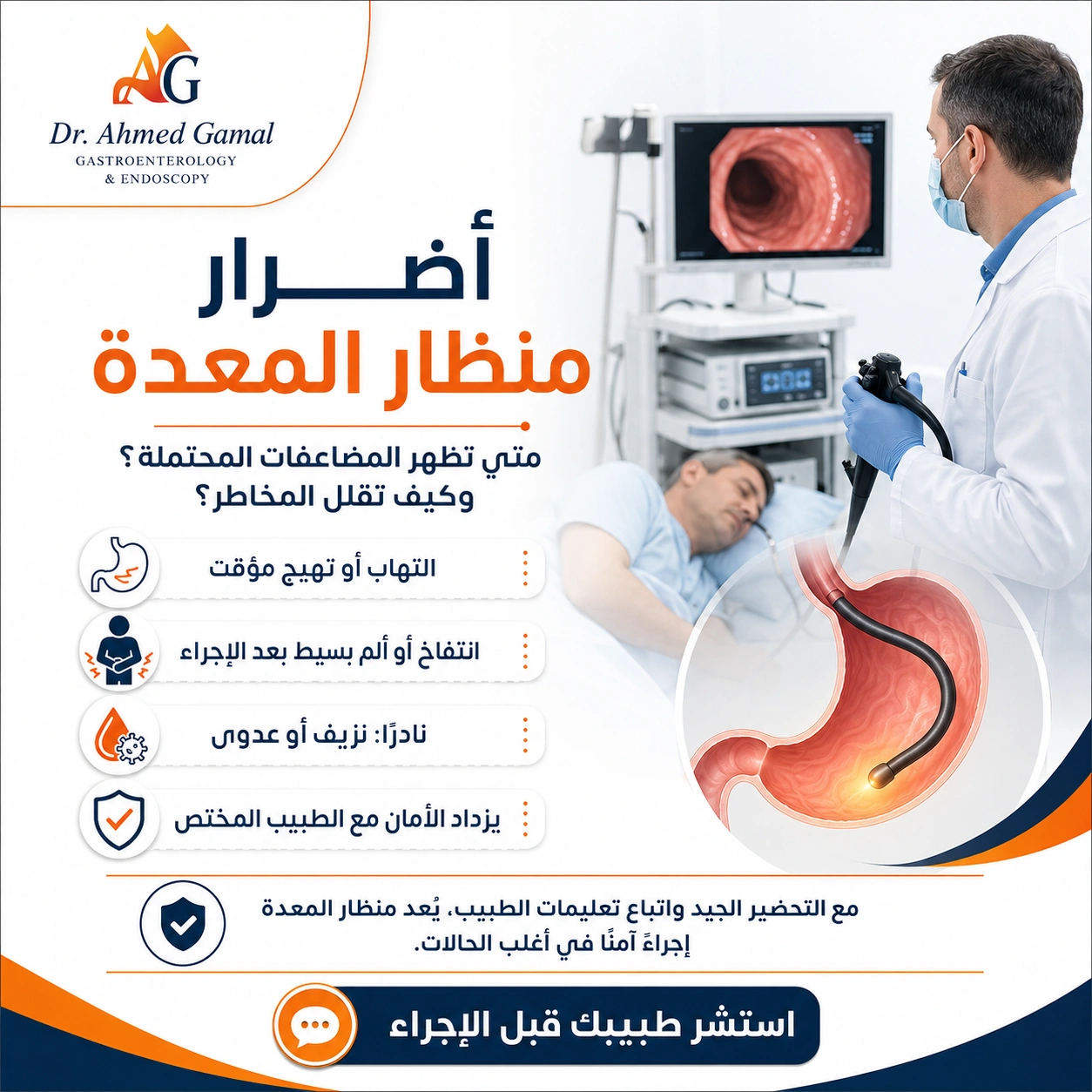
Digestive endoscopy is generally safe when appropriately indicated and performed in a suitable facility, but no procedure is risk-free. Potential complications include reactions to sedation, bleeding, infection and a rare perforation. Risk varies with the patient’s health and whether treatment is performed.
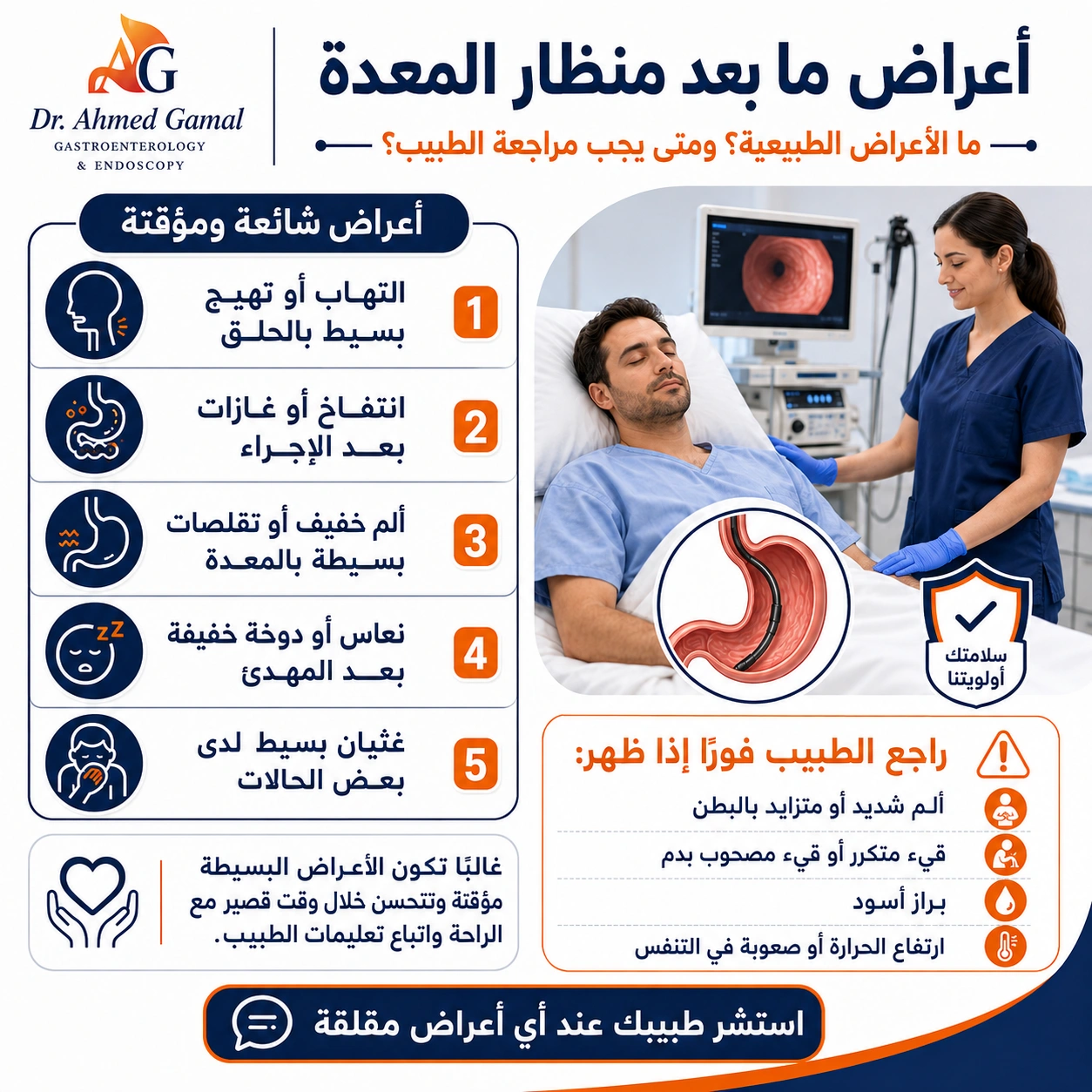
After discharge, seek urgent assessment for severe or increasing abdominal or chest pain, persistent vomiting, fever, breathing difficulty, vomiting blood, black stools, heavy rectal bleeding, fainting or confusion.
Recovery after gastroscopy and colonoscopy
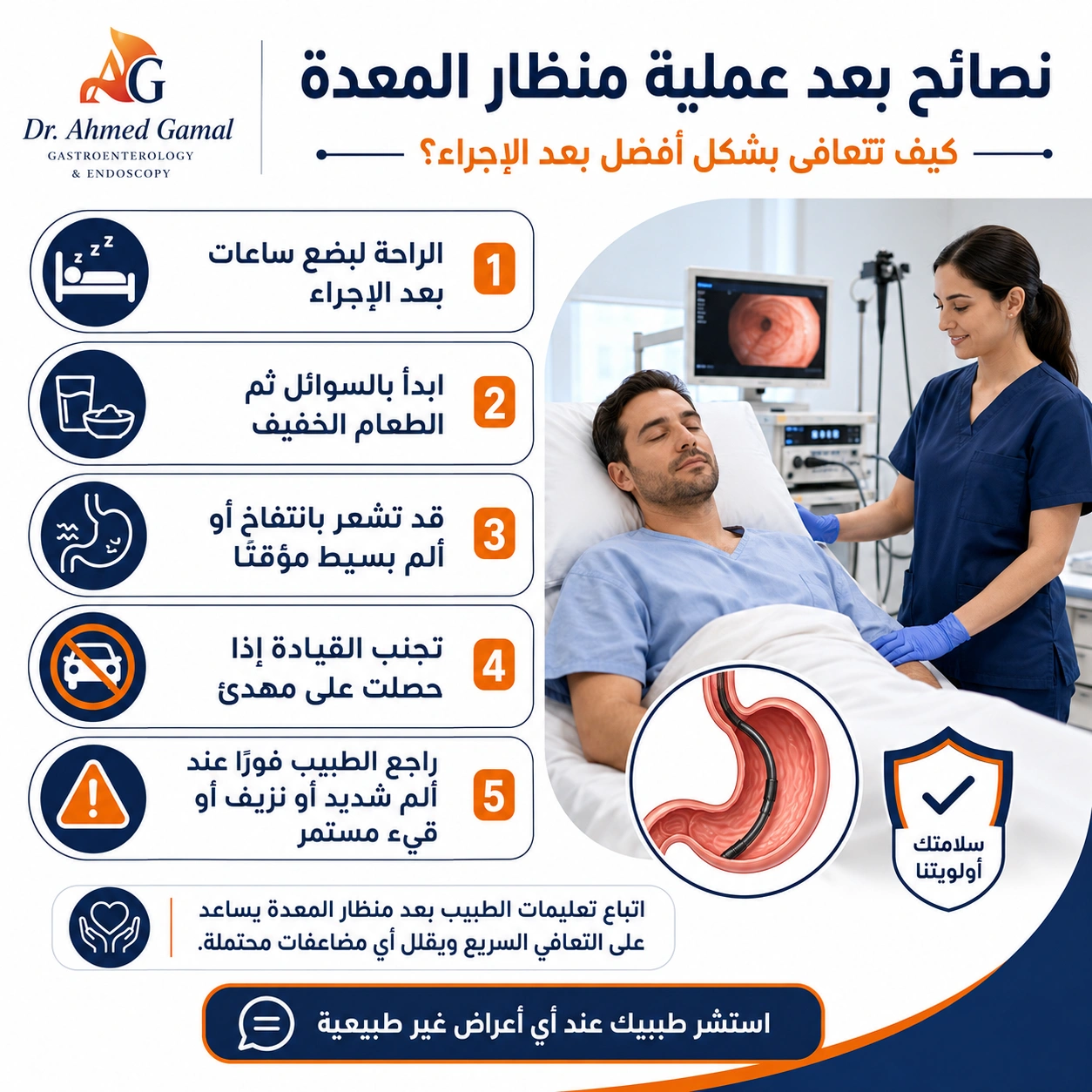
Temporary bloating, gas, mild cramps, throat discomfort or drowsiness may occur. Follow instructions about food, drink, medicines, work and driving. If sedation was used, arrange an escort and avoid driving for the advised period. Read the detailed endoscopy aftercare guide.
Understanding the total cost
The total fee may include or exclude the endoscopy facility, sedation, anaesthetist, biopsy, pathology, polyp removal, therapeutic equipment and follow-up. Ask for a written quotation before the procedure. Relevant guides explain gastroscopy prices and colonoscopy prices in Egypt.
Why follow-up matters
A report must be interpreted alongside the patient’s symptoms, examination and other tests. Biopsy or polyp results can change the treatment plan. Confirm how results will be delivered, which medicines to use, which warning symptoms matter and when the next appointment is due.
About Dr Ahmed Gamal’s services
The official website lists digestive, liver and endoscopy services, including gastroscopy, colonoscopy, biliary endoscopy, polyp removal and management of gastrointestinal bleeding. Browse all services and confirm the current clinic branch and procedure facility before travelling.
Frequently asked questions
Who is the best gastroscopy and colonoscopy doctor in Heliopolis?
There is no official universal ranking. Choose a specialist with appropriate experience, a suitable facility, clear communication and dependable follow-up for your individual condition.
Are gastroscopy and colonoscopy painful?
Patients may feel pressure or temporary discomfort. Local anaesthetic and sedation options are selected according to the procedure and patient’s health.
Can tissue samples be taken?
Yes. Biopsies can assess inflammation, infection and suspicious areas. Colon polyps may also be removed when appropriate and sent for pathology.
Can I drive after sedation?
No. Arrange an adult escort and follow the facility’s written restrictions on driving, work and important decisions.
Does every digestive symptom require endoscopy?
No. Clinical assessment may suggest laboratory tests, imaging or treatment before endoscopy. Alarm signs and screening needs affect the decision.
Other Articles