How long does a gastroscopy take? A comprehensive pre-procedure guide.
Many patients ask how long does a gastroscopy take because they want to plan the day, arrange transport and know what to expect before entering the endoscopy unit. The camera examination itself is usually brief, but the complete visit also includes registration, medical review, preparation, sedation when requested, recovery and discharge instructions. The exact timing depends on your health, the reason for the test and whether the doctor needs to take biopsies or perform treatment.
What is a gastroscopy?
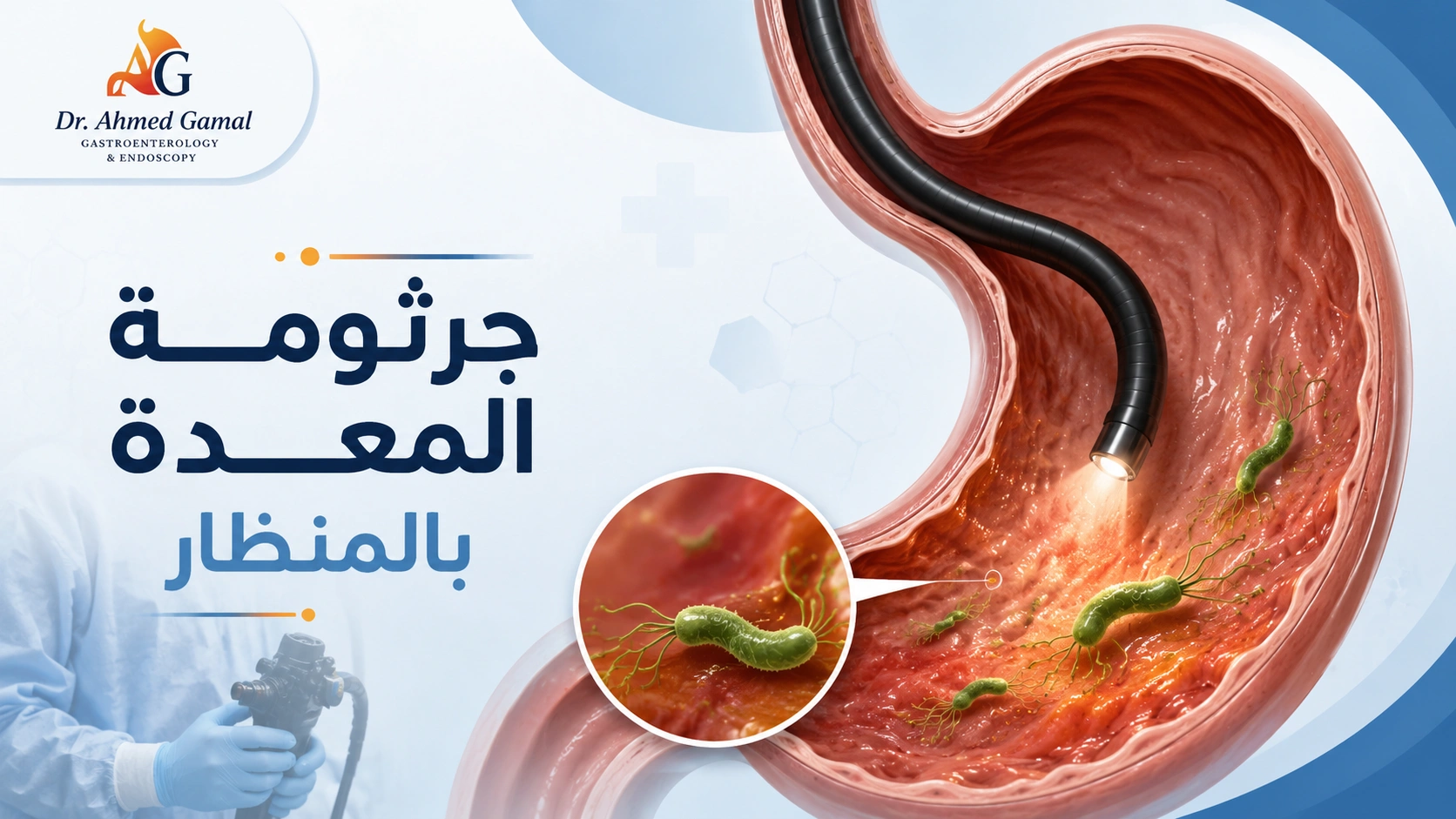
A gastroscopy, also called upper gastrointestinal endoscopy, uses a thin flexible tube with a camera to examine the oesophagus, stomach and the first part of the small intestine. It can help investigate persistent upper abdominal pain, difficulty swallowing, repeated vomiting, unexplained anaemia, gastrointestinal bleeding, reflux symptoms, ulcers and suspected inflammation. It may also allow the doctor to take tiny tissue samples, test for Helicobacter pylori, stop selected bleeding points or treat a narrowing.
You can read more about the examination on the Gastroscopy service page, or review the clinic's wider gastroenterology and endoscopy services.
How long does a gastroscopy take in the procedure room?
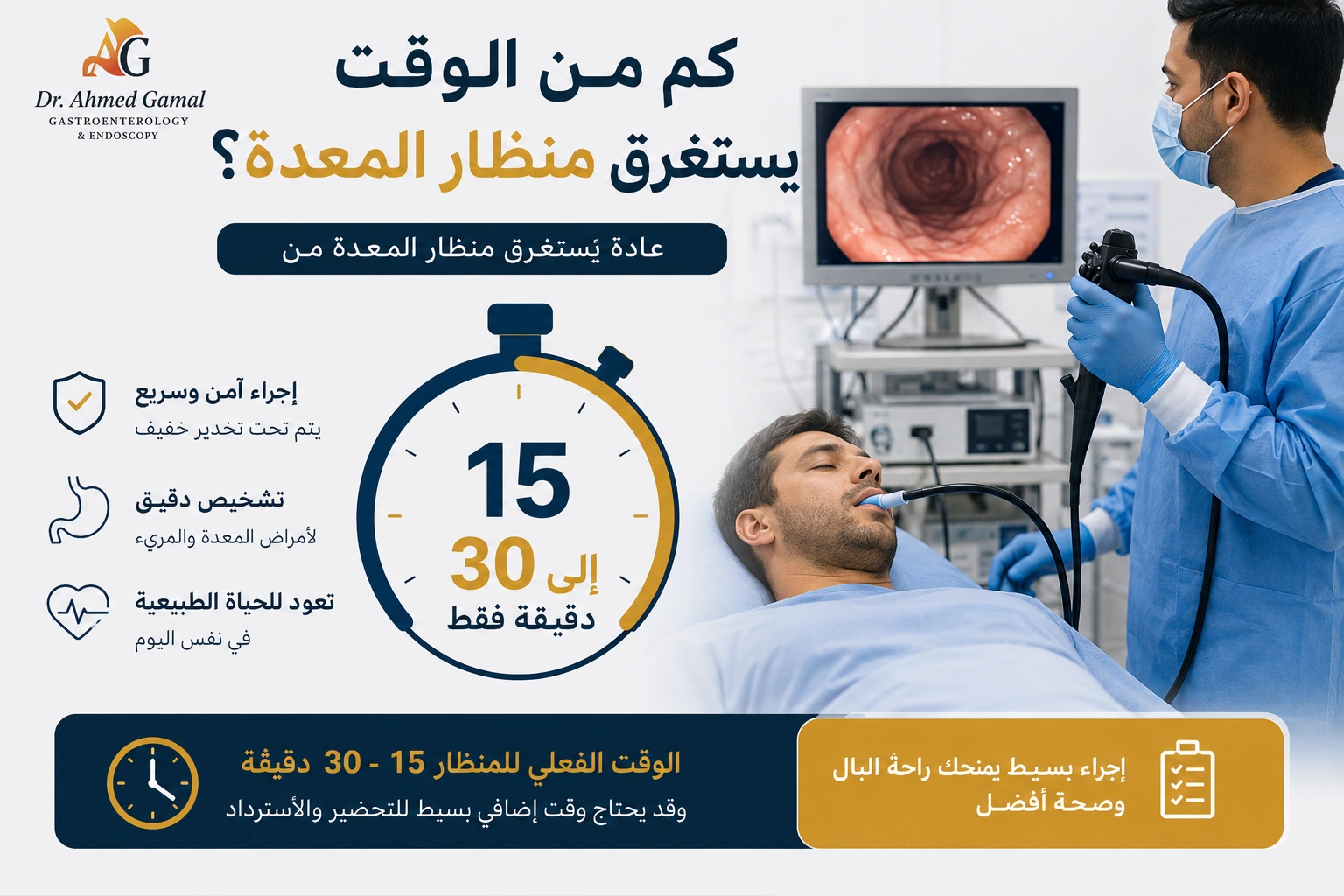
For a straightforward diagnostic examination, the procedure itself commonly takes about 5 to 15 minutes. A more detailed examination may take longer. Biopsies usually add only a small amount of time because taking a sample through the endoscope is quick and the inner lining does not feel a cutting sensation in the same way as skin.
Therapeutic procedures can take longer than a diagnostic test. Examples include controlling bleeding, dilating a narrowing, removing a foreign body or completing another planned intervention. The endoscopy team should explain the expected scope of your procedure in advance, although an unexpected finding can change the time needed.
How long is the complete hospital or clinic visit?
Although the gastroscopy may take only a few minutes, it is sensible to allow two to three hours for the full visit. Some people finish sooner, while others need longer observation. A typical visit includes:
- Registration and assessment: confirming your history, medicines, allergies, fasting and consent.
- Preparation: changing if needed, checking vital signs, placing a cannula when intravenous sedation is planned and applying throat spray.
- The procedure: the examination, photography and any biopsies or treatment.
- Recovery: monitoring until you are alert, comfortable and medically ready to leave.
- Discharge: receiving preliminary findings, written advice and follow-up arrangements.
| Stage | Typical time |
|---|---|
| Registration and medical review | 20–60 minutes |
| Throat spray or sedation preparation | Several minutes |
| Diagnostic gastroscopy | About 5–15 minutes |
| Recovery after sedation | Often 30–90 minutes |
| Results and discharge | Varies by case |
Does sedation make the visit longer?
Yes. Sedation does not necessarily make the camera examination much longer, but it adds preparation and recovery time. If you receive intravenous sedation, the team monitors breathing, oxygen level, pulse and blood pressure until you recover sufficiently. You must follow the unit's instructions about driving, work, legal decisions and alcohol after sedation. Most units require a responsible adult to take you home, and some require someone to stay with you for a period afterwards.
With throat spray alone, recovery can be quicker. You still need to wait until the numbness has worn off before eating or drinking, according to the team's advice. The right option depends on your health, anxiety, procedure and local protocol; it should be agreed with the treating team rather than chosen only to save time.
What can make gastroscopy take longer?
The timing varies because patients and procedures are different. It may take longer when the doctor must examine a difficult area carefully, wash away fluid, take several biopsies, document multiple findings or perform treatment. Previous upper gastrointestinal surgery, a narrowing, bleeding, retained food and some medical conditions can also affect the plan.
Delays before the procedure may occur when fasting instructions were not followed, blood-thinning medicines need review, blood sugar requires adjustment or urgent cases enter the list. Never stop anticoagulants, antiplatelet medicines or diabetes treatment without the prescribing clinician's instructions.
How should I prepare to avoid delays?
Follow the fasting instructions supplied by the endoscopy unit. The required period for food and clear liquids can differ according to the procedure, sedation plan and your medical condition. Tell the team about pregnancy, allergies, heart or lung disease, sleep apnoea, diabetes, implanted devices and all prescription or non-prescription medicines.
Bring previous reports, scans, medication lists and relevant laboratory results. Arrive at the stated time and arrange transport before the appointment if sedation is planned. If you develop fever, breathing symptoms or another new illness, contact the unit rather than deciding alone whether to attend.
What happens during the examination?
You usually lie on your left side. A mouth guard protects your teeth and the endoscope. Oxygen and monitoring may be used, especially with sedation. The flexible tube passes through the mouth and throat; it does not block normal breathing. Air or carbon dioxide is introduced to open the stomach gently, so you may feel temporary fullness or burping.
The doctor examines the lining systematically and records findings. If a biopsy is needed, a tiny instrument passes through the scope. The team then removes the endoscope and transfers you to recovery. Gastroscopy is generally well tolerated, but no medical procedure is risk-free. The clinician should discuss benefits, alternatives and uncommon complications that are relevant to you.
When will I know the results?
The doctor can often explain the visual findings on the same day. If you have sedation, you may not remember every detail, so written instructions and the presence of a responsible adult can help. Biopsy and pathology results take longer, commonly several days, depending on the laboratory and the tests required. A visual impression alone does not replace tissue analysis when a biopsy is clinically necessary.
How long does recovery take?
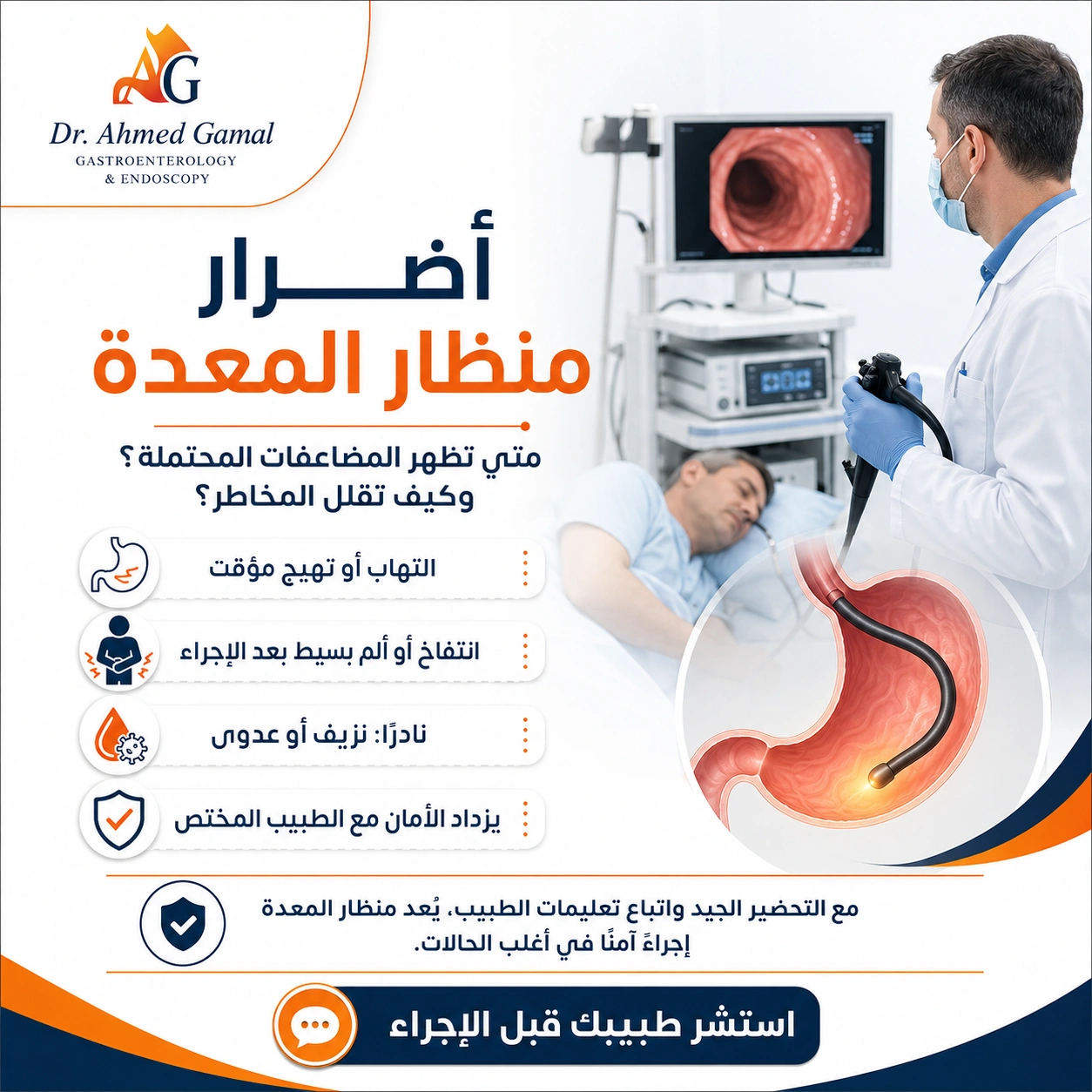
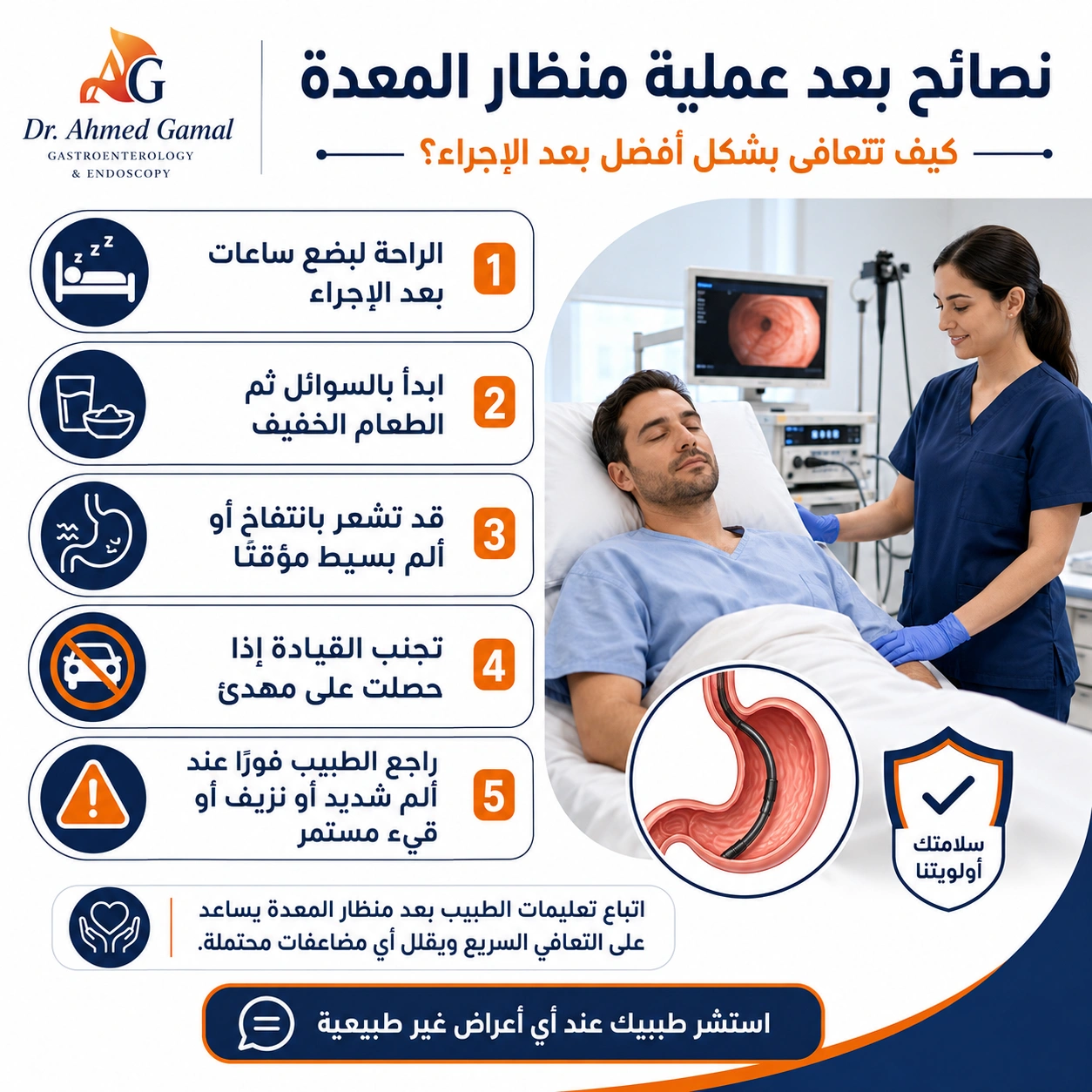
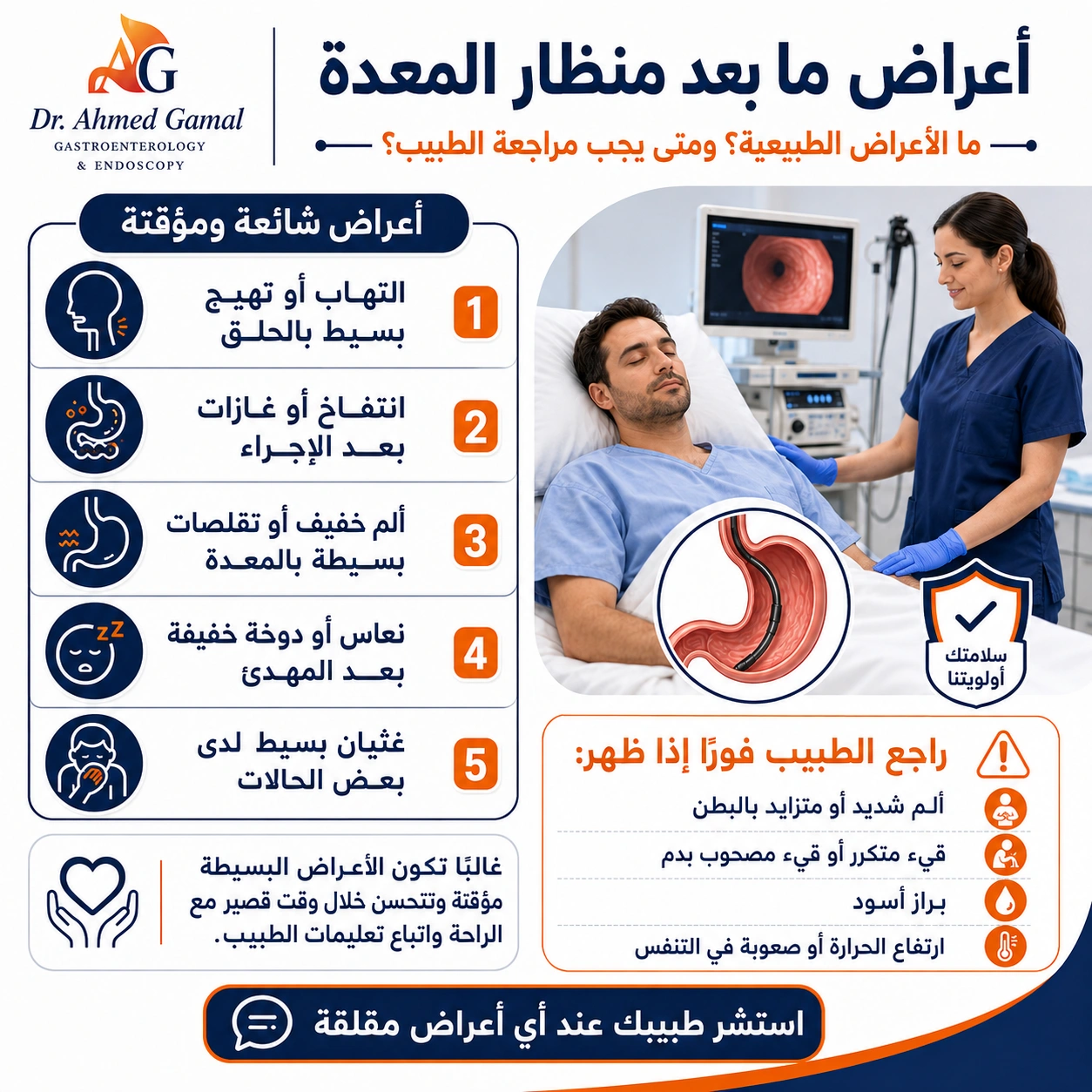
After throat spray alone, you generally wait until swallowing feels normal before eating or drinking. After sedation, observation continues until you meet discharge criteria, but mild drowsiness can persist for the rest of the day. Temporary sore throat, bloating, belching or mild abdominal discomfort can occur.
Follow the discharge instructions about meals, medicines and activity. Seek urgent medical help for severe or increasing chest or abdominal pain, difficulty breathing, repeated vomiting, fever, black stools, vomiting blood, fainting or another symptom that the endoscopy team identifies as urgent.
Can I return to work on the same day?
That depends mainly on sedation and the work you do. After intravenous sedation, plan to rest and avoid driving, operating machinery, signing important documents or making major decisions for the period specified by your medical team. With throat spray alone, some patients resume routine activities sooner, provided they feel well and have followed eating and drinking advice.
For more practical guidance, see the clinic's aftercare guide for gastroscopy and colonoscopy.
Frequently asked questions
Is a 5-minute gastroscopy too short?
Not necessarily. A straightforward diagnostic examination can be brief when views are clear and no intervention is needed. Quality depends on a complete, careful examination and appropriate documentation, not time alone.
Does taking a biopsy make gastroscopy painful?
Most patients do not feel the biopsy itself. They may notice throat discomfort, pressure or bloating from the examination. Sedation and throat spray options should be discussed before the procedure.
How long should I fast before gastroscopy?
Use the exact instructions from your endoscopy unit because the timing for food and liquids varies with clinical circumstances. If you accidentally eat or drink during the fasting period, contact the unit before travelling.
Can gastroscopy and colonoscopy be done together?
They can sometimes be performed in one session when clinically appropriate. The combined appointment takes longer and requires bowel preparation. The doctor should confirm whether combining them is suitable for you.
How long after gastroscopy can I eat?
After throat spray, wait until swallowing has returned safely and follow the team's written advice. If treatment was performed, dietary instructions may be different.
Should I cancel my whole day?
If sedation is planned, arrange transport and keep the day free. Even without sedation, allow enough time for assessment, the procedure and discharge rather than planning around the camera time alone.
This article provides general education and does not replace an assessment by your treating clinician. Procedure timing and preparation must be confirmed with the endoscopy unit.
894 button Cancel 895 button Save The focused UI element is 893 text entry area (settable)
Many patients ask how long does a gastroscopy take because they want to plan the day, arrange transport and know what to expect before entering the endoscopy unit. The camera examination itself is usually brief, but the complete visit also includes registration, medical review, preparation, sedation when requested, recovery and discharge instructions. The exact timing depends on your health, the reason for the test and whether the doctor needs to take biopsies or perform treatment.
What is a gastroscopy?
A gastroscopy, also called upper gastrointestinal endoscopy, uses a thin flexible tube with a camera to examine the oesophagus, stomach and the first part of the small intestine. It can help investigate persistent upper abdominal pain, difficulty swallowing, repeated vomiting, unexplained anaemia, gastrointestinal bleeding, reflux symptoms, ulcers and suspected inflammation. It may also allow the doctor to take tiny tissue samples, test for Helicobacter pylori, stop selected bleeding points or treat a narrowing.
You can read more about the examination on the Gastroscopy service page, or review the clinic's wider gastroenterology and endoscopy services.
How long does a gastroscopy take in the procedure room?
For a straightforward diagnostic examination, the procedure itself commonly takes about 5 to 15 minutes. A more detailed examination may take longer. Biopsies usually add only a small amount of time because taking a sample through the endoscope is quick and the inner lining does not feel a cutting sensation in the same way as skin.
Therapeutic procedures can take longer than a diagnostic test. Examples include controlling bleeding, dilating a narrowing, removing a foreign body or completing another planned intervention. The endoscopy team should explain the expected scope of your procedure in advance, although an unexpected finding can change the time needed.
How long is the complete hospital or clinic visit?
Although the gastroscopy may take only a few minutes, it is sensible to allow two to three hours for the full visit. Some people finish sooner, while others need longer observation. A typical visit includes:
- Registration and assessment: confirming your history, medicines, allergies, fasting and consent.
- Preparation: changing if needed, checking vital signs, placing a cannula when intravenous sedation is planned and applying throat spray.
- The procedure: the examination, photography and any biopsies or treatment.
- Recovery: monitoring until you are alert, comfortable and medically ready to leave.
- Discharge: receiving preliminary findings, written advice and follow-up arrangements.
| Stage | Typical time |
|---|---|
| Registration and medical review | 20–60 minutes |
| Throat spray or sedation preparation | Several minutes |
| Diagnostic gastroscopy | About 5–15 minutes |
| Recovery after sedation | Often 30–90 minutes |
| Results and discharge | Varies by case |
Does sedation make the visit longer?
Yes. Sedation does not necessarily make the camera examination much longer, but it adds preparation and recovery time. If you receive intravenous sedation, the team monitors breathing, oxygen level, pulse and blood pressure until you recover sufficiently. You must follow the unit's instructions about driving, work, legal decisions and alcohol after sedation. Most units require a responsible adult to take you home, and some require someone to stay with you for a period afterwards.
With throat spray alone, recovery can be quicker. You still need to wait until the numbness has worn off before eating or drinking, according to the team's advice. The right option depends on your health, anxiety, procedure and local protocol; it should be agreed with the treating team rather than chosen only to save time.
What can make gastroscopy take longer?
The timing varies because patients and procedures are different. It may take longer when the doctor must examine a difficult area carefully, wash away fluid, take several biopsies, document multiple findings or perform treatment. Previous upper gastrointestinal surgery, a narrowing, bleeding, retained food and some medical conditions can also affect the plan.
Delays before the procedure may occur when fasting instructions were not followed, blood-thinning medicines need review, blood sugar requires adjustment or urgent cases enter the list. Never stop anticoagulants, antiplatelet medicines or diabetes treatment without the prescribing clinician's instructions.
How should I prepare to avoid delays?
Follow the fasting instructions supplied by the endoscopy unit. The required period for food and clear liquids can differ according to the procedure, sedation plan and your medical condition. Tell the team about pregnancy, allergies, heart or lung disease, sleep apnoea, diabetes, implanted devices and all prescription or non-prescription medicines.
Bring previous reports, scans, medication lists and relevant laboratory results. Arrive at the stated time and arrange transport before the appointment if sedation is planned. If you develop fever, breathing symptoms or another new illness, contact the unit rather than deciding alone whether to attend.
What happens during the examination?
You usually lie on your left side. A mouth guard protects your teeth and the endoscope. Oxygen and monitoring may be used, especially with sedation. The flexible tube passes through the mouth and throat; it does not block normal breathing. Air or carbon dioxide is introduced to open the stomach gently, so you may feel temporary fullness or burping.
The doctor examines the lining systematically and records findings. If a biopsy is needed, a tiny instrument passes through the scope. The team then removes the endoscope and transfers you to recovery. Gastroscopy is generally well tolerated, but no medical procedure is risk-free. The clinician should discuss benefits, alternatives and uncommon complications that are relevant to you.
When will I know the results?
The doctor can often explain the visual findings on the same day. If you have sedation, you may not remember every detail, so written instructions and the presence of a responsible adult can help. Biopsy and pathology results take longer, commonly several days, depending on the laboratory and the tests required. A visual impression alone does not replace tissue analysis when a biopsy is clinically necessary.
How long does recovery take?
After throat spray alone, you generally wait until swallowing feels normal before eating or drinking. After sedation, observation continues until you meet discharge criteria, but mild drowsiness can persist for the rest of the day. Temporary sore throat, bloating, belching or mild abdominal discomfort can occur.
Follow the discharge instructions about meals, medicines and activity. Seek urgent medical help for severe or increasing chest or abdominal pain, difficulty breathing, repeated vomiting, fever, black stools, vomiting blood, fainting or another symptom that the endoscopy team identifies as urgent.
Can I return to work on the same day?
That depends mainly on sedation and the work you do. After intravenous sedation, plan to rest and avoid driving, operating machinery, signing important documents or making major decisions for the period specified by your medical team. With throat spray alone, some patients resume routine activities sooner, provided they feel well and have followed eating and drinking advice.
For more practical guidance, see the clinic's aftercare guide for gastroscopy and colonoscopy.
Frequently asked questions
Is a 5-minute gastroscopy too short?
Not necessarily. A straightforward diagnostic examination can be brief when views are clear and no intervention is needed. Quality depends on a complete, careful examination and appropriate documentation, not time alone.
Does taking a biopsy make gastroscopy painful?
Most patients do not feel the biopsy itself. They may notice throat discomfort, pressure or bloating from the examination. Sedation and throat spray options should be discussed before the procedure.
How long should I fast before gastroscopy?
Use the exact instructions from your endoscopy unit because the timing for food and liquids varies with clinical circumstances. If you accidentally eat or drink during the fasting period, contact the unit before travelling.
Can gastroscopy and colonoscopy be done together?
They can sometimes be performed in one session when clinically appropriate. The combined appointment takes longer and requires bowel preparation. The doctor should confirm whether combining them is suitable for you.
How long after gastroscopy can I eat?
After throat spray, wait until swallowing has returned safely and follow the team's written advice. If treatment was performed, dietary instructions may be different.
Should I cancel my whole day?
If sedation is planned, arrange transport and keep the day free. Even without sedation, allow enough time for assessment, the procedure and discharge rather than planning around the camera time alone.
This article provides general education and does not replace an assessment by your treating clinician. Procedure timing and preparation must be confirmed with the endoscopy unit.
Other Articles