What is an upper endoscopy and colonoscopy?
What is an upper endoscopy and colonoscopy? Upper endoscopy examines the oesophagus, stomach, and duodenum through the mouth, while colonoscopy examines the rectum and colon through the anus. Both procedures use a thin flexible tube with a camera, but they investigate different parts of the digestive system and require different preparation.
A gastroenterologist may recommend one procedure or both depending on symptoms, medical history, screening needs, and previous test results. These procedures can diagnose disease, take biopsies, remove polyps, control bleeding, or perform other treatments during the same session.
Call Dr Ahmed Gamal's clinic to discuss which procedure is appropriate or send a WhatsApp booking enquiry.
What is upper endoscopy?
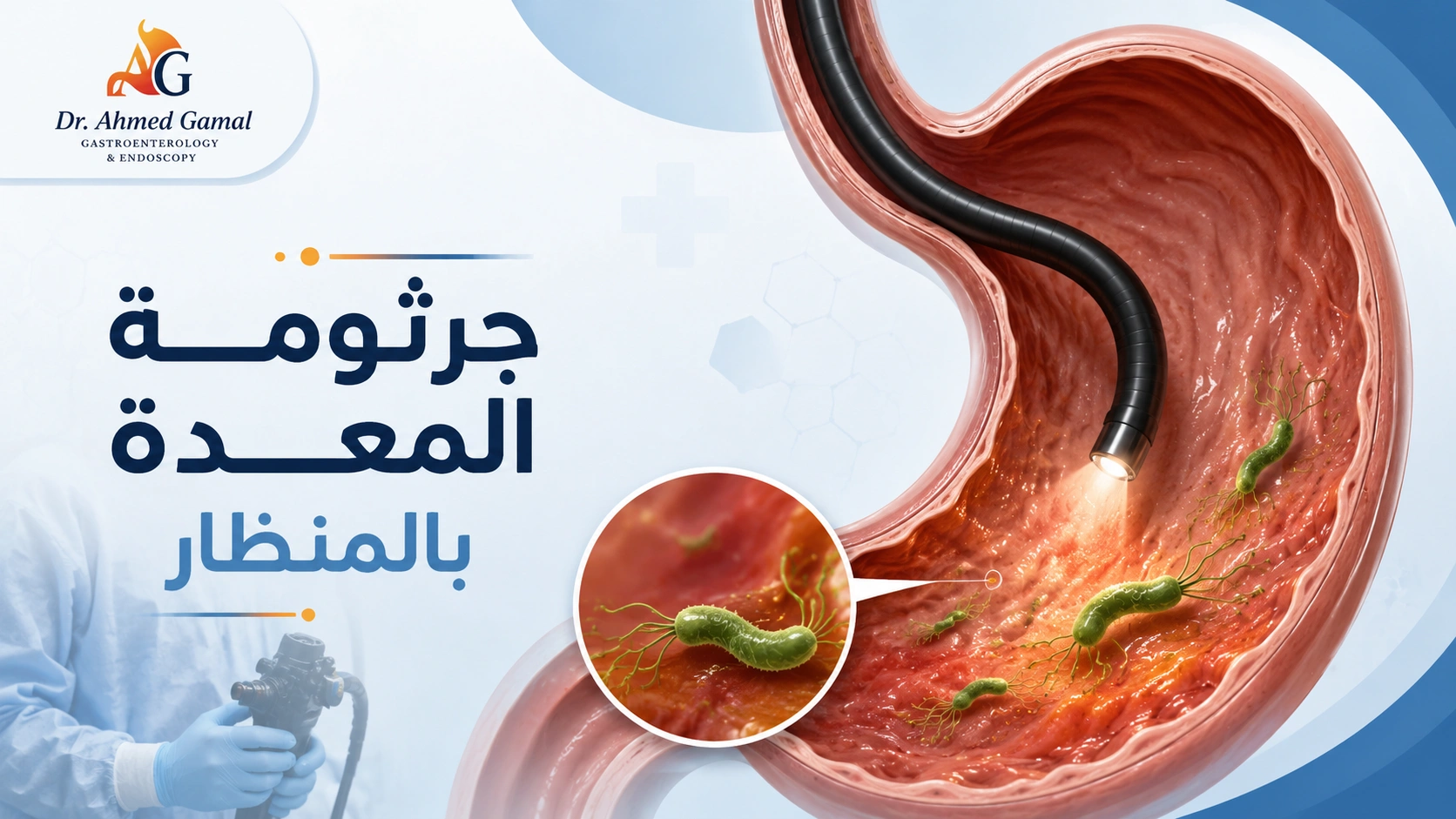
Upper endoscopy, also called gastroscopy or EGD, uses a flexible camera passed through the mouth to inspect the upper digestive tract. It allows the doctor to see the lining of the oesophagus, stomach, and first part of the small intestine.
During the procedure, the doctor may take small tissue samples, treat bleeding, dilate a narrowing, remove a foreign body, or perform another indicated intervention.
What is colonoscopy?
Colonoscopy uses a flexible camera passed through the anus to examine the rectum and colon. It can identify inflammation, bleeding, polyps, narrowing, and other changes. Polyps may often be removed during the examination and sent for laboratory analysis.
What is the difference between gastroscopy and colonoscopy?
| Feature | Upper endoscopy | Colonoscopy |
|---|---|---|
| Area examined | Oesophagus, stomach and duodenum | Rectum and colon |
| Entry route | Mouth | Anus |
| Main preparation | Fasting | Diet instructions and bowel-cleansing medicine |
| Common reasons | Swallowing problems, upper pain, bleeding, persistent vomiting | Bleeding, bowel-habit change, anaemia, screening, polyp follow-up |
| Possible treatment | Biopsy, bleeding control, dilation, foreign-body removal | Biopsy, polyp removal, bleeding control, dilation in selected cases |
Why might a doctor recommend upper endoscopy?
- Difficulty or pain when swallowing.
- Persistent upper-abdominal pain or indigestion.
- Repeated vomiting.
- Vomiting blood or black stools.
- Unexplained anaemia or weight loss.
- Suspected ulcer or an abnormal imaging result.
- Follow-up of selected oesophageal or stomach conditions.
Not every case of heartburn or stomach discomfort needs an endoscopy. The doctor first considers age, warning signs, treatment response, and other investigations.
Why might a doctor recommend colonoscopy?
- Rectal bleeding or blood detected in stool.
- A persistent change in bowel habits.
- Unexplained iron-deficiency anaemia.
- Ongoing diarrhoea or suspected inflammation.
- Unexplained weight loss or abdominal symptoms.
- Colorectal cancer screening.
- Previous polyps or a family history that changes screening risk.
Can upper endoscopy and colonoscopy be done together?
Yes, when both are clinically indicated they can often be performed during the same visit. This may be useful when investigating unexplained anaemia, gastrointestinal bleeding, or simultaneous upper and lower digestive symptoms.
Combining them can reduce repeated visits and sedation, but the patient still needs full bowel preparation and fasting. The doctor decides whether a combined session is safe and useful.
Ask the clinic whether one or both procedures are needed or contact the team on WhatsApp.
How to prepare for upper endoscopy
The stomach must be empty. Follow the exact fasting time provided by the endoscopy unit. Tell the doctor about blood thinners, diabetes medicines, allergies, pregnancy, heart or lung disease, sleep apnoea, and previous sedation problems.
Do not stop prescribed medicines without instructions. Arrange an adult escort if sedation will be used.
How to prepare for colonoscopy
The colon must be clean so the doctor can inspect the lining and identify small polyps. Preparation usually includes temporary diet changes, clear liquids, and a prescribed bowel-cleansing solution taken at specified times.
Finishing the preparation and following the timing are essential. Poor cleansing may hide important findings, lengthen the procedure, or require a repeat colonoscopy.
What happens during upper endoscopy?
The patient lies on one side. Throat-numbing medicine and/or intravenous sedation may be used. The endoscope passes through the mouth into the upper digestive tract. The camera sends images to a monitor, and small instruments can pass through the scope for biopsy or treatment.
The scope does not block breathing. A diagnostic examination is usually brief, but preparation and recovery add to the total visit time.
What happens during colonoscopy?
The patient lies on one side and usually receives intravenous sedation. The colonoscope passes gently through the rectum and colon. Air or carbon dioxide expands the colon for a clear view. The doctor may change the patient's position or apply gentle abdominal pressure to help the scope advance.
Are gastroscopy and colonoscopy painful?
Most patients report pressure, bloating, gagging, or brief cramps rather than severe pain. Sedation reduces awareness and discomfort. The appropriate plan depends on the procedure, health history, previous experience, and the facility.
Read more in Is Gastroscopy and Colonoscopy Painful?.
What can biopsy show?
Biopsy samples can help diagnose inflammation, infection such as H. pylori, coeliac disease, microscopic changes, and abnormal cells. Taking a biopsy does not by itself mean that cancer is suspected. Results require laboratory examination and are not always available on the day of the procedure.
What is polyp removal?
A colon polyp is a growth from the bowel lining. Many polyps can be removed through the colonoscope using specialised instruments. The tissue is sent to pathology to determine its type and whether further follow-up is needed.
What happens after the procedures?
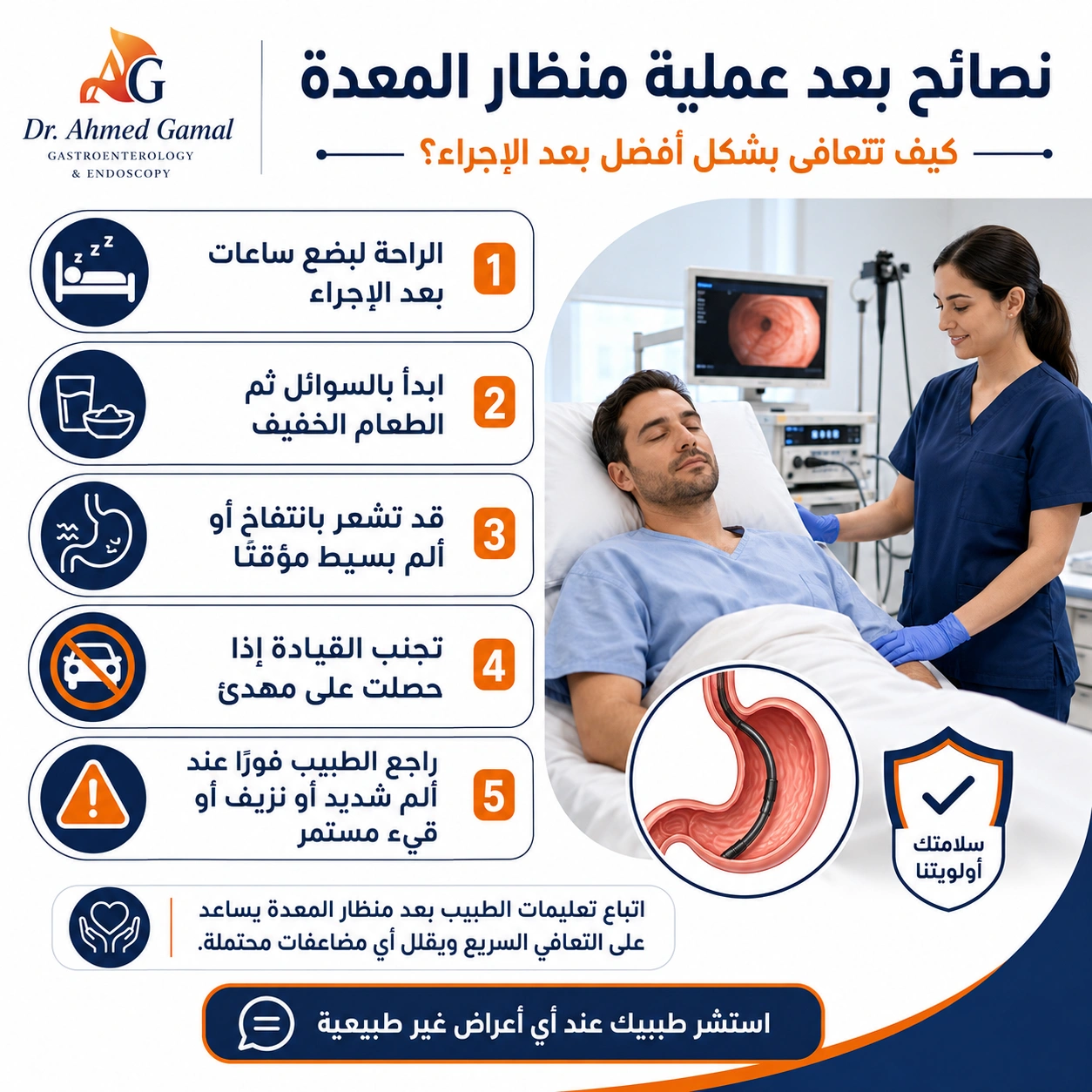
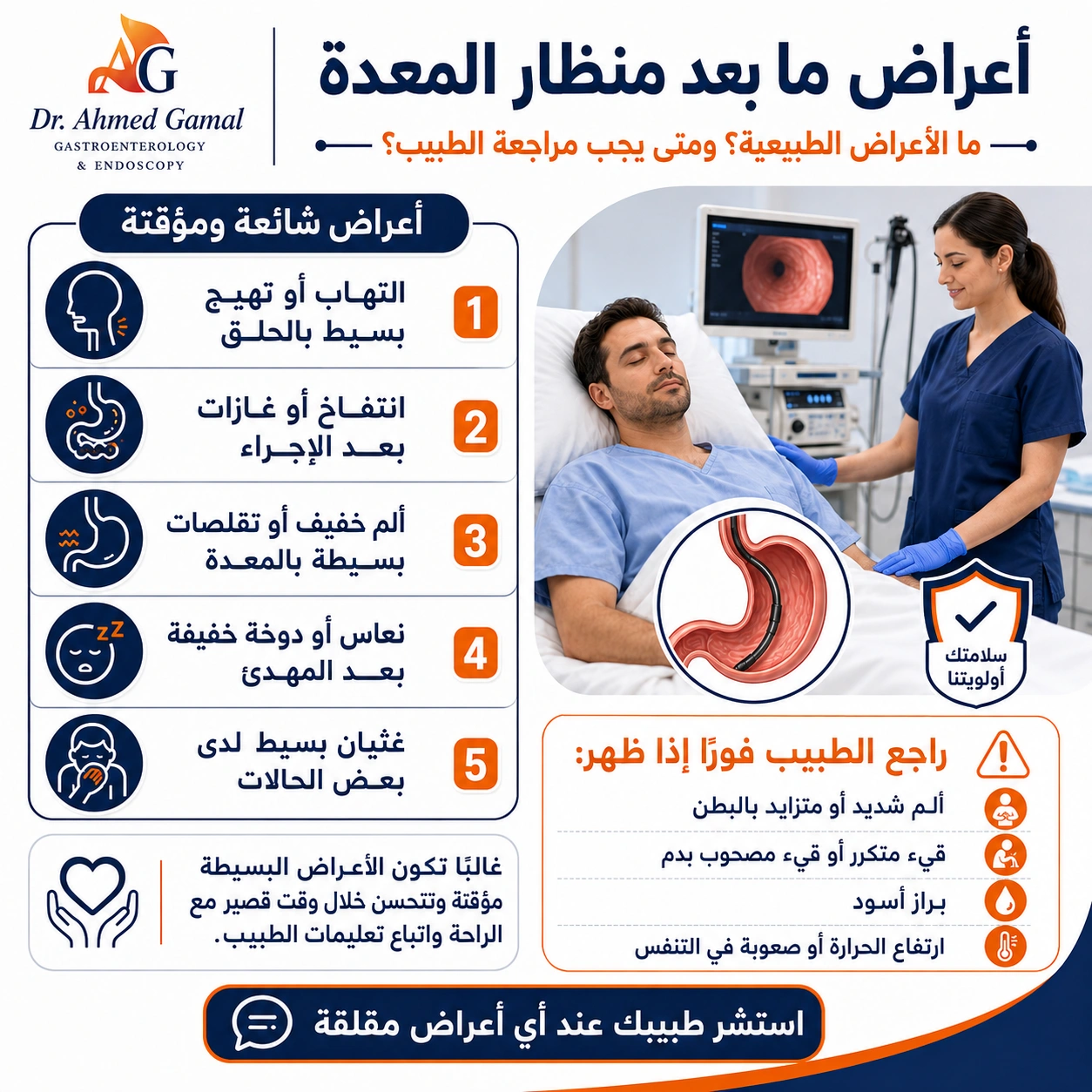
After sedation, the patient stays in recovery until the clinical team considers discharge safe. Mild bloating, gas, cramps, or a sore throat can occur. An adult should take the patient home, and driving or important decisions are avoided for the period specified by the centre.
Follow the individual instructions about food, medicines, exercise, travel, biopsy results, and follow-up. Guidance may be stricter after polyp removal or another treatment.
Risks of upper endoscopy and colonoscopy
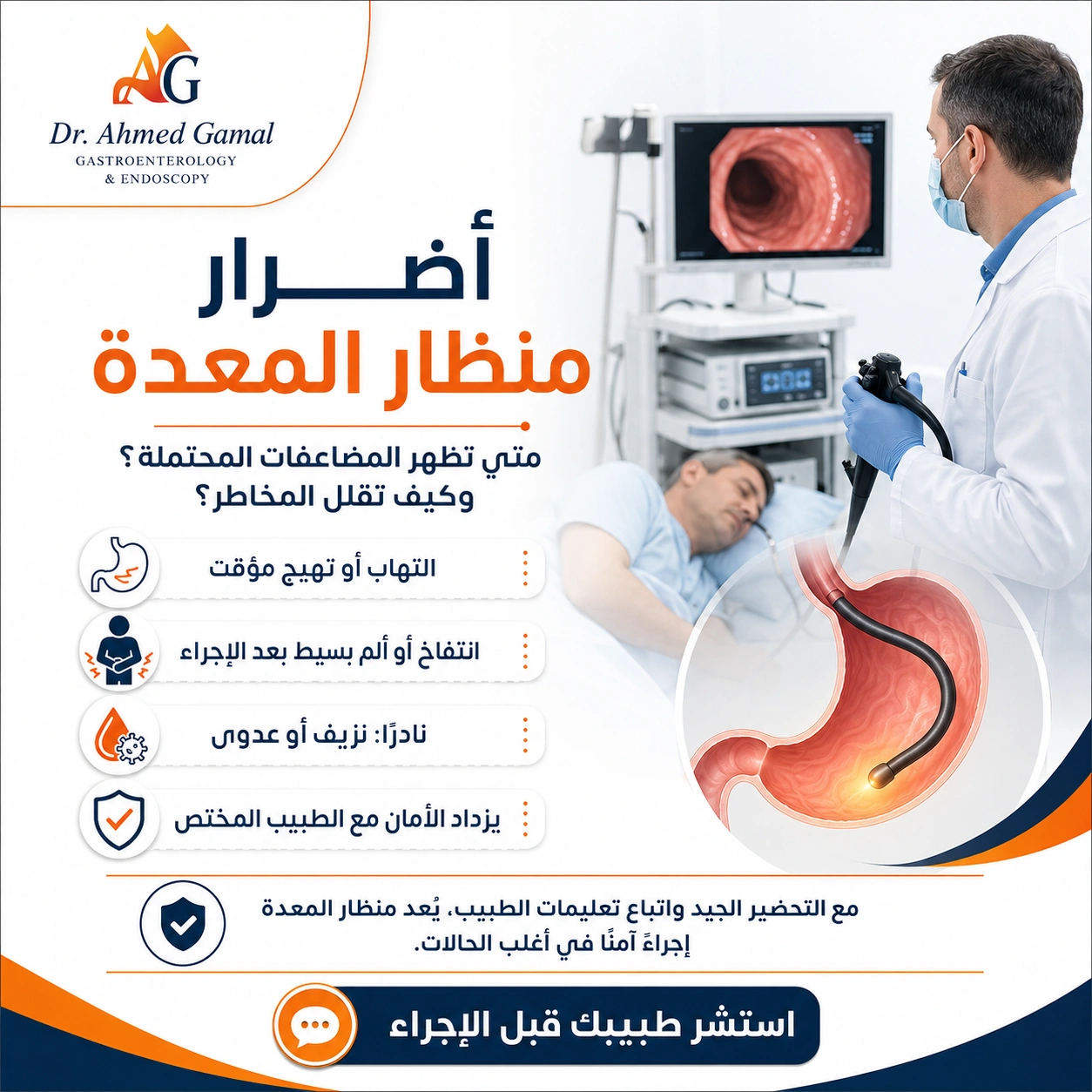
Serious complications are uncommon. Potential risks include a reaction to sedation, bleeding, infection in selected circumstances, and a perforation or tear in the digestive tract. Risk varies with the patient's health and whether treatment is performed.
When to seek urgent help
- Severe or worsening chest or abdominal pain.
- Difficulty breathing or worsening difficulty swallowing.
- Fever, fainting, or marked weakness.
- Vomiting blood or passing black stools.
- Significant or increasing rectal bleeding.
- Repeated vomiting or a hard, swollen abdomen.
How long do the procedures take?
A straightforward gastroscopy often takes around 10–20 minutes. Colonoscopy commonly takes longer, especially if polyps are removed or treatment is needed. Registration, preparation, sedation and recovery make the total visit longer than the examination itself.
When will results be available?
The doctor may explain visual findings after recovery. Sedation can affect memory, so having an accompanying adult hear the instructions is helpful. Biopsy and polyp results take additional time. Confirm how and when results will be communicated.
How much do upper endoscopy and colonoscopy cost?
Cost depends on the facility, sedation, biopsies, pathology, polyp removal, and therapeutic devices. Ask whether the quotation includes the doctor, anaesthetist, endoscopy room, disposables, recovery, report, and follow-up.
For one common procedure, review the guide to the price of a gastric endoscopy in Egypt.
Choosing the appropriate procedure
Symptoms alone do not always identify which part of the digestive system is responsible. A consultation helps the doctor decide whether upper endoscopy, colonoscopy, both, or a different investigation is appropriate. Browse the clinic's gastroenterology and endoscopy services.
Frequently asked questions
Which is more difficult, gastroscopy or colonoscopy?
They cause different sensations and require different preparation. Comfort depends on sedation, anatomy, procedure complexity, and individual sensitivity.
Do I need full anaesthesia?
Not usually. Intravenous sedation is common, while deeper anaesthesia is chosen for selected cases.
Can both procedures be done on the same day?
Yes, if both are medically indicated and the clinical team considers a combined session appropriate.
Will I feel a biopsy or polyp removal?
Patients usually do not feel tissue cutting directly, although they may feel pressure, gas, or cramps from the scope.
Can I go home the same day?
Most outpatient patients go home after recovery, but they need an escort if sedation was used and must follow the discharge restrictions.
Do normal visual findings mean the biopsy is normal?
No. Laboratory results are separate and may identify microscopic changes that are not visible during endoscopy.
Call Dr Ahmed Gamal's clinic or book through WhatsApp for individual assessment and endoscopy planning.
Other Articles