Symptoms That Require a Gastroscopy
Symptoms that require a gastroscopy may include progressive difficulty swallowing, gastrointestinal bleeding, repeated vomiting, unexplained iron-deficiency anaemia, unintentional weight loss, or persistent upper-abdominal symptoms that need direct examination. Gastroscopy is not required for every episode of heartburn or indigestion; the decision depends on the full clinical picture.
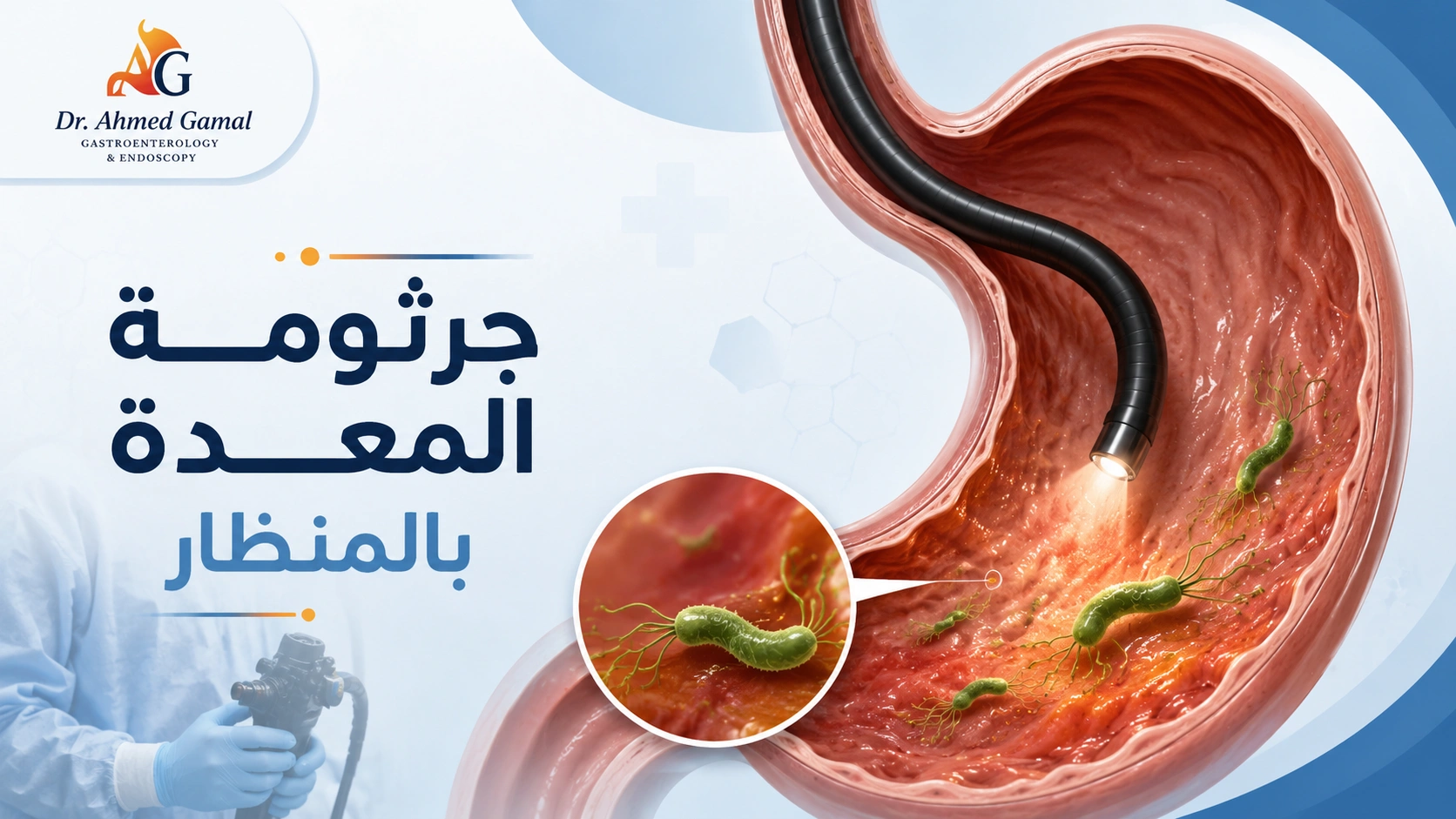
Upper endoscopy uses a flexible camera to examine the oesophagus, stomach and duodenum. It can identify inflammation, ulcers, narrowing, bleeding and other abnormalities, and it allows the doctor to take biopsies or perform treatment when indicated.
Call Dr Ahmed Gamal's clinic for assessment or send a WhatsApp booking enquiry if symptoms are persistent or accompanied by warning signs.
Difficulty swallowing
Food sticking, progressive difficulty swallowing, or pain on swallowing may require gastroscopy to look for inflammation, narrowing, a ring, movement-related clues, or another cause. Sudden inability to swallow food or saliva requires urgent medical care.
Vomiting blood or black stools
Vomiting fresh blood, coffee-ground-like material, or passing black tar-like stool can indicate upper gastrointestinal bleeding. Gastroscopy may identify and sometimes treat the source, such as an ulcer or bleeding vessel.
These are emergency warning signs. Do not wait for a routine clinic appointment if bleeding is significant, recurrent, or accompanied by dizziness, fainting, weakness, shortness of breath, or a rapid heartbeat.
Unexplained iron-deficiency anaemia
Slow bleeding from the upper digestive tract may cause iron-deficiency anaemia without visible blood. The doctor considers age, sex, medicines, diet, menstrual history, stool tests, and other investigations before deciding whether gastroscopy, colonoscopy, or both are needed.
Persistent or repeated vomiting
Vomiting that continues, recurs, or is accompanied by weight loss, dehydration, bleeding, or severe pain needs evaluation. Gastroscopy may help identify an ulcer, narrowing, obstruction, inflammation, or another upper digestive problem.
Unintentional weight loss
Weight loss without trying, especially with early fullness, difficulty swallowing, vomiting, anaemia, or persistent pain, should not be attributed automatically to stress or a simple stomach upset. The doctor may use gastroscopy as part of a broader investigation.
Speak with the clinic about warning symptoms or contact the team on WhatsApp.
Persistent upper-abdominal pain
Upper-abdominal pain can result from many causes, including functional dyspepsia, ulcers, medicines, gallbladder disease and pancreatic disease. Gastroscopy is considered when the pattern, duration, age, examination or warning signs make direct inspection useful.
Severe sudden pain, a rigid abdomen, fainting, or pain with significant bleeding requires urgent assessment rather than planned outpatient endoscopy.
Heartburn that does not improve
Most reflux symptoms are managed first with clinical assessment and appropriate treatment. Gastroscopy may be considered when symptoms persist despite treatment, when the diagnosis is unclear, or when there is difficulty swallowing, bleeding, anaemia, repeated vomiting or weight loss.
Persistent indigestion with alarm features
Indigestion includes upper-abdominal discomfort, burning, early fullness and post-meal heaviness. It does not automatically require endoscopy. Age, family history, medication use, H. pylori testing, treatment response and warning signs guide the decision.
Suspected peptic ulcer
An ulcer may cause burning upper-abdominal pain, nausea or bleeding, but symptoms alone cannot confirm it. Gastroscopy can inspect the lining and take biopsies, including samples for H. pylori when appropriate.
Read about symptoms of H. pylori infection and why testing matters.
Early fullness and loss of appetite
Feeling full after a small amount of food can occur with functional dyspepsia and other conditions. When it is persistent or combined with weight loss, vomiting, anaemia or pain, gastroscopy may be part of the evaluation.
Abnormal imaging or laboratory results
A scan or contrast study may show thickening, narrowing or another abnormality that requires direct inspection and biopsy. Laboratory abnormalities may also lead to endoscopy when they suggest bleeding, malabsorption or another digestive problem.
Follow-up of a known condition
Some patients need repeat gastroscopy to monitor a previously diagnosed condition, assess healing, review selected oesophageal changes, or follow a treatment plan. Repeat timing is based on the original findings and pathology result, not a fixed schedule for everyone.
When gastroscopy may not be the first test
Simple, short-lived symptoms without warning signs may be managed initially with examination, medication review, H. pylori testing, blood tests or another investigation. Gallbladder, liver and pancreatic problems are often assessed with imaging rather than gastroscopy.
Choosing the right test avoids unnecessary procedures and helps find the real cause sooner.
What happens during gastroscopy?
During gastroscopy, the patient lies on one side. Throat-numbing medicine and/or intravenous sedation may be used. The scope passes through the mouth into the upper digestive tract and sends images to a monitor. It does not block breathing.
The doctor may take biopsies, stop bleeding, dilate a narrowing, remove a foreign body, or perform another treatment through the scope.
How to prepare
- Follow the fasting instructions exactly.
- List all medicines, supplements and allergies.
- Ask specifically about blood thinners and diabetes medicines.
- Report heart or lung disease, sleep apnoea, pregnancy and previous sedation problems.
- Arrange an adult escort if sedation is planned.
- Bring previous reports, scans and laboratory results.
Do not stop prescribed medicine unless the treating team gives instructions.
Is gastroscopy painful?
Patients may feel throat pressure, gagging or bloating. Throat spray and sedation can improve comfort. Biopsies are usually not felt as cutting pain. Read Is Gastroscopy and Colonoscopy Painful? for more detail.
What happens after the procedure?
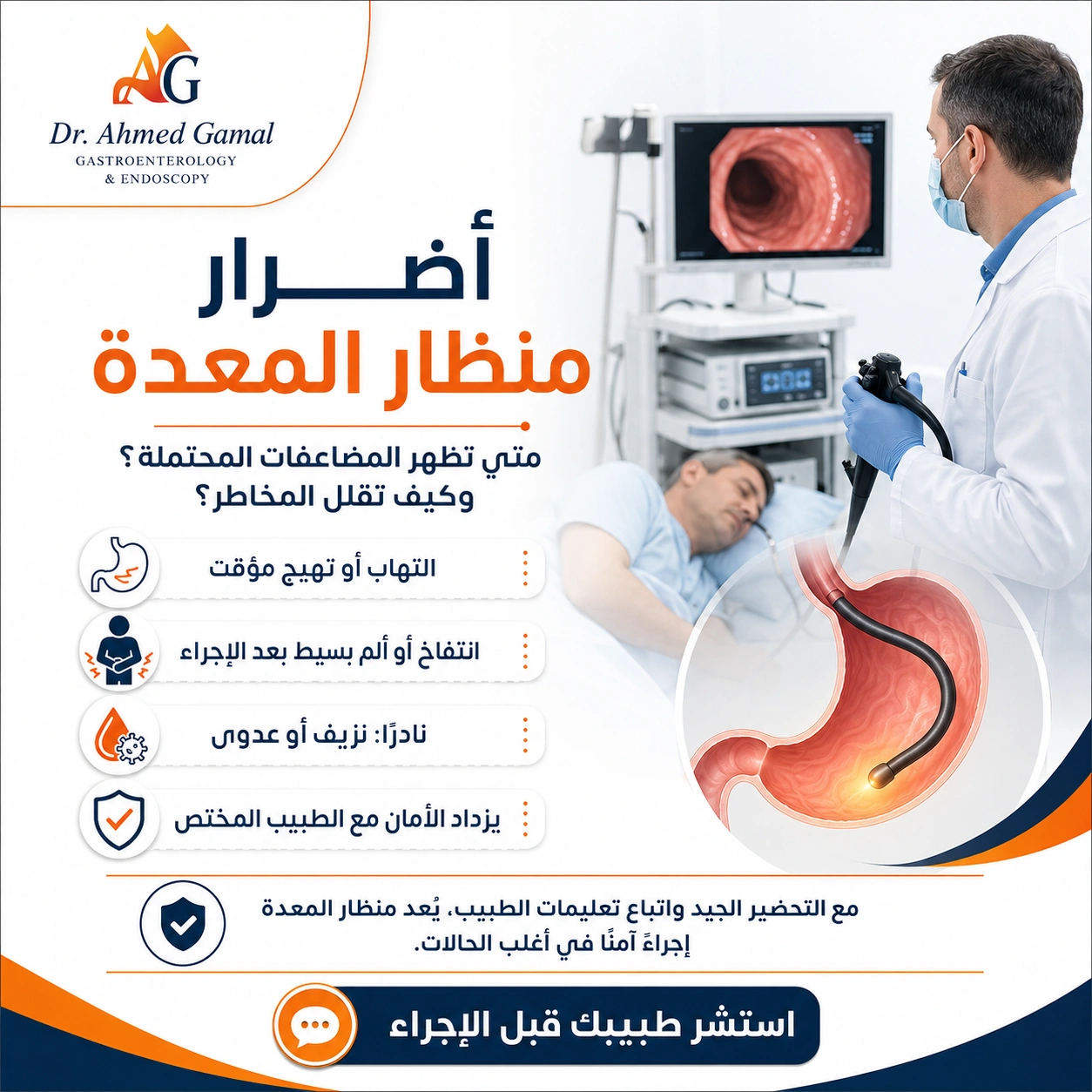
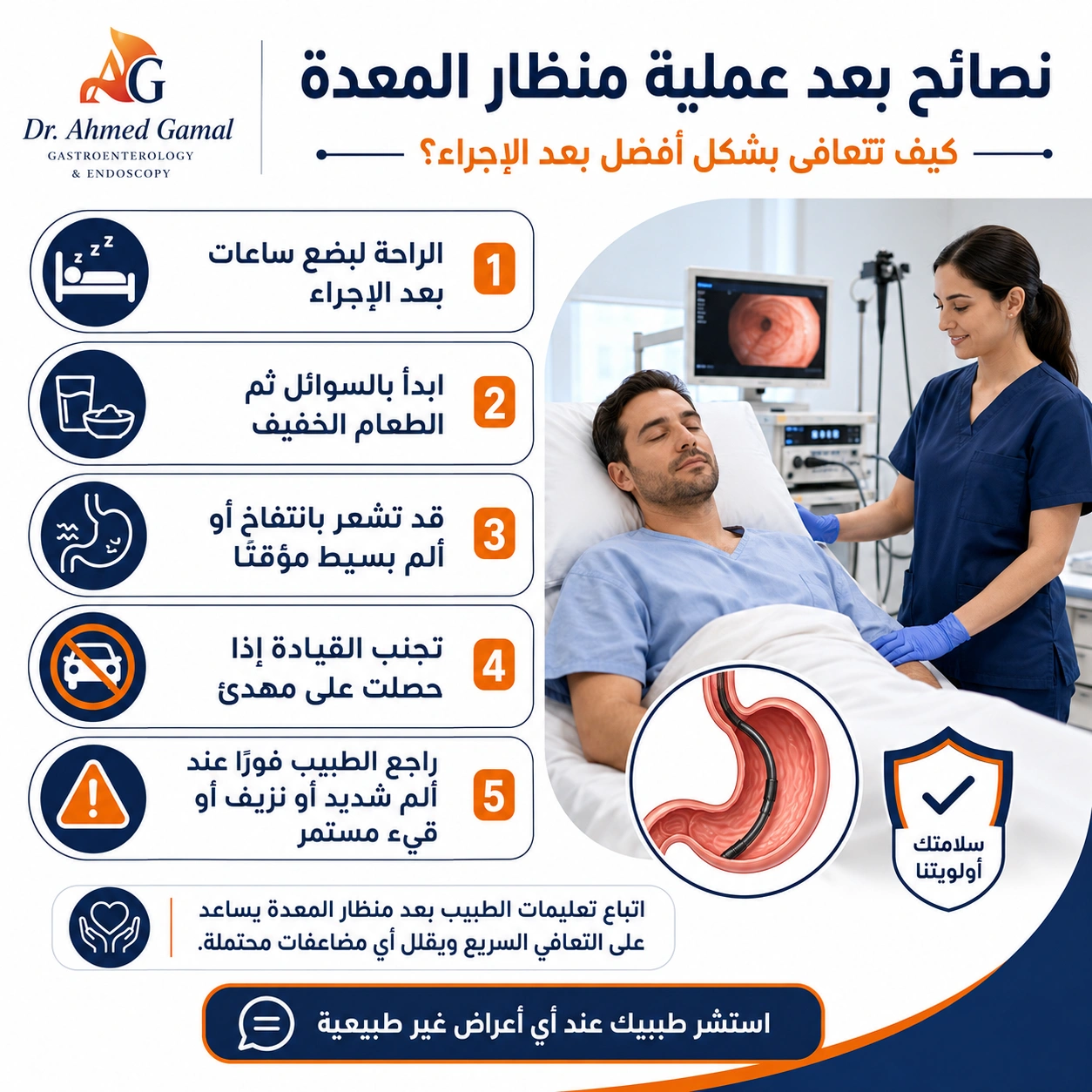
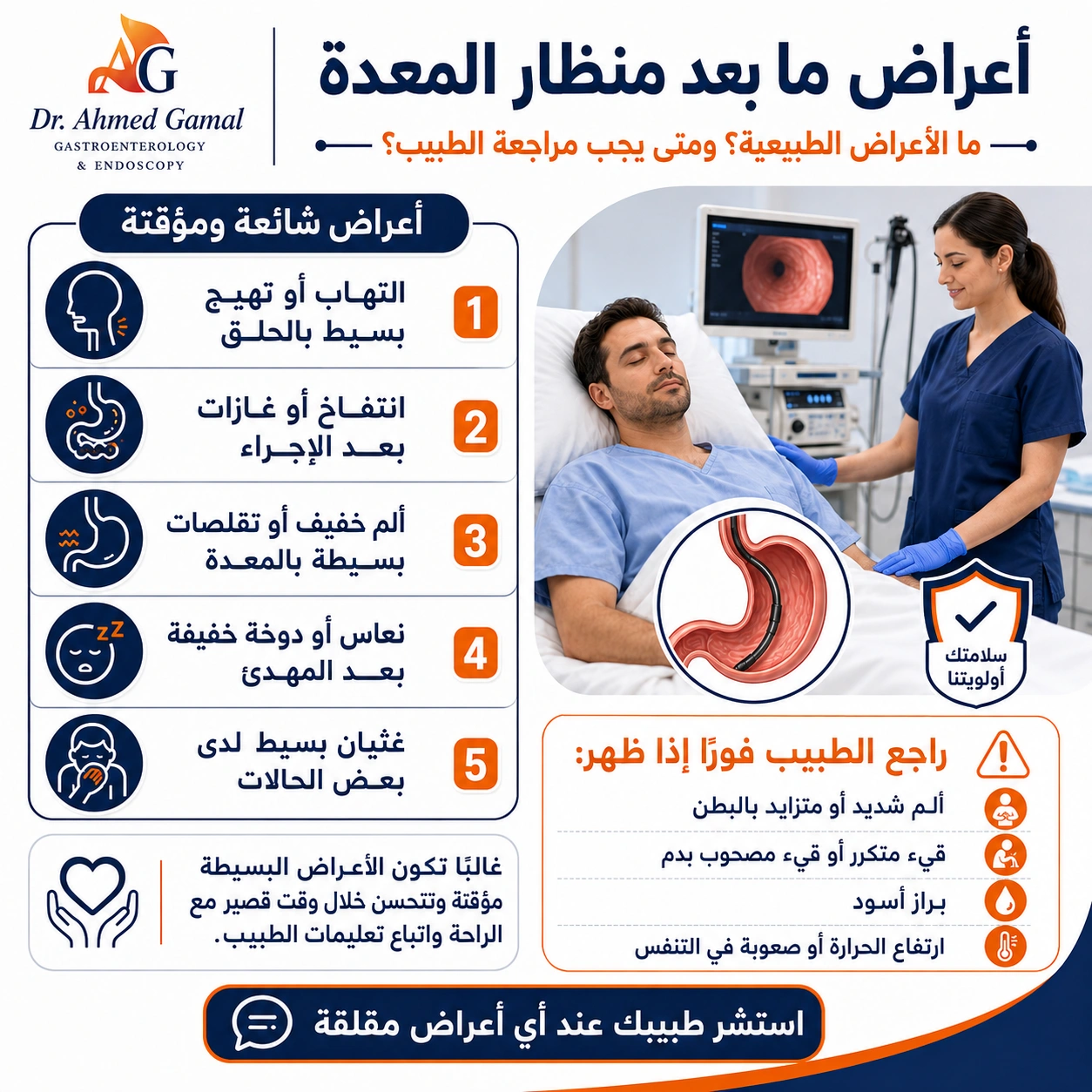
Mild sore throat, bloating, belching or nausea can occur temporarily. Sedative effects may last after you feel awake, so arrange an adult escort and follow restrictions on driving and important activities.
Review the aftercare guide for gastroscopy and colonoscopy.
When to seek urgent care after gastroscopy
- Difficulty breathing.
- Worsening difficulty swallowing or severe throat pain.
- Severe or increasing chest or abdominal pain.
- Vomiting blood or passing black stools.
- Fever, fainting or marked weakness.
How much does gastroscopy cost?
Cost depends on the facility, sedation, biopsy, pathology and whether treatment is performed. Review the guide to the price of a gastric endoscopy in Egypt and request a quotation that explains every included item.
Choosing a gastroenterologist
Consider experience with diagnostic and therapeutic endoscopy, the facility's infection control and monitoring, access to pathology, communication about results, and follow-up. Browse Dr Ahmed Gamal's gastroenterology and endoscopy services.
Frequently asked questions
Does every stomach pain need gastroscopy?
No. Many causes can be assessed first with history, examination, laboratory tests, H. pylori testing or imaging. Warning signs and the overall pattern guide the decision.
Is vomiting blood an emergency?
Yes. Vomiting blood or coffee-ground-like material requires urgent medical assessment, especially with dizziness, weakness or black stools.
Can gastroscopy diagnose H. pylori?
Biopsies taken during gastroscopy can test for H. pylori. Breath and stool tests can also detect active infection without endoscopy in suitable cases.
Can a normal gastroscopy rule out every digestive disease?
No. It examines the upper digestive lining and does not assess every abdominal organ or every functional disorder. Biopsy results may also add information not visible on the camera.
How long does gastroscopy take?
A straightforward diagnostic examination often takes around 10–20 minutes, but preparation, sedation and recovery make the total visit longer.
Can I drive after gastroscopy?
Not after sedation. Arrange an adult escort and follow the centre's discharge restrictions.
Call Dr Ahmed Gamal's clinic or book through WhatsApp for individual assessment.
Other Articles